How Godzilla’s Roar Reflects Modern Sound Design in the Music Industry

In music production and sound design, some of the most important work happens when audio stops being just sound and starts becoming identity. The evolution of Godzilla’s roar is a strong example of how layered, experimental sound design can turn raw material into something iconic, emotional, and instantly recognizable.
What stands out most is that the roar was never treated like a simple effect. It was approached more like a musical composition, shaped through texture, resonance, and instinct rather than traditional recording methods.
Across different eras of filmmaking, the sound has evolved alongside technology. But the goal has stayed consistent. Create something that feels massive, physical, and emotionally charged, even if the source materials are everyday objects.
From Instrument to Monster: The Musical Roots of the Roar
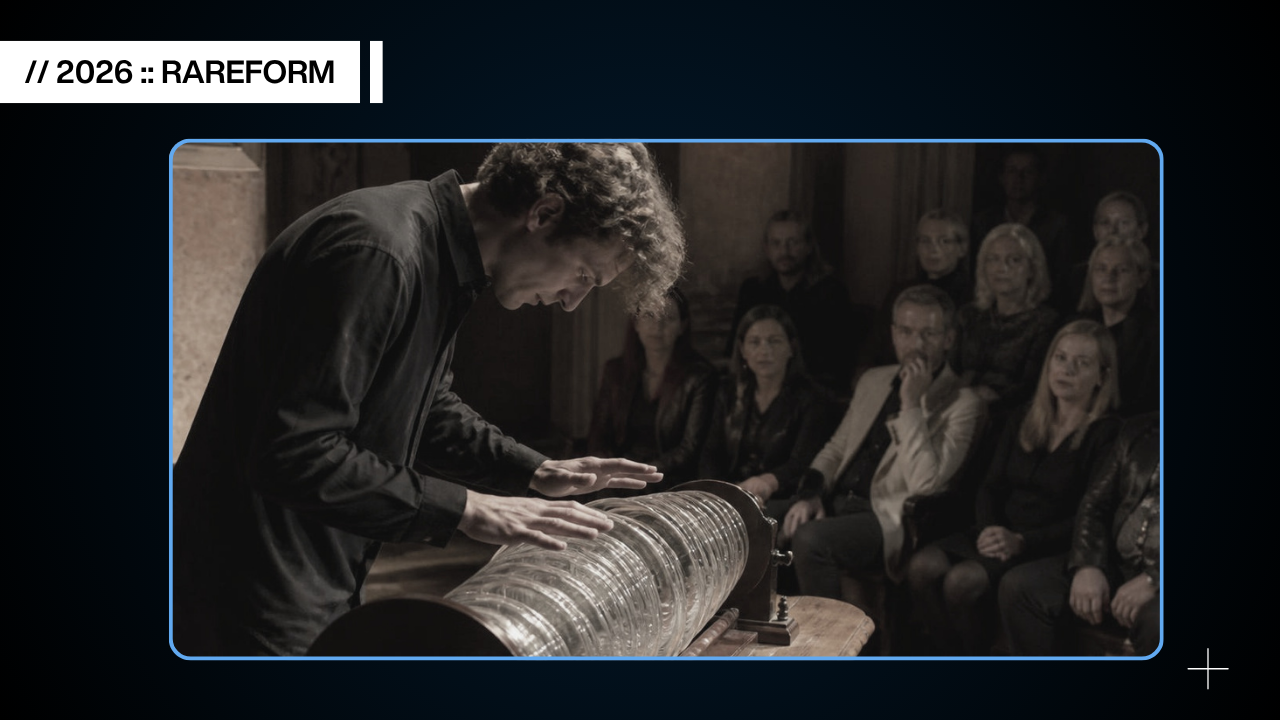
The original creation of Godzilla’s voice was rooted in musical experimentation rather than conventional sound recording. Instead of relying on animal noises or environmental sounds, early designers turned to instruments and performance techniques.
One of the most important breakthroughs came from using a double bass in an unconventional way, treating it less like a melodic instrument and more like a sound generator. By manipulating friction and resonance, the team created a harsh, unstable tone that became the foundation of the character’s voice.
This approach is important in the context of modern music production because it reflects a mindset that is still widely used today. Sound is not limited to its intended purpose. Any object can become a source of tone, rhythm, or atmosphere when approached creatively.
Sound as Texture: How Modern Design Expands the Palette
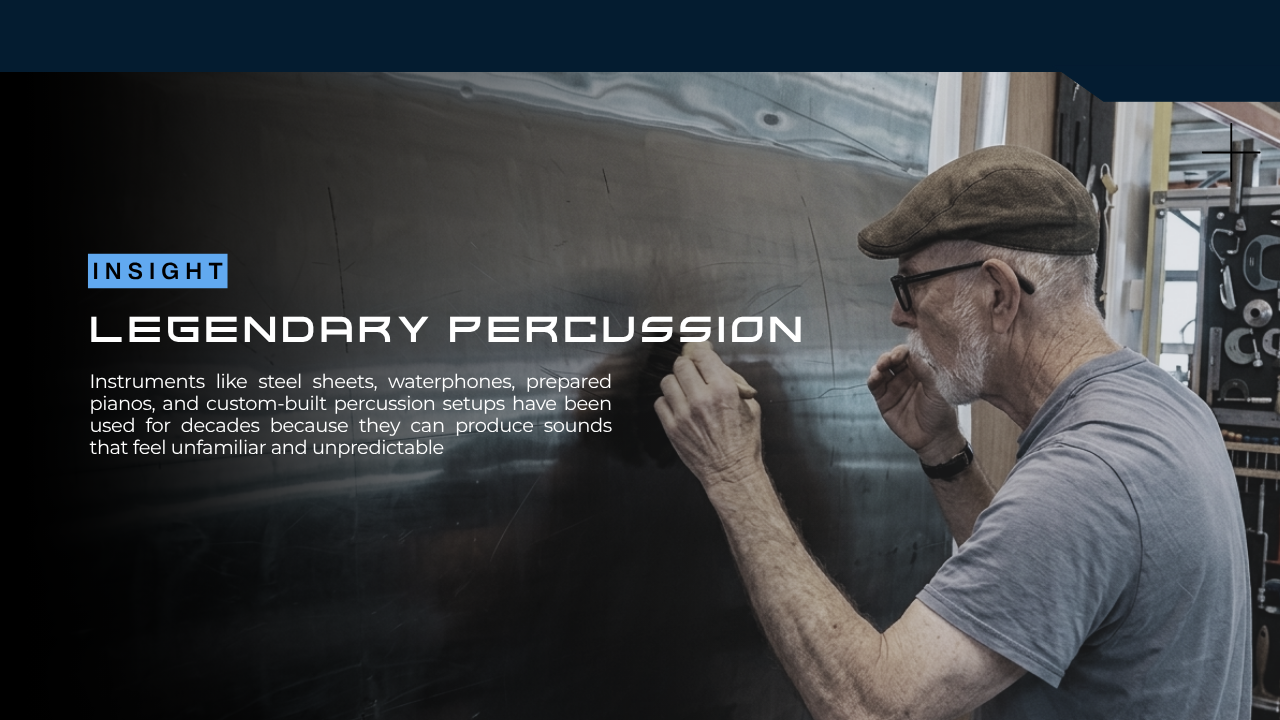
In more recent recreations of the roar, sound designers expanded the palette far beyond traditional instruments. The process involved collecting friction based sounds, mechanical noise, and heavily resonant recordings that could be reshaped in post production.
Rusty surfaces, drum heads, and metallic movement were used not for their literal sound, but for their texture. Once recorded, these elements were layered, pitched, and stretched to form a single unified identity.
This reflects a broader trend in the music industry today. Producers and sound designers are increasingly focused on texture over tone. Instead of building sounds that are clean or perfect, they are building sounds that feel physical, imperfect, and emotionally charged.
Beyond Hearing: Designing Subsonic Impact
A major part of modern sound design involves working with frequencies that sit outside normal hearing ranges. Low end information is often shaped in a way that is not just heard but felt physically.
By capturing and manipulating sub frequencies, designers create a sense of weight and scale that cannot be achieved through mid or high range audio alone. This is a key reason why cinematic sounds feel larger than life.
In music production, this same principle is used in bass design, cinematic scoring, and even electronic genres where physical impact is as important as melody or harmony.
Capturing Space: When Sound Interacts With the Real World
Another interesting part of large scale sound design is how it behaves in real environments. High powered playback and outdoor recording sessions introduce natural reflections, delays, and distortions that cannot be recreated in studio isolation.
When sound interacts with physical space, it gains unpredictability. Buildings, air movement, and distance all become part of the final result.
For music creators, this idea translates into reverb design, spatial mixing, and field recording techniques that bring a sense of place into a track rather than keeping everything artificially clean.
The Value of Mystery in Iconic Sound
One of the most overlooked aspects of sound design is the decision to keep certain methods undisclosed. When a signature sound becomes too easily decoded, part of its magic can disappear.
In both film and music, mystery plays a role in how audiences connect emotionally with sound. When listeners cannot immediately identify how something was made, they are more likely to experience it as a feeling rather than a formula.
This is part of what gives iconic sounds their longevity. They resist explanation and remain open to interpretation.
Conclusion: Sound Design as Modern Instrumentation
The evolution of Godzilla’s roar highlights a larger truth about the music industry today. Sound design is no longer just a technical process. It is a form of instrumentation in its own right.
Whether it is a cinematic creature, a music track, or a sonic logo, the most memorable audio often comes from experimentation, layering, and a willingness to rethink what sound can be.
In the end, iconic audio is not about finding the perfect source. It is about shaping imperfect materials into something that feels intentional, emotional, and alive.
Let’s Collaborate!
Need help building the tone for your production? Hit us up – the Rareform Audio team would love to help you create the perfect soundtrack that speaks to your audience and enhances the power of your visual storytelling to new heights!
++

++
Rareform Highlights


++
Join our Spotify Playlist and vibe with us! Featuring an array of tunes our team has been listening to.
++