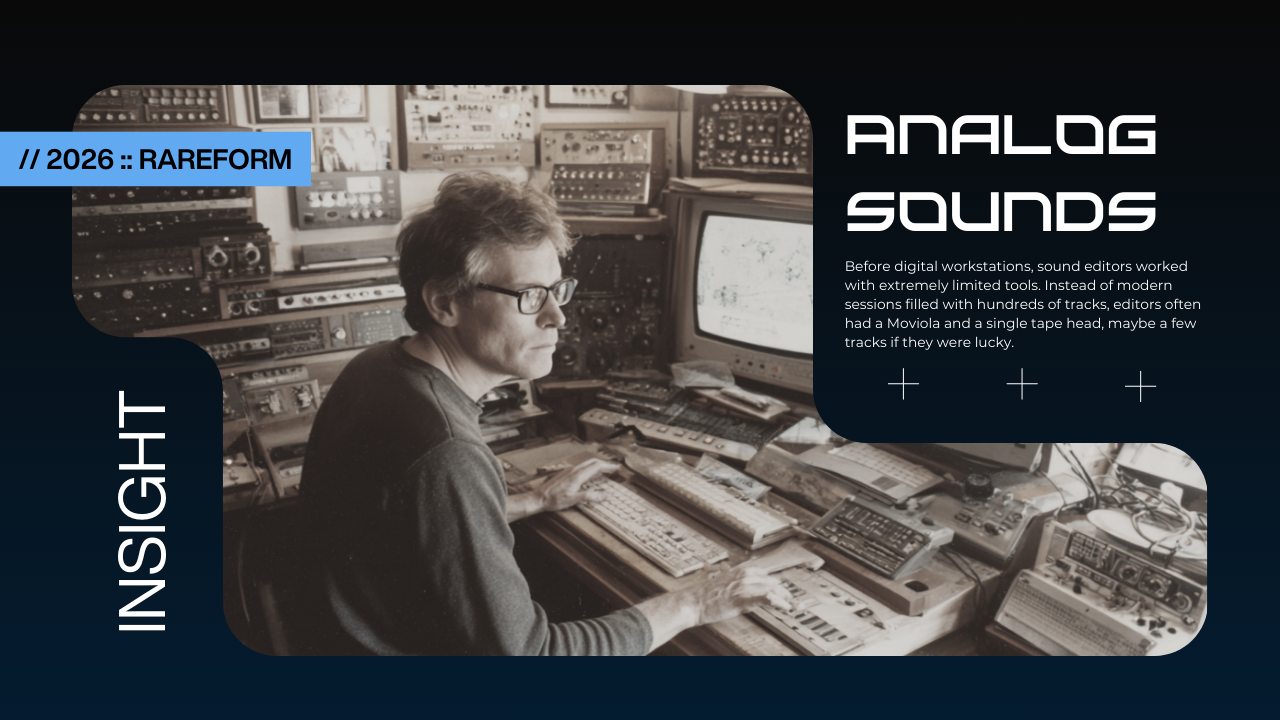
In a conversation with the legendary sound designer Gary Rydstrom, he reflected on what it was like to work in the analog era of film sound. His comments highlight a major shift in how sound is created today, but they also reveal something deeper about the creative instincts that shaped the craft long before modern tools existed.
For anyone working in music, sound design, or sync today, the story is a useful reminder that technology changes quickly, but the core creative mindset often stays the same.
The Analog Era: Building Sound Without Hearing the Whole Picture
Before digital workstations, sound editors worked with extremely limited tools. Instead of modern sessions filled with hundreds of tracks, editors often had a Moviola and a single tape head, maybe a few tracks if they were lucky.
Editors like Ken Fischerr, Teresa “Terry” Eckton, and Richard Hymns were assembling complex scenes without hearing the full mix in real time.
They could not simply stack layers and press play.
Instead, they rolled tape manually and tried to monitor a few sounds at once. If a sequence required six elements, they had to imagine how those elements would eventually combine, long before the final mix.
In other words, the mix largely existed in their heads.
When those scenes finally reached the mixing stage, the results often worked remarkably well. That ability came from experience and a highly developed internal sense of timing, texture, and sonic space.
Why Sound Editors Were Respected Like Cinematographers
Rydstrom compares these early editors to cinematographers from the film era. Directors of photography were respected because they could visualize how an image would look on film before anyone else could see it.
Sound editors had a similar skill.
They had to mentally assemble an entire scene without the immediate feedback that digital tools provide today. In a way, they were predicting the final result through instinct and experience rather than relying on a screen or waveform.
That level of imagination shaped the craft of sound design in ways that are difficult to replicate today.
The Digital Shift: From Guesswork to Instant Feedback
Modern tools like Pro Tools have changed the workflow dramatically.
Today, sound designers and composers can build sessions with hundreds of tracks, audition layers instantly, and hear everything in context. If something does not work, it can be adjusted within seconds.
This level of flexibility has opened the door to more experimentation and faster iteration. It has also lowered many technical barriers that once slowed the process.
But the tradeoff is that the need to fully imagine a soundscape before hearing it has largely disappeared.
Why This Still Matters for Modern Creators
While no one is likely returning to Moviolas and magnetic tape, the mindset behind that era still has value.
The ability to imagine how sounds interact before placing them in a session can lead to stronger creative decisions. It encourages creators to think about intention first, rather than relying entirely on trial and error.
In the world of sync, film scoring, and trailer sound design, that kind of foresight can still make a difference. When music, sound design, and picture all need to lock together quickly, having a clear idea of how elements should interact saves time and often leads to cleaner, more focused results.
The tools may have changed, but the creative instincts behind great sound work remain the same.
Sometimes the most useful lesson from the analog era is simply remembering that the best ideas do not come from the software first. They start in the imagination.
Let’s Collaborate!
Need help building the tone for your production? Hit us up – the Rareform Audio team would love to help you create the perfect soundtrack that speaks to your audience and enhances the power of your visual storytelling to new heights!
++

A weekly glimpse into the world of music & media with insider news, sync licensing opportunities, creative insight, and discussions.
++
Rareform Highlights
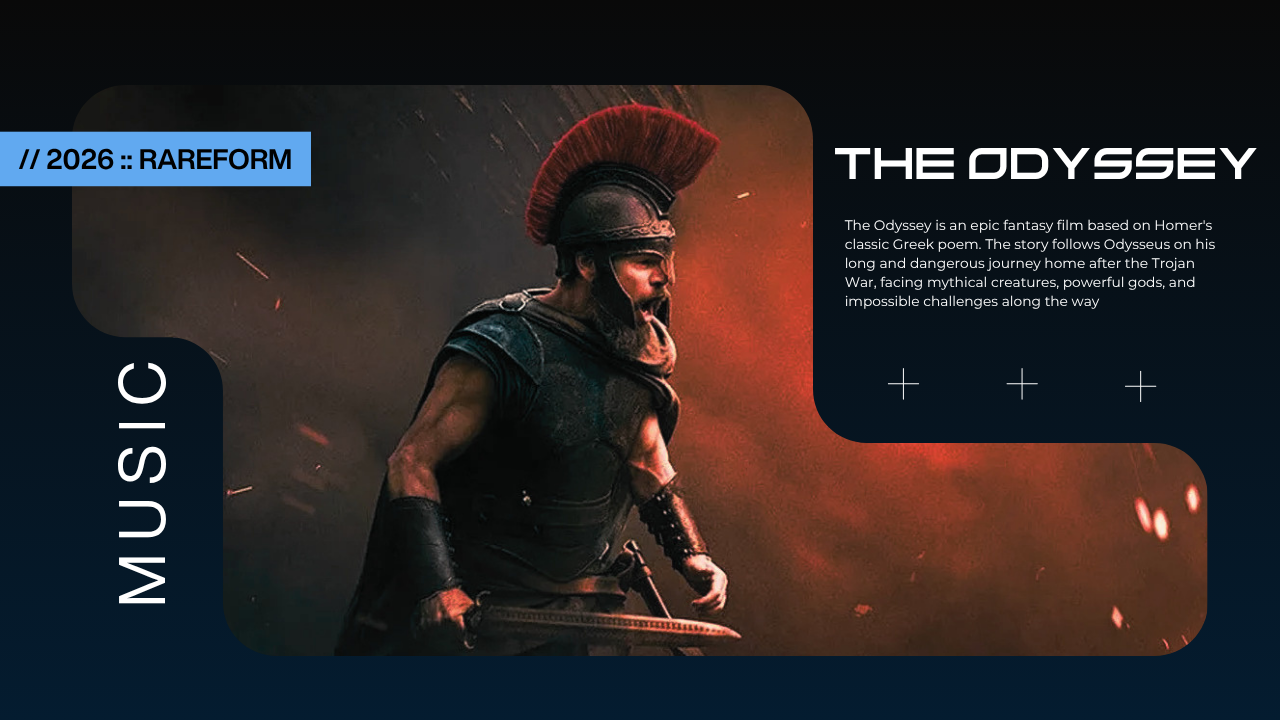
Black Sheep Music x Rareform Audio lands in the world of Christopher Nolan’s The Odyssey, with music featured in the film’s campaign.
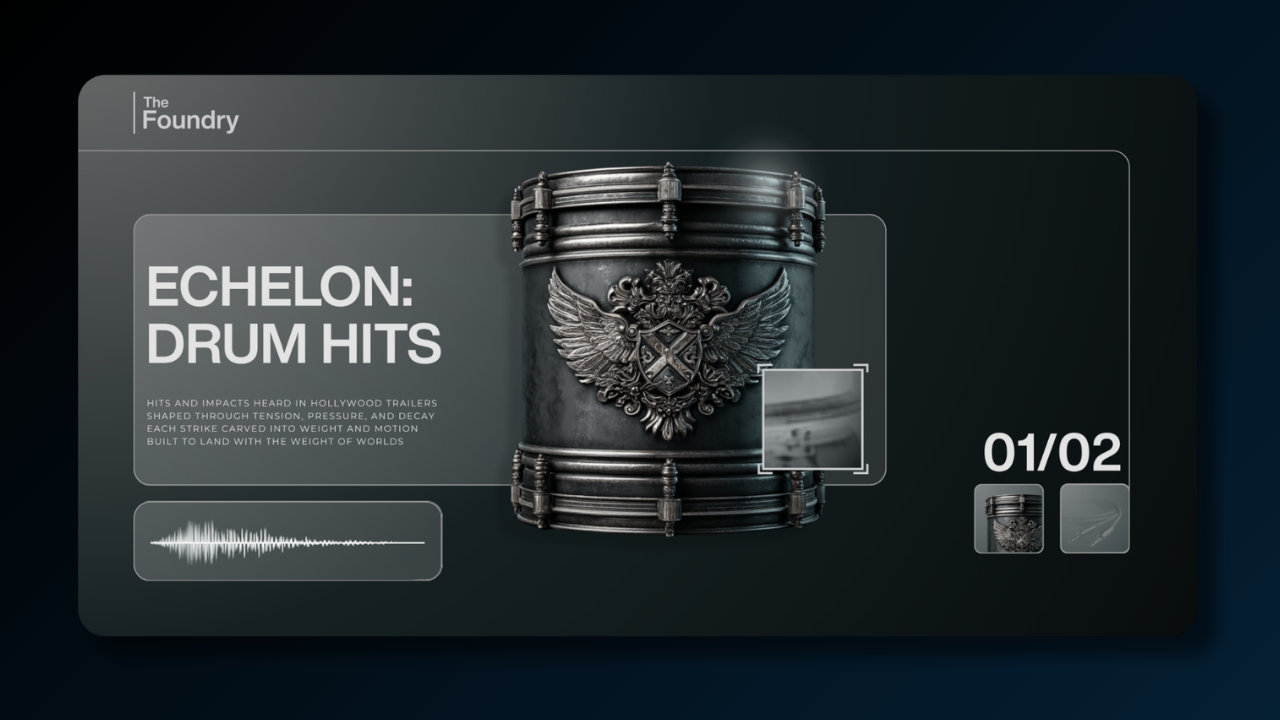
Tools and sounds built from our work in film, TV and trailers, now available for your own productions.

++
Join our Spotify Playlist and vibe with us! Featuring an array of tunes our team has been listening to.
++
A track can sound compelling on its own and still change a scene in the wrong way. Choosing well starts with understanding what the music makes the audience believe.

How do modern composers meet tight deadlines without sacrificing creativity? Explore practical approaches to music production, from efficient DAW workflows to creative decision-making for film, TV, trailers, and advertising.
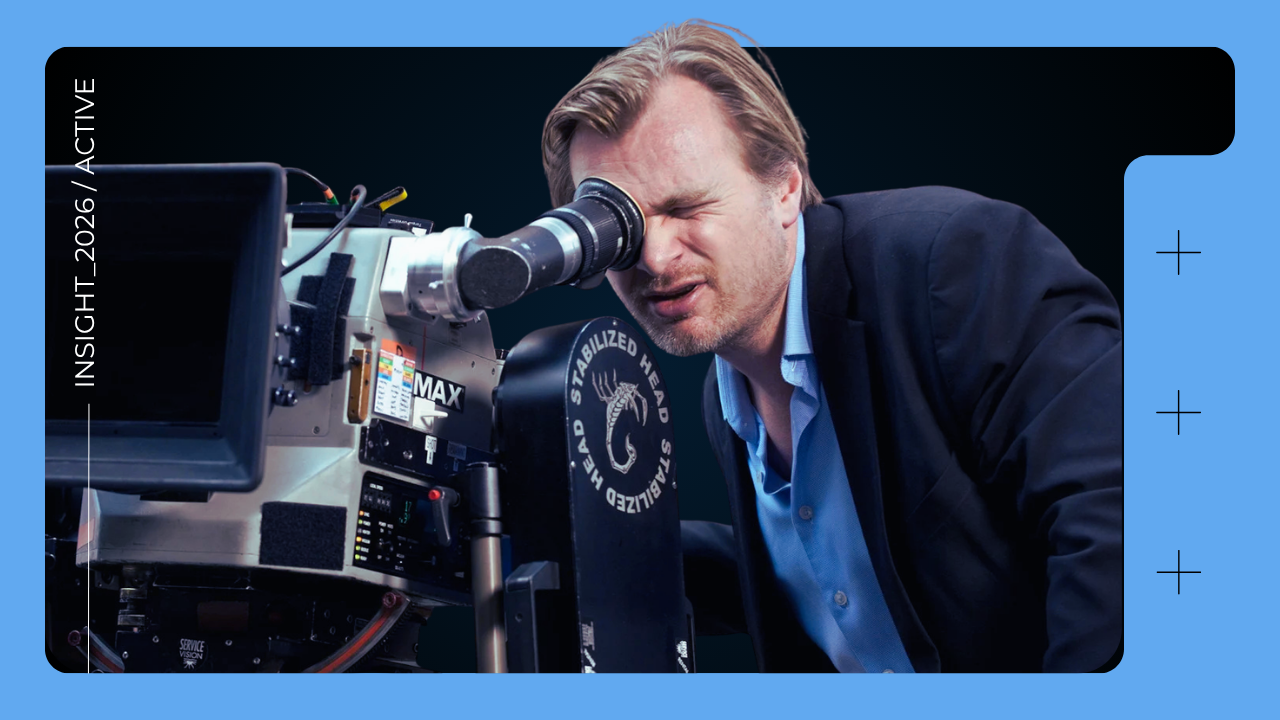
Christopher Nolan’s films show how practical effects and CGI can work together to support storytelling. From the rotating hallway in Inception to the real aircraft crash in Tenet, these scenes demonstrate how physical effects can make extraordinary moments feel more believable.
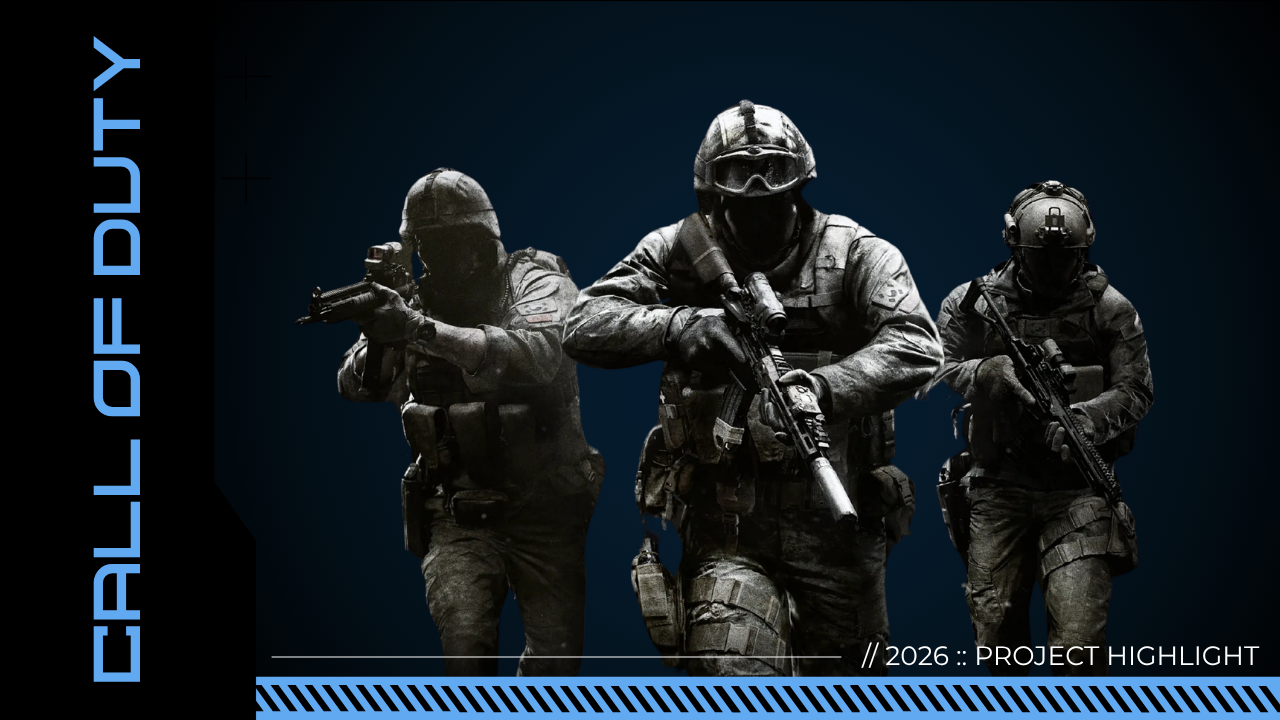
Rareform Audio provided music for the official PC trailer for Call of Duty: Modern Warfare 4, the latest chapter in Activision’s long-running franchise.
A new pilot study finds that music therapy may help reduce immediate cravings and influence emotional processing in people receiving treatment for drug and alcohol addiction. Researchers used EEG recordings and participant assessments to explore how active music-making may support addiction treatment.
Sound design and music are becoming harder to separate in modern movie trailers. From impacts and risers to distorted instruments and tuned sound effects, discover how these two disciplines now work together to shape the trailer experience.
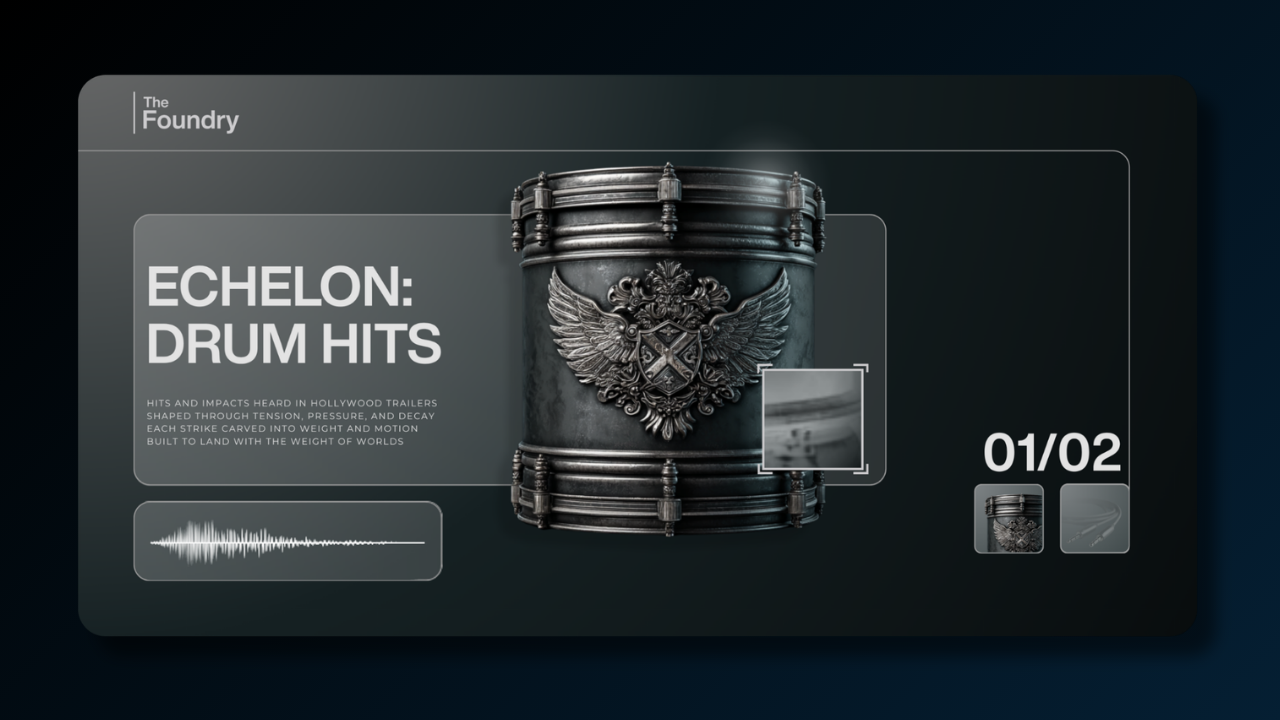
Meet Echelon: Drum Hits, a cinematic percussion instrument built from the hits we use in Hollywood Blockbuster Trailers.
A personal sound palette can help composers develop a more recognizable sonic identity. Learn how to curate sounds, resample your own material, organize your library, and build a palette that supports your creative process.

Nathan Fields’ cover of “Seven Nation Army” was featured in an ESPN College Football spot on Disney+.
From silent-film trap drummers to massive hybrid trailer impacts, the cinematic drum hit has evolved alongside the technology used to create it. Here’s a look at how percussion became one of the most recognizable sounds in modern trailer production.

Why do some sounds feel cinematic while others feel sterile? Small imperfections can add physical detail, texture, and realism to music and sound design. Here’s how controlled imperfection can make audio feel more connected to the world on screen.

SOCAN is suing AI music company Suno in Canada, alleging the platform copied copyrighted songs without permission or compensation. The case adds to a growing number of legal challenges surrounding AI music, copyright and the use of protected works in AI training.

Sony Music has sued Kroger over at least 392 alleged unauthorized uses of its recordings in social media advertising. Here’s what the lawsuit says about music licensing, influencer content, expired licenses, and the $58.8 million figure circulating online.

Rareform Audio x Black Sheep Music’s track “Pitch Black,” composed by Cade Phillips and Nathan Fields, was featured in the official trailer for “Beware Boiúna.”

Hyped to share that our sound design elements were featured in the campaign for Masters of the Universe!
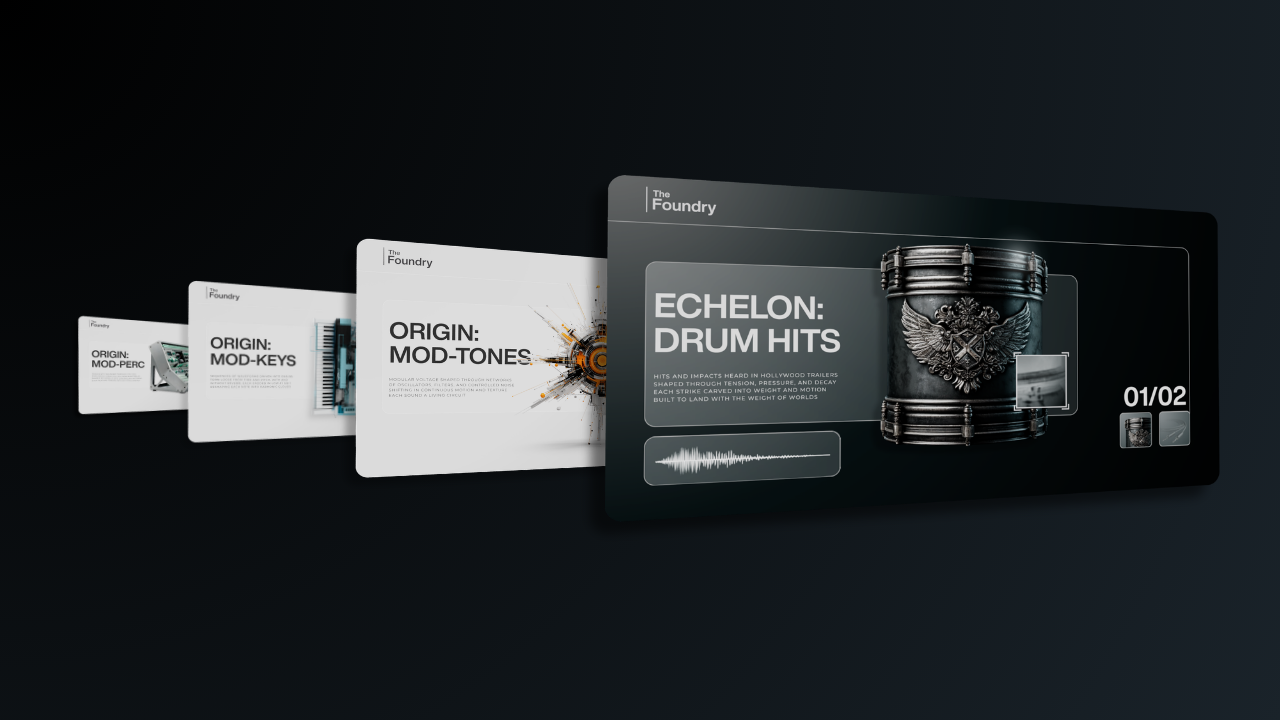
Introducing The Foundry by Rareform Audio, our new line of professional instruments, sounds, and production tools for film composers and record producers. Built from the same sounds, techniques, and real-world experience behind our work across film, trailers, television, video games, and records.

New research from Hong Kong Baptist University suggests that adding 60 to 90 minutes of sleep each night may improve key musical skills, including rhythmic stability, sightreading, and musical memory.

Major record companies are calling for global music charts to establish clearer rules for AI-generated music, with proposed standards centered on human creativity, authorization and legitimate streaming activity.
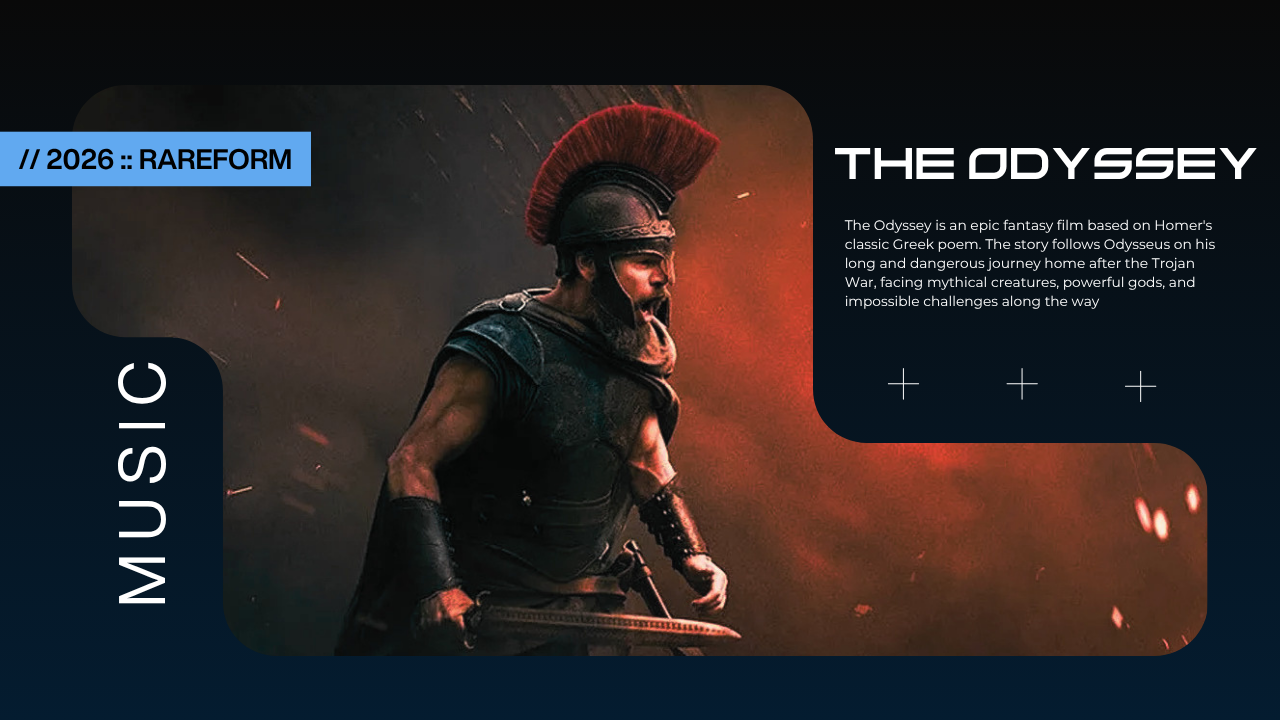
We are hyped to share that our track Ironwake by Trey Anderson and Nathan Fields was featured in the campaign for The Odyssey. Here's a quick look at the upcoming Christopher Nolan film and the legendary story that inspired it.

Lollapalooza 2026 is underway with sold-out crowds, a diverse lineup, and a renewed focus on artist discovery. As one of the world's biggest music festivals, the event continues to highlight how live performances help emerging artists reach new audiences while reinforcing the lasting impact of established acts.
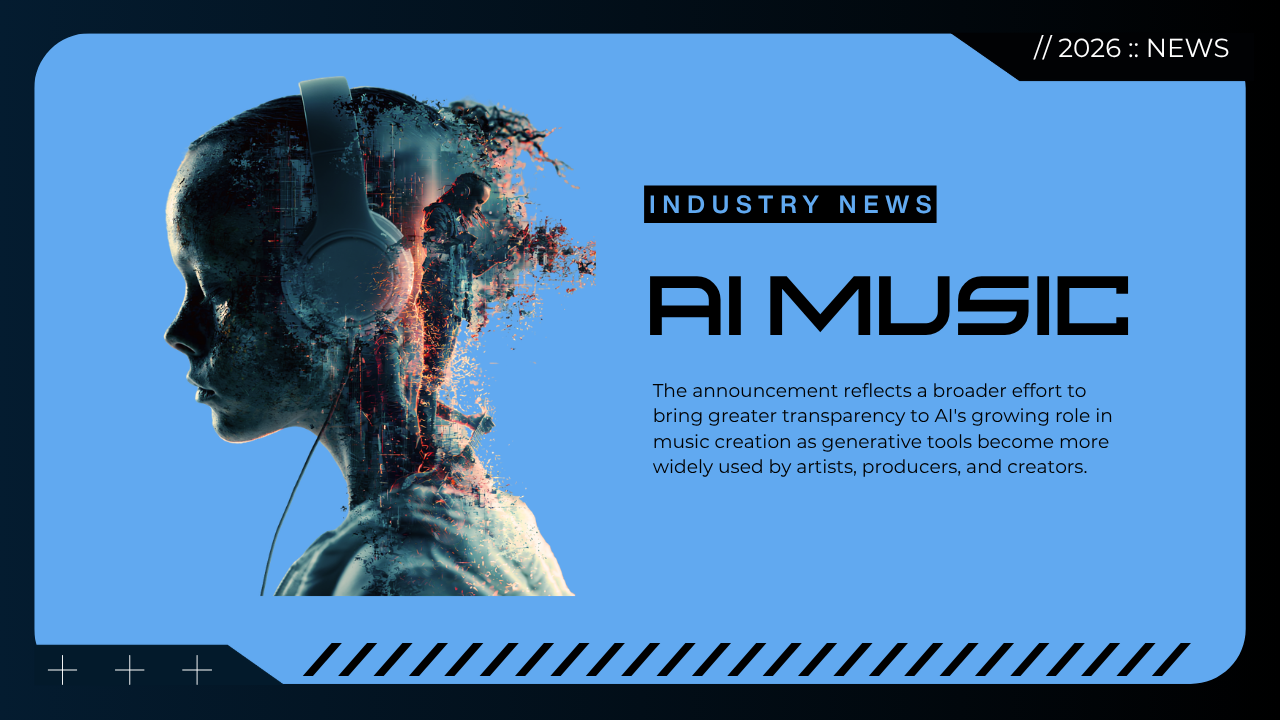
The recorded music industry has introduced a proposal for standardized AI labels on streaming platforms. As AI-generated music continues to grow, the framework aims to improve transparency by distinguishing between fully AI-generated and AI-assisted recordings while raising new questions about implementation and industry-wide adoption.

The 2026 FIFA World Cup is expanding the role of music with its first-ever halftime show, a global soundtrack strategy, and a partnership with the Recording Academy. As music becomes a bigger part of the tournament's identity, the event highlights the growing connection between the music industry and major international sports.

Our remix of KRS-One's Step Into A World, created by Haukur Karlsson and Nathan Fields, is featured in Trailer 2 for Mutiny. Take a look at the project and learn more about the upcoming action thriller starring Jason Statham.
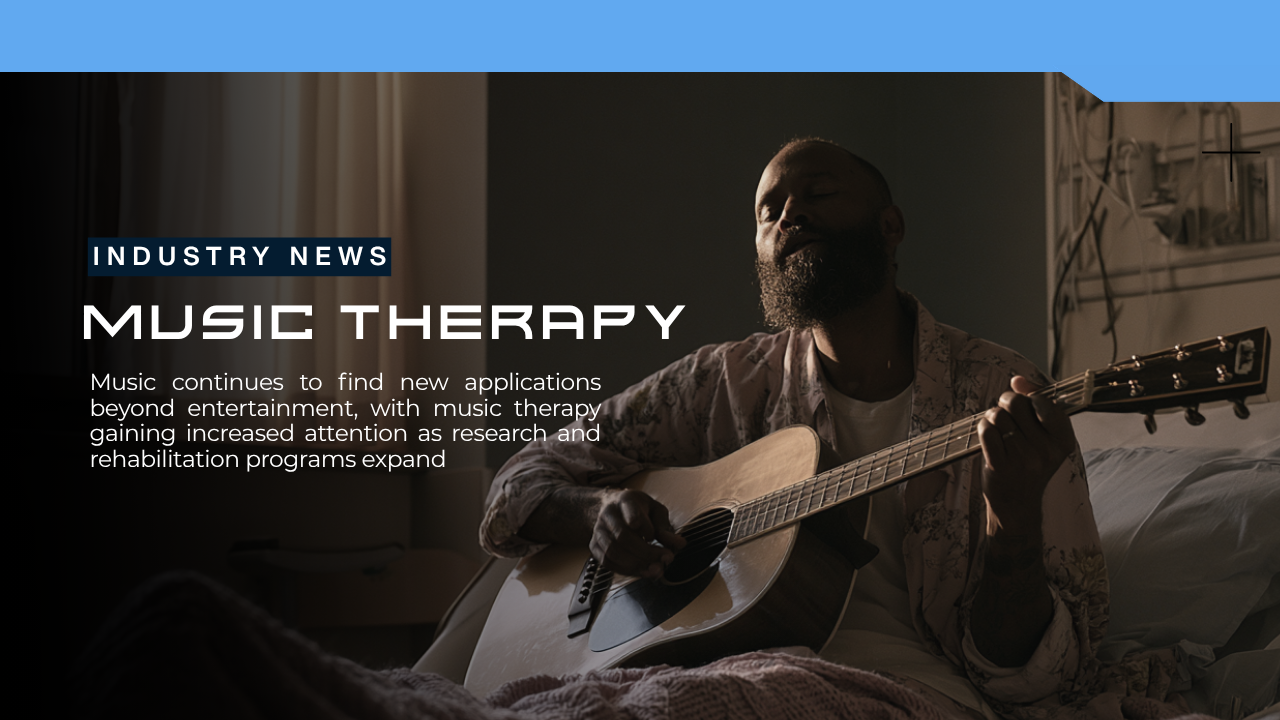
Music therapy continues to gain recognition as research highlights its role in neurological rehabilitation. New clinical programs and emerging technology are expanding how music supports recovery, reinforcing its growing impact beyond the entertainment industry.

John Denver's "Take Me Home, Country Roads" has become the unofficial anthem of the U.S. men's national soccer team during the FIFA Club World Cup. Here's how the 1971 classic found new life and why legacy songs continue to resonate with audiences around the world.
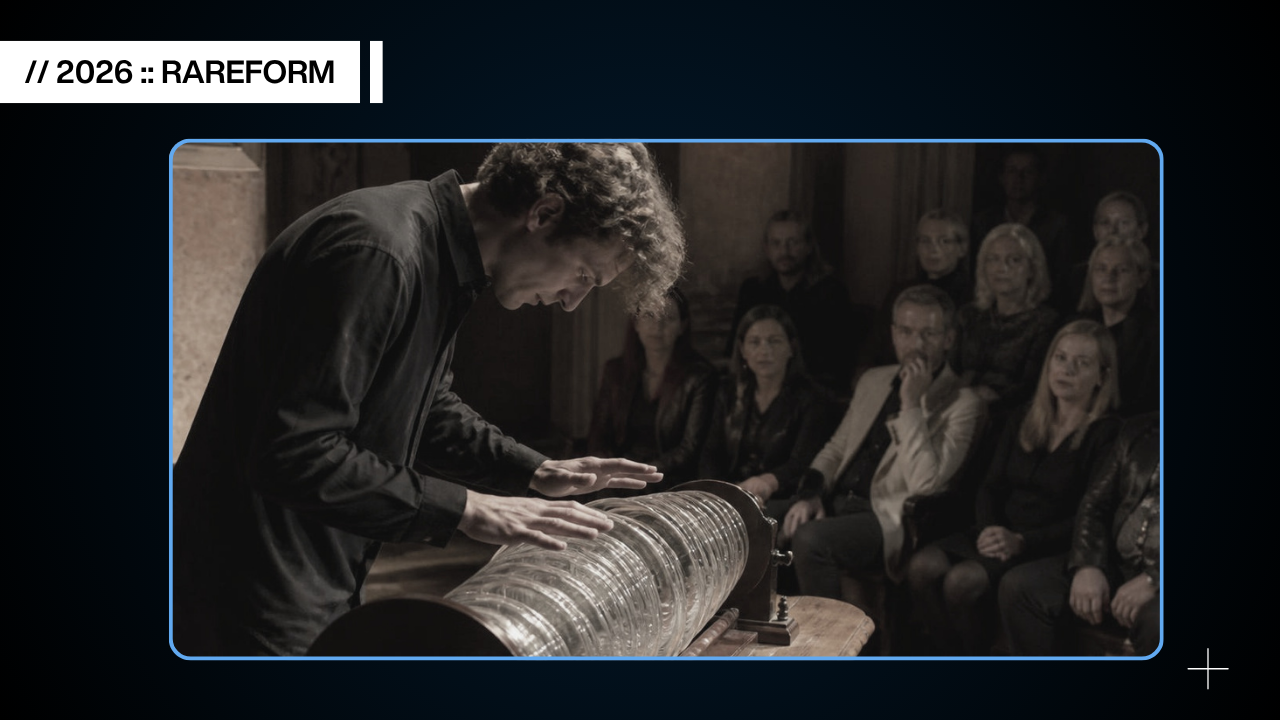
Benjamin Franklin's glass armonica earned a reputation as one of history's most mysterious musical instruments. From inspiring classical composers to fueling myths about its effects on the mind, its story reveals how unique sounds continue to shape music, perception, and creativity.

Hyped to share that our tracks “Bomb Squad” by Darby Phillips and Nathan Fields, along with “Ambush” by Nathan Fields, were featured in campaigns for Call of Duty: Black Ops 7. From Warzone to the Season 03 Multiplayer Maps campaign, both spots delivered the fast paced energy the franchise is known for.

AI-generated music is filling streaming platforms faster than ever, but new research suggests listeners aren't embracing it. A University of Chicago study found that while AI tracks now make up a significant share of new uploads, the vast majority receive little to no engagement. Here's what the data reveals about music discovery, streaming, and the future of AI in the music industry.

The proposed No Fakes Act has moved one step closer to becoming US law after unanimously passing the Senate Judiciary Committee. As AI-generated voices and digital replicas become more common, the legislation highlights the growing conversation around creator protection, consent, and the future of AI in music.

Warner Music Group is expanding its AI strategy with a new acquisition focused on attribution, transparency, and rights management. As AI-generated music and content continue to grow, the move highlights the increasing importance of tracking how creative works are used in AI training and generation across the music industry.