

Why Imperfection Makes a Sound Feel More Cinematic
Why do some sounds feel cinematic while others feel sterile? Small imperfections can add physical detail, texture, and realism to music and sound design. Here’s how controlled imperfection can make audio feel more connected to the world on screen.
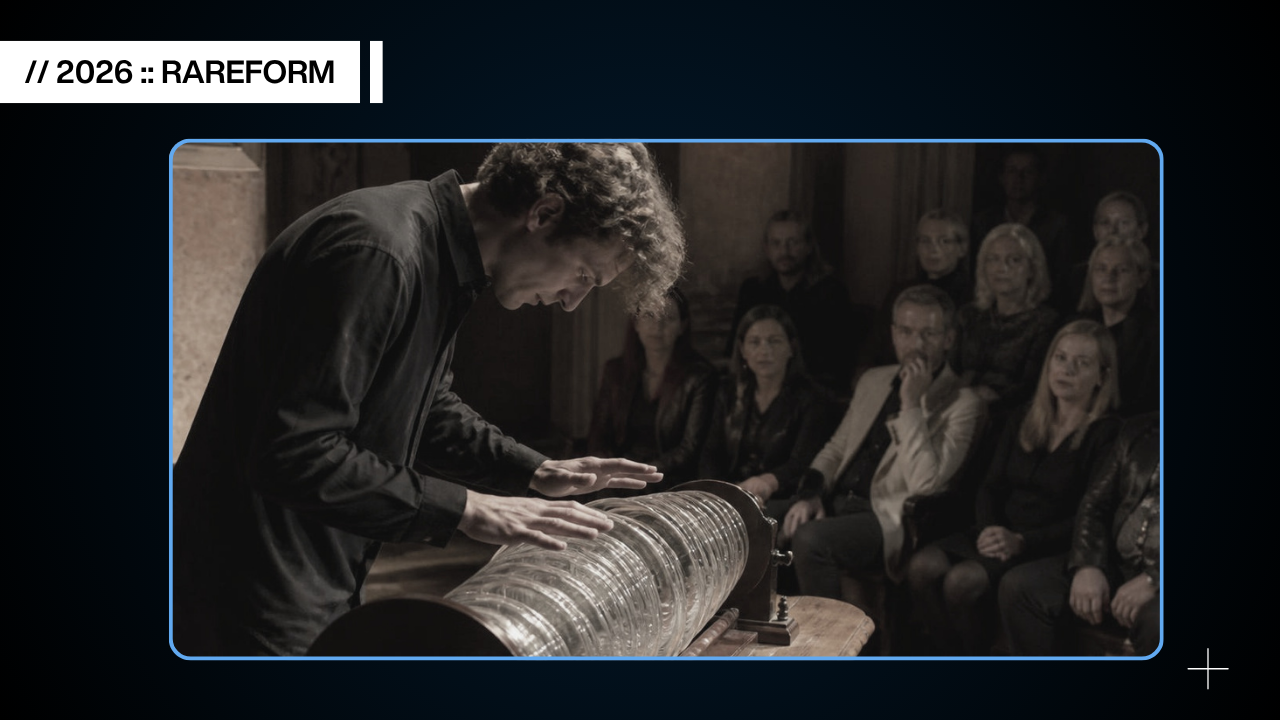
The Glass Armonica: The Science Behind Music's Most Mysterious Instrument
Benjamin Franklin's glass armonica earned a reputation as one of history's most mysterious musical instruments. From inspiring classical composers to fueling myths about its effects on the mind, its story reveals how unique sounds continue to shape music, perception, and creativity.

Steve Forman's Legendary Steel Sheet: What It Teaches Us About Sound Design in Modern Music Production
A simple sheet of metal may not seem like a groundbreaking production tool, but Steve Forman's legendary steel sheet helped shape the sound of countless film scores. This article explores how unconventional instruments like the steel sheet continue to influence modern music production, sound design, and cinematic storytelling.
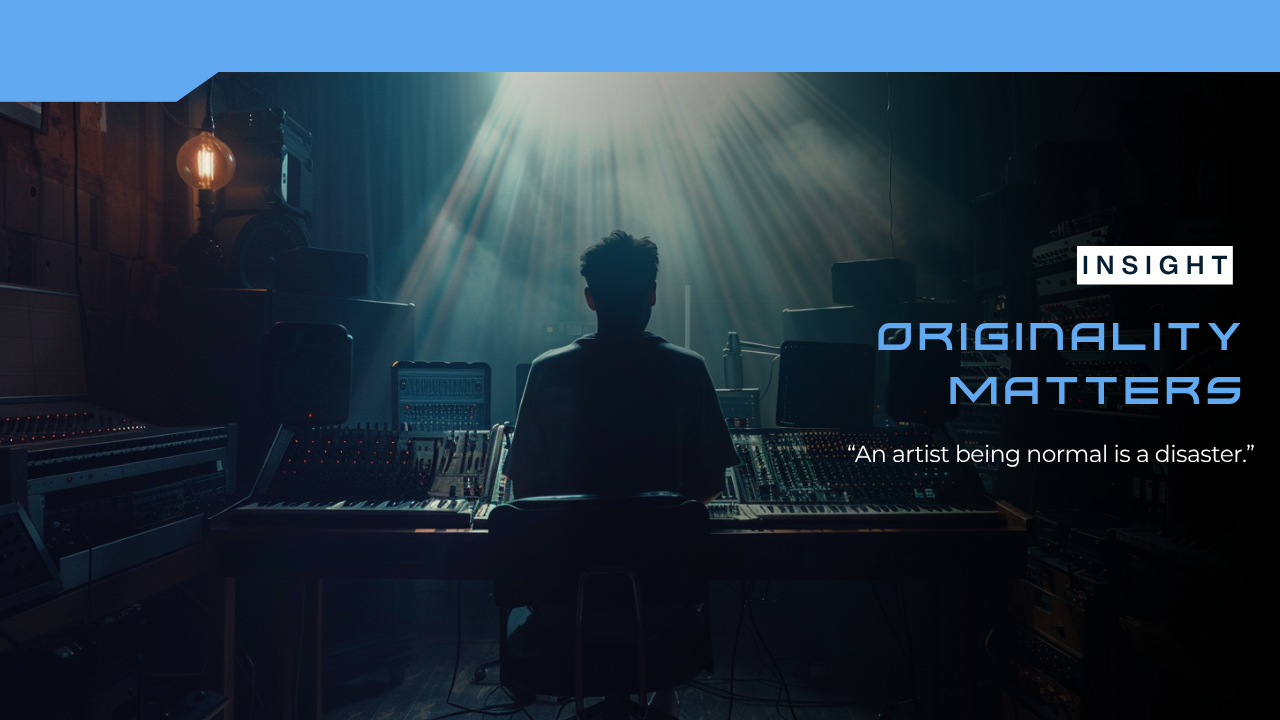
Why Sounding Different Still Matters in Modern Music
In a music industry shaped by trends, algorithms, and endless content, standing out has never been harder. This insight explores why originality still matters, how chasing familiarity can dilute creative identity, and why the artists who last are often the ones willing to sound different.

The Shift That Changed Everything: How Recording Technology Reshaped Music Production
A 1986 documentary from RAI captured the music industry at a pivotal turning point, just before digital production transformed everything. From reel-to-reel machines and analogue oscillators to the first computer-based systems, it documents the technological shift that redefined how music is created, recorded, and shared.

How Godzilla’s Roar Reflects Modern Sound Design in the Music Industry
A look into how Godzilla’s roar reflects modern sound design, where music industry techniques, texture-based production, and experimental audio shaping turn simple recordings into iconic sonic identities.

The Mega Marvin: Why Unpredictability Is Becoming a Core Tool in Modern Horror Scoring
The Mega Marvin is redefining how horror is scored, shifting the focus from melody to texture. Built to create unpredictable, unsettling sounds, it highlights a growing trend in film and game audio where sound design and music are becoming one and the same.

Making Sound Visible: What the Rubens’ Tube Still Teaches Us About Audio
Fire can actually reveal what sound looks like. The Rubens’ Tube, a classic physics experiment, turns audio into visible flame patterns, showing how pressure and frequency shape the way we hear and feel sound. It’s a simple concept with a direct connection to how we work with music every day.
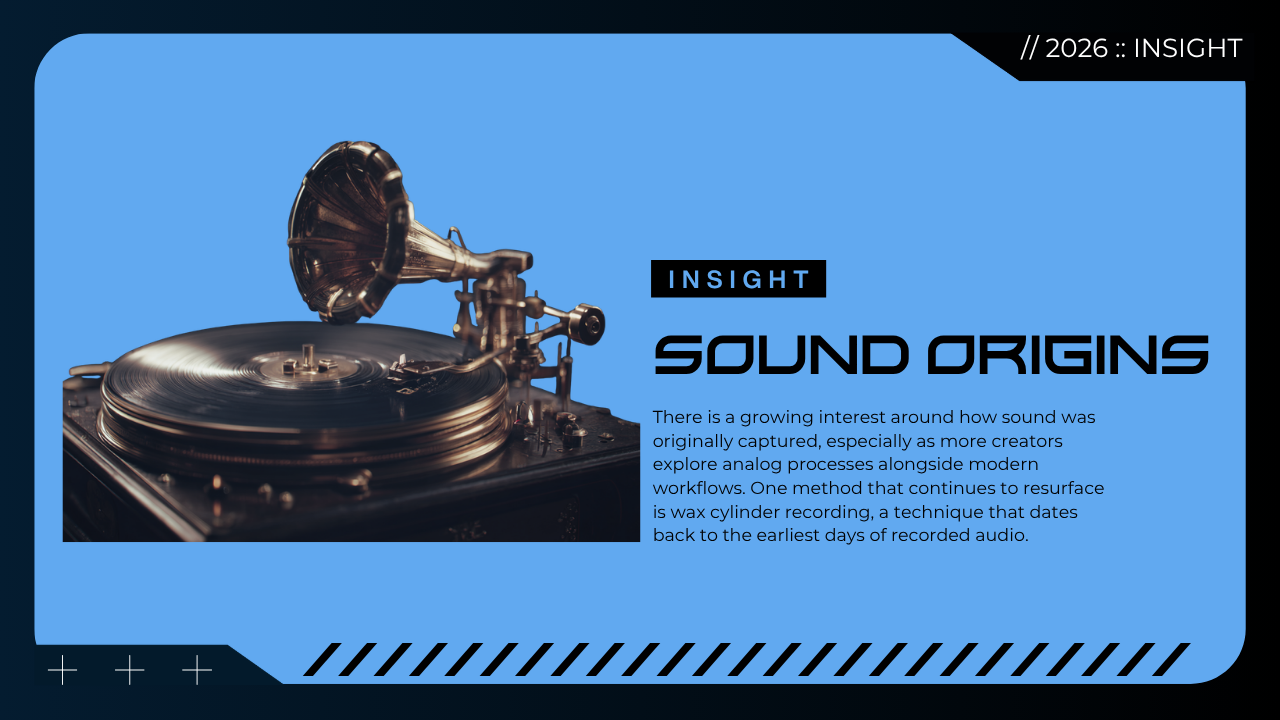
Wax Cylinder Recording: Revisiting the Origins of Physical Sound
A 1905 Edison phonograph recording a modern hip-hop track onto a wax cylinder offers a rare look at how sound was once captured as a physical event. No digital tools, no edits, just mechanics translating vibration into a permanent groove.
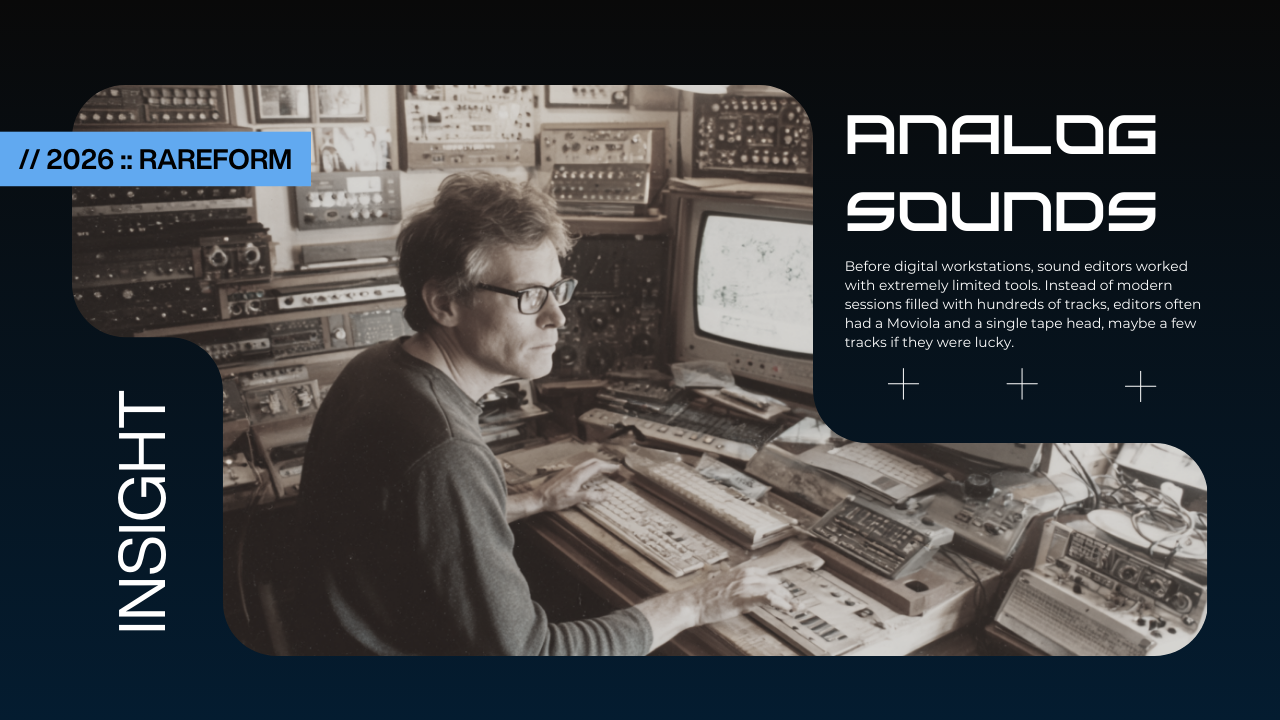
Analog Sound Design: What Gary Rydstrom’s Early Days Reveal About Creative Instinct
Sound designer Gary Rydstrom recently reflected on the analog era of film sound, when editors had to imagine how layers would work together long before the final mix. His perspective highlights how early sound editors relied on instinct and experience, and why that mindset still matters in today’s digital workflows.

Marathon Video Game Music: How Composer Ryan Lott Built the Sonic Identity of Bungie’s New World
Composer Ryan Lott shares how the music of Marathon was built around the world of Tau Ceti. From prepared piano textures to transformed human vocals and expressive digital instruments, the score blends organic and futuristic sounds to reflect the game’s mysterious environment.

From Barcodes to Beats: The Unexpected Origin of Sound
What if the next great instrument is already sitting in a storage room? From barcode scanners to CRT televisions, obsolete electronics are being transformed into live sound systems, revealing how raw signal and human movement can reshape the way we think about music creation.

Musicians and Selective Attention: Brain Imaging in a Noisy World
New research from MIT’s McGovern Institute shows that musical training sharpens the brain’s ability to focus. Using advanced brain imaging, researchers found that musicians are better at filtering out distractions and locking in on specific sounds, highlighting how experience shapes attention at a neural level.

How to Find Your Creative Flow: The Science of Music Inspiration
Creative flow is not just a lucky spark. It is a mix of neuroscience, environment, practice, and curiosity. Here is how musicians and sound designers can create the right conditions to tap into inspiration more consistently.

Listening Beyond Human Hearing: Lessons From Ultrasonic Plant Signals
New research shows that moths can hear ultrasonic sounds emitted by stressed plants and use that information to guide their behavior. While humans cannot hear these frequencies, the discovery expands how we think about sound, listening, and the role audio plays beyond music and human perception.

Fungal Electrical Signals Are Being Translated Into Real-Time Music
Scientists are translating fungal bioelectrical signals into real-time music, turning living mycelial networks into responsive sound sources and revealing new ways biology and music intersect.

Ben Burtt Explains the Surprising Origins of Cinema’s Silencer
Ben Burtt uncovers the surprising origins of Hollywood’s iconic silencer sound, tracing it from 1930s studio ricochets to the cinematic “quiet” gunshots audiences recognize today.

How to Make Your Mixes Clear and Punchy Without Overthinking
A strong mix isn’t just about levels and effects—it’s about clarity, space, and balance. When every element has room to breathe, the track holds up across any system. Small adjustments can make a big difference, and sometimes, less is more. The key is knowing what to enhance, what to pull back, and how to create a mix that translates everywhere.

Album Art’s Role in Music Discovery: Why Visuals Still Matter in the Streaming Era
Album art has always shaped the way we experience music. From bold vinyl sleeves to digital thumbnails, visuals continue to influence discovery and connection in the streaming era. Here’s why strong design still matters—and how it supports music discovery today.

Why Blending Organic and Synthetic Sounds Creates Powerful Music
Blending organic and synthetic sounds is one of the most powerful ways to build tension and emotion in music. From film scores to trailers like Tales of the Underworld, the contrast between warmth and unease creates soundscapes that feel both grounded and otherworldly.