Shared Music Listening: New Research Shows How Music Syncs the Brain

Music has always been about more than just sound.
Whether it is a packed arena singing every lyric in unison, two friends trading favorite tracks, or a quiet listening session through headphones, music has long played a role in bringing people together. Now, new research is offering a clearer look at what is happening beneath the surface when people share that experience.
A recent study published in Cortex explores how listening to music with another person can synchronize both emotional responses and brain activity, adding scientific weight to something many listeners have likely felt for years.
Music as a Social Connector
Music has consistently been tied to human connection.
Across cultures and generations, it has been used to regulate emotions, strengthen relationships, and create a sense of shared identity. From early developmental experiences like lullabies to large-scale live performances, music often becomes a collective experience rather than an individual one.
Researchers have long understood that both music and social interaction activate the brain’s reward systems. This latest study set out to examine what happens when those two experiences overlap.
The focus was on whether listening to music together changes how the brain processes pleasure in real time.
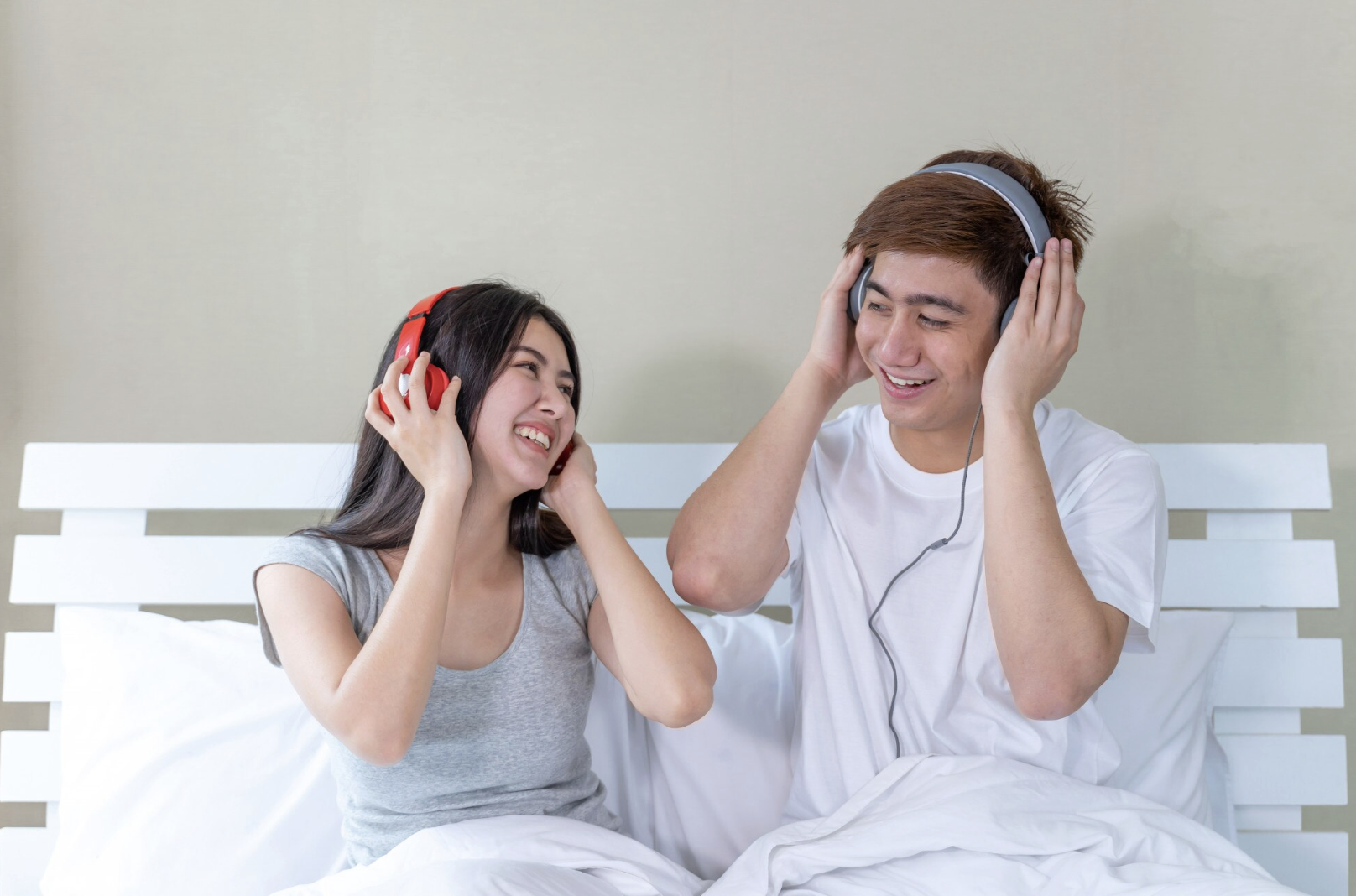
Photo Credit: FreePik
How the Study Was Conducted
The research team recruited 34 pairs of close friends, for a total of 68 participants.
Each pair took part in two listening conditions:
Solo listening: Participants listened alone in separate rooms without knowing what their friend was doing.
Shared listening: Friends sat face-to-face in the same room while listening to the same tracks.
The playlist included 15 songs total, split into three categories:
Songs selected as personal favorites by each participant
Songs selected as favorites by their friend
Researcher-selected pop songs matched for similar acoustic qualities
As each track played, participants used a digital slider to continuously rate their level of pleasure, allowing researchers to capture emotional reactions second by second.
To measure brain activity, the team used functional near-infrared spectroscopy (fNIRS), a non-invasive imaging method that tracks blood flow and oxygen levels in the brain through sensors placed on the scalp.
This setup allowed participants to remain in a more natural social environment while their neural responses were monitored.
What the Researchers Found
One of the clearest findings was that shared listening did not universally make music more enjoyable.
Instead, the increase in pleasure was most noticeable when participants listened to songs chosen by their friends. This suggests that context matters, and social connection may heighten engagement when listeners are actively connecting through another person’s musical preferences.
More significantly, shared listening increased what researchers identified as pleasure alignment.
This means participants experienced emotional highs and lows at nearly the same moments throughout a song, even without speaking or exchanging visible feedback.
Their enjoyment patterns became more synchronized simply by sharing the listening environment.
Brain Activity Moved in Sync
The neural data revealed another major takeaway.
When participants listened together, their brain activity became significantly more aligned compared to when they listened alone.
Researchers observed stronger synchronization in areas associated with reward processing, particularly within the prefrontal cortex.
This increased neural alignment suggests that shared music listening creates a kind of biological coordination between listeners. The closer participants’ emotional responses matched throughout a song, the stronger their brain synchrony became.
In simple terms, the study found measurable evidence that music can literally bring people onto the same wavelength.
Why Physical Presence Matters
An important detail in the findings was that this synchronization was strongest when participants were physically together.
The emotional and neural alignment was not simply the result of hearing the same song. The social context itself appeared to amplify the effect.
That distinction highlights something especially relevant in today’s digital-first listening culture.
Streaming platforms have made music more accessible than ever, but this research points to the unique value of shared physical listening experiences, whether that is live shows, collaborative studio sessions, listening parties, or simply sitting in the same room with friends.
The Bigger Picture for Music and Connection
The researchers noted that individual responses varied.
Not every participant experienced the same degree of synchronization, and factors like personality, relationship dynamics, and emotional sensitivity likely influenced the results.
Still, the broader takeaway is clear: shared musical experiences can create measurable emotional and neural alignment between people.
The team is already exploring follow-up research into movement synchronization, memory retention after shared listening, and potential applications in music therapy.
These findings open up interesting possibilities for understanding how music can support emotional attunement in therapeutic, educational, and collaborative creative settings.
Why This Matters
For artists, producers, and anyone working in music, this study is another reminder that music’s impact extends far beyond individual consumption.
At its core, music remains one of the most powerful tools for connection.
This research helps explain why shared listening experiences, whether in a concert venue, studio, or living room, continue to hold such lasting emotional weight.
Sometimes the strongest part of music is not just what we hear, but who we hear it with.
Let’s Collaborate!
Need help building the tone for your production? Hit us up – the Rareform Audio team would love to help you create the perfect soundtrack that speaks to your audience and enhances the power of your visual storytelling to new heights!
++

++
Rareform Highlights


++
Join our Spotify Playlist and vibe with us! Featuring an array of tunes our team has been listening to.
++