Spotify and Universal AI Remix Deal: What It Means for Artists, Fans, and Music Licensing

Spotify and Universal Music Group are officially moving deeper into AI-powered music creation with a new licensing agreement that will allow fans to create AI-generated remixes and covers directly on Spotify.
The feature, announced during Spotify’s investor day presentation, is expected to launch as a paid add-on for Premium subscribers. Participating users will be able to generate licensed remixes and alternate versions of songs from artists who choose to opt into the program.
The agreement marks one of the biggest steps yet toward bringing AI music tools into mainstream streaming platforms through official licensing frameworks rather than unregulated third-party apps.
Spotify Expands Beyond Traditional Streaming
For years, Spotify has focused mainly on music discovery, playlists, podcasts, and personalized recommendations. This new initiative pushes the platform further into interactive music experiences by allowing listeners to creatively engage with songs instead of only streaming them.
According to Spotify, artists and songwriters involved in the program will receive compensation tied to the AI-generated content created from their music. The company says the goal is to create a licensed system that keeps artists connected to the value generated from their catalogs.
The feature is expected to focus on AI-powered covers and remixes, though Spotify has not yet revealed specific details about how the tool will function or which artists will participate at launch.
What makes the deal significant is that it creates a formal rights structure around fan-made AI content. Until now, AI-generated music has largely existed outside traditional licensing systems, leading to ongoing disputes around copyright, artist identity, and ownership.

What This Means for the Music Industry
The partnership between Spotify and Universal Music Group could become an important test case for how AI music tools are integrated into the commercial music business moving forward.
Instead of trying to completely block AI-generated music, major companies are now exploring ways to monetize and regulate it through official agreements. The opt-in structure also gives artists more control over how their music is used inside AI systems.
This approach differs from many early AI music platforms that trained models using copyrighted music without licensing agreements in place. Over the past year, labels and publishers have pushed for stronger protections while also looking for ways to participate in the growth of AI music technology.
The Spotify deal reflects a growing shift toward licensed AI ecosystems where artists, labels, publishers, and streaming platforms all remain financially connected to the content being created.
For songwriters and rights holders, this could open new revenue opportunities tied to fan interaction and derivative content. At the same time, it raises larger questions about how original music, remix culture, and AI-assisted creativity may evolve together on streaming platforms.
Spotify Enters Direct Competition With AI Music Platforms
The announcement also positions Spotify more directly against AI music companies like Suno and Udio, both of which have seen rapid growth as AI-generated music tools become more popular.
Those platforms initially faced criticism and legal pressure over claims that copyrighted music had been used without authorization during AI training processes. In response, several AI music companies have recently started forming licensing partnerships with major labels.
Universal Music Group has already signed agreements connected to AI music initiatives involving Udio, while Warner Music Group has also partnered with Suno. However, legal disputes involving AI music copyright issues are still ongoing in the United States.
Spotify entering this space suggests that AI music creation is no longer being treated as a niche experiment. Instead, streaming services are beginning to position AI features as part of their long-term platform strategy.
The company has continued expanding beyond traditional subscriptions through audiobooks, AI-powered personalization tools, and premium fan-focused experiences. AI remixes and covers now appear to be another part of that broader expansion.
Artist Verification and AI Transparency
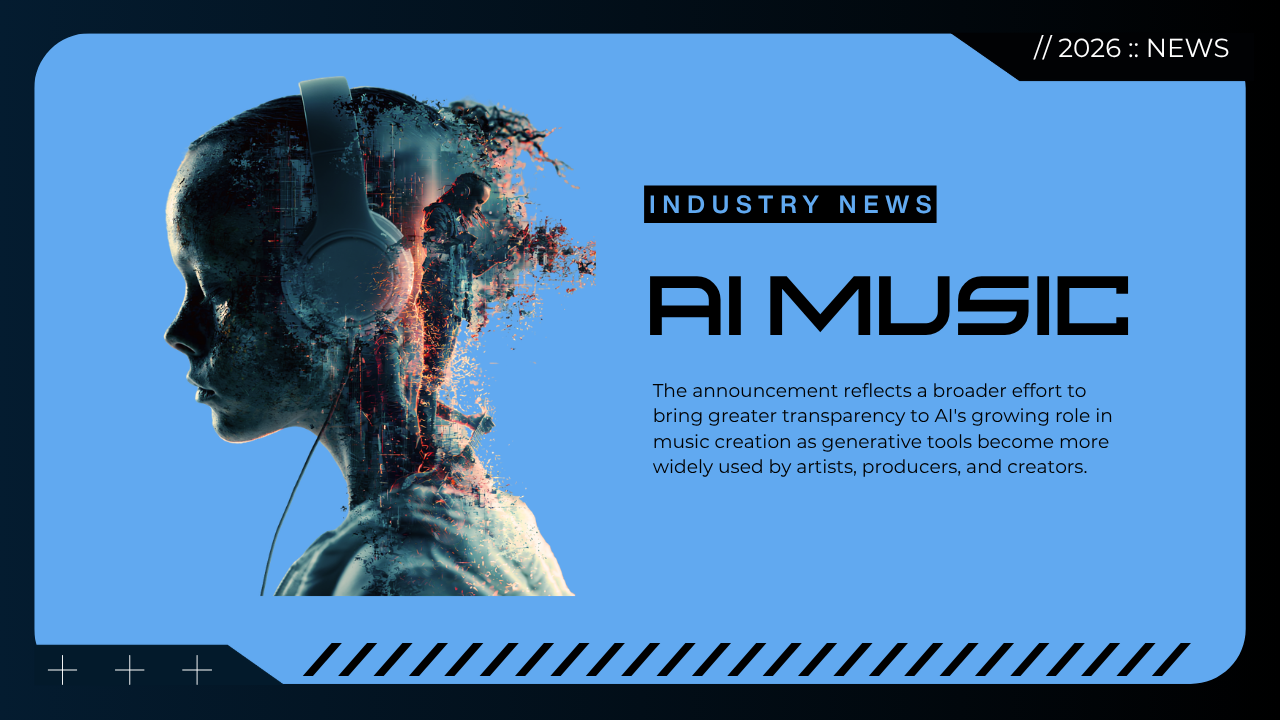
As Spotify introduces more AI-related features, the platform is also increasing efforts to separate official artists from AI-generated profiles and content.
Earlier this year, Spotify announced a verification system designed to help users identify authentic artist accounts through a visible verification badge. The update arrived as concerns around AI-generated impersonation and fake artist profiles continue growing across streaming platforms.
The timing of the new remix feature highlights how quickly AI is becoming intertwined with music distribution, artist branding, and fan engagement. While licensed AI creation tools may offer new opportunities, they also increase pressure on platforms to maintain transparency around what is human-created, AI-assisted, or fully AI-generated.
For artists, maintaining ownership and identity will likely remain one of the biggest conversations as these tools continue developing.
Spotify Introduces New Fan Ticket Access Feature
Alongside the AI remix announcement, Spotify also revealed a new ticketing initiative called Reserved, which will give paying subscribers early access to concert tickets before public sale dates.
The feature is launching first in the United States this summer and will use listener activity to determine eligibility. Spotify says factors like streaming frequency, saved tracks, and overall engagement with an artist’s catalog may influence who receives early ticket access.
The company says the goal is to help tickets reach genuine fans while reducing the impact of scalper bots that often dominate major concert sales.
The addition of fan ticket perks alongside AI remix tools shows how Spotify is continuing to build more direct fan experiences around its subscription ecosystem.
A New Phase for AI and Fan Participation
Fan-made remixes and covers have existed online for years, but this deal moves that activity into an officially licensed streaming environment backed by one of the largest music companies in the world.
The agreement suggests that the music industry is beginning to accept that AI-generated music tools are likely to remain part of the landscape moving forward. Rather than keeping those tools entirely outside the system, companies are now experimenting with ways to regulate, monetize, and integrate them into existing platforms.
How audiences respond to licensed AI remixing, and how artists choose to participate, could shape the next stage of music streaming, fan interaction, and digital music rights management.
Let’s Collaborate!
Need help building the tone for your production? Hit us up – the Rareform Audio team would love to help you create the perfect soundtrack that speaks to your audience and enhances the power of your visual storytelling to new heights!

++
Rareform Highlights

Join our Spotify Playlist and vibe with us! Featuring an array of tunes our team has been listening to.
++