Apple Music Introduces AI Transparency Tags for Streaming Content

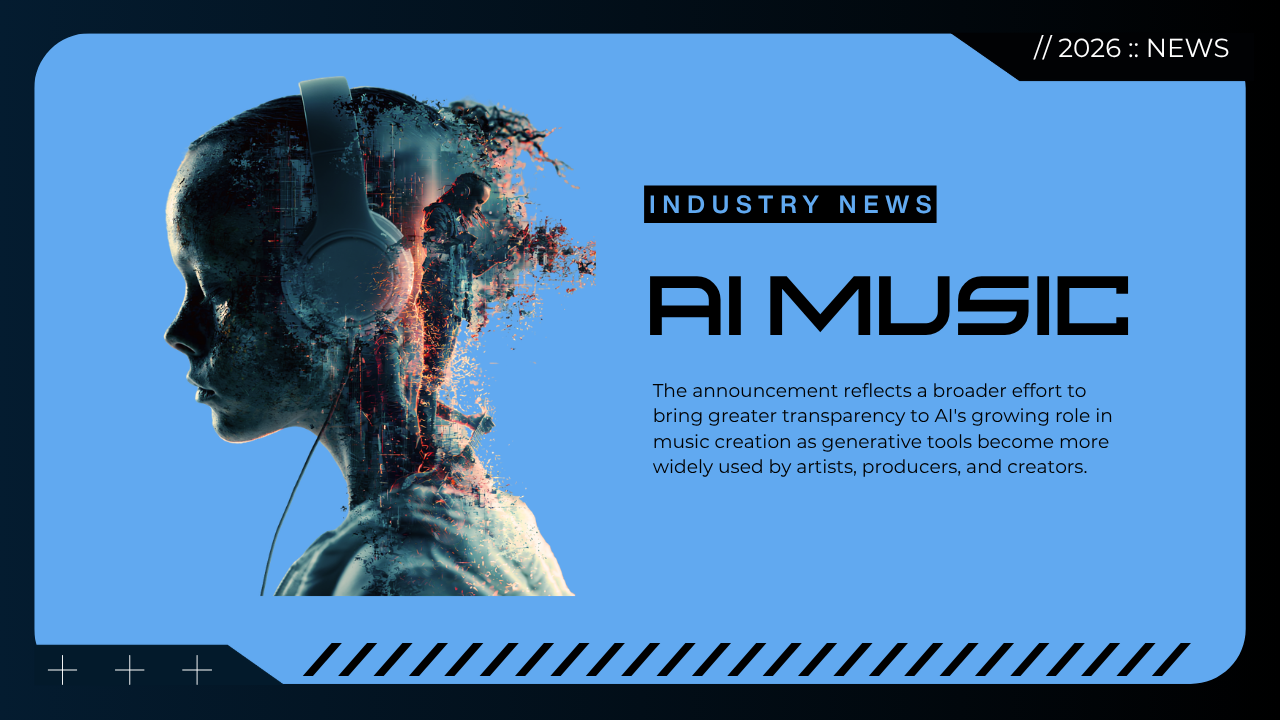
Artificial intelligence continues to reshape how music is created, distributed, and consumed. Now, streaming platforms are beginning to respond. Apple Music recently announced a new transparency feature that allows record labels and distributors to identify when artificial intelligence was used during the creation of music and related content.
The system introduces a new layer of metadata designed to give listeners more insight into how songs and visual assets are produced. As AI tools become increasingly common in production workflows, the update reflects growing interest from both the industry and listeners in understanding the role technology plays in modern music creation.
A Metadata Update Focused on Disclosure
The new tagging system expands the information that distributors provide when uploading music to the platform. Traditionally, metadata has focused on basic details such as artist names, song titles, and release dates. With the update, distributors now have the option to disclose whether AI tools were involved in several parts of a project.
This includes areas such as musical composition, lyrical writing, artwork, and music video production. The goal is to provide more transparency without restricting how artists and producers choose to work with emerging technologies.
Rather than relying on automated scanning systems, the platform’s approach is based on voluntary disclosure. Labels and distributors can apply tags during the upload process if artificial intelligence contributed to any element of a release. The information then becomes part of the track’s metadata within the platform’s internal system.
Streaming Platforms Explore Different Solutions
Apple Music’s approach reflects a broader industry conversation about how to manage AI-generated or AI-assisted content. While some platforms are focusing on metadata disclosure, others are experimenting with technical detection systems.

Photo Credit: Apple Music
Spotify has reportedly explored a similar tagging framework that allows distributors to voluntarily disclose the use of AI tools. At the same time, Deezer has invested in building automated detection systems designed to identify AI-generated audio. These tools attempt to analyze sound patterns and production characteristics to determine whether artificial intelligence played a role in the creation process.
Both strategies come with challenges. Metadata disclosure relies on accurate reporting from distributors, while automated detection systems must overcome technical limitations and the risk of false identifications. As a result, the streaming industry is still evaluating which approach offers the most practical balance between transparency and accuracy.
AI’s Growing Role in Music Production
Artificial intelligence is now part of many music production workflows. Some creators use AI tools to generate melodies or assist with sound design, while others use the technology for tasks such as vocal processing, lyric development, or visual artwork.
The rise of these tools has also introduced new legal and ethical questions. Discussions around copyright ownership, artist identity, and licensing have intensified as AI-generated voices and compositions become more sophisticated. For streaming platforms and rights holders, identifying when AI is involved has become an important step in managing those issues.
Transparency tags may also help clarify the difference between fully AI-generated works and music created by artists who simply incorporate AI tools as part of their process.
What the New System Could Mean for the Industry
The introduction of AI metadata tags signals a shift toward clearer documentation of how music is made. For listeners, it offers more insight into the creative process behind the tracks in their libraries. For artists and producers, it provides a way to acknowledge the role of technology without obscuring human contributions.
Industry observers also note that transparent labeling could eventually influence areas such as chart eligibility, award considerations, and licensing discussions. As artificial intelligence continues to evolve, the ability to distinguish between different forms of creative input may become increasingly relevant.
For now, the tagging system represents an early step toward establishing clearer standards around AI in music production. As more platforms introduce similar tools, transparency may become a defining feature of how the streaming ecosystem adapts to the growing presence of artificial intelligence.
Let’s Collaborate!
Need help building the tone for your production? Hit us up – the Rareform Audio team would love to help you create the perfect soundtrack that speaks to your audience and enhances the power of your visual storytelling to new heights!

Rareform Highlights



Join our Spotify Playlist and vibe with us! Featuring an array of tunes our team has been listening to.