Suno and Udio Seek Industry Alignment After Copyright Suits

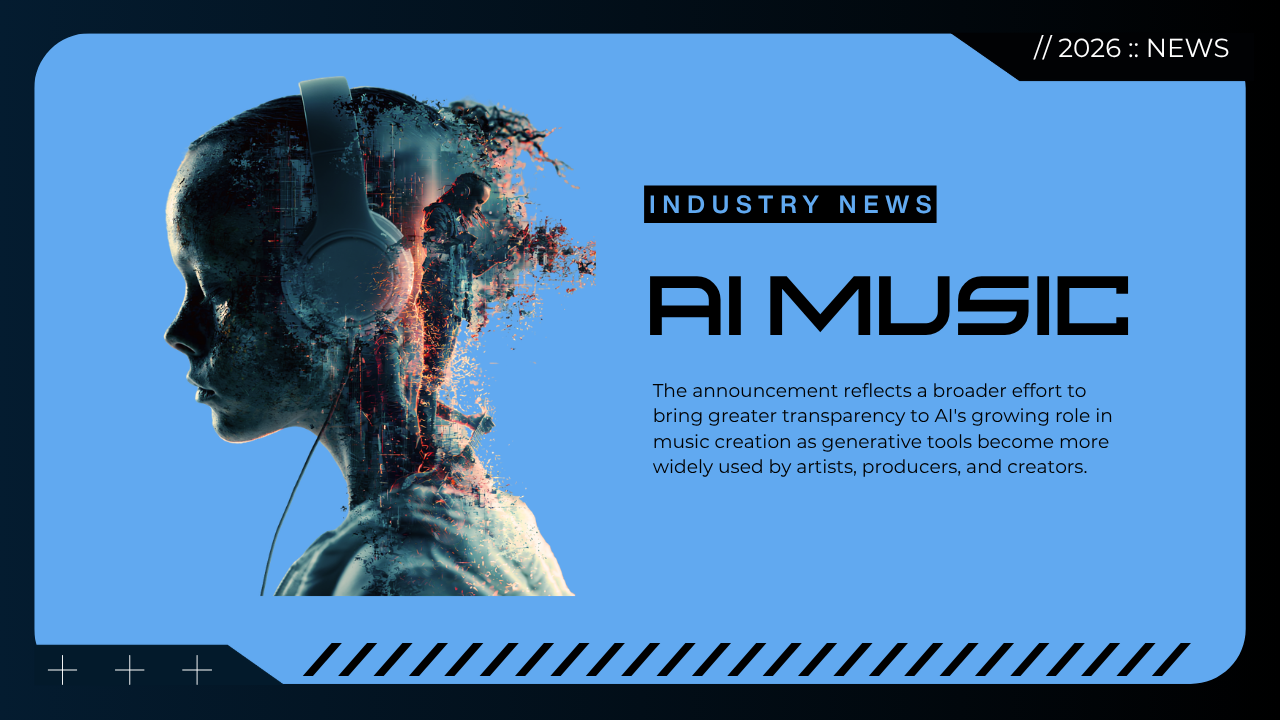
Artificial intelligence music platforms Suno and Udio are working to establish formal relationships within the traditional music industry after facing lawsuits from major record labels in 2024.
Both companies offer AI powered music generators that allow users to create original tracks by typing prompts that describe genre, tempo, instrumentation, or mood. The platforms generate complete songs within seconds, with additional tools available for editing and refinement.
As adoption accelerated, millions of AI generated tracks were uploaded across the internet, including to streaming services such as Spotify. That growth drew legal scrutiny from rights holders.
Copyright Lawsuits From Major Labels
In 2024, Sony Music, Universal Music Group, and Warner Records filed copyright infringement lawsuits against both startups. The labels allege that the AI systems were trained on copyrighted recordings without authorization, using protected works to develop models capable of generating new compositions.
The cases are currently moving through federal courts in Boston and New York. In addition to US litigation, Suno faces legal challenges in Europe from organizations representing music creators.

Settlement Agreements and Licensing Deals
Following the lawsuits, both companies began pursuing agreements with rights holders.
Suno, founded in 2022 and headquartered in Cambridge, Massachusetts, reached a settlement with Warner Records. The company has been valued at approximately $2.45 billion, according to reports, though its dispute with Sony Music remains unresolved.
Udio, founded in 2023 by a team that included former Google AI researchers, has secured licensing agreements with Warner Records, Universal Music Group, and independent label alliance Merlin Network. Sony Music has not reached a settlement with either company.
One of Udio’s early agreements led to user backlash when some creators temporarily lost the ability to download previously generated tracks. The company has since indicated it is adjusting its business model to align more closely with licensed content partnerships.
Artists Push for Transparency and Licensing Standards
Not all artists are convinced that partnerships alone will resolve concerns.
Singer songwriter Tift Merritt, co chair of the Artists Rights Alliance, helped organize a campaign urging AI companies to secure proper licensing agreements rather than develop tools without clear authorization from rights holders. The campaign included support from established artists such as Cyndi Lauper and Bonnie Raitt.
An open letter associated with the effort calls for transparency, consent, and compensation for musicians whose recordings may have been used to train AI systems. The broader concern among many artists centers on whether independent creators will be adequately represented in future licensing structures negotiated by major labels.
Executives Emphasize Collaboration
Leadership at both startups has publicly stated that collaboration with the music industry is essential for long term viability.
Suno has acknowledged that earlier public comments from its leadership created tension within the creative community. The company has since emphasized its intent to operate within legal boundaries while continuing to develop AI music tools.
Udio has positioned itself as a cooperative alternative within the AI space, signaling that it aims to build products that function within formal agreements rather than outside of them.
Emerging Use Cases and Industry Debate
Beyond legal disputes, AI music platforms are already influencing how some creators work.
Independent artists and producers have begun using generative tools for songwriting, demo production, and marketing content. In some cases, users combine platforms such as ChatGPT for lyrics with AI music generators for composition and other design tools for cover art and promotional materials.
Educators and technologists argue that generative AI could streamline production workflows and expand access to music creation. Critics maintain that unresolved copyright questions must be addressed before broader adoption can occur.
Where Things Stand
As litigation continues, Suno and Udio are attempting to transition from disruptive entrants to licensed participants in the music ecosystem. Some agreements are in place, while other cases remain active in court.
The outcome of these disputes may help shape how generative AI platforms operate within the recorded music business moving forward, particularly around licensing structures, artist compensation, and training data transparency.
For now, the companies remain active, negotiations continue, and the broader industry debate around AI generated music is far from settled.
Let’s Collaborate!
Need help building the tone for your production? Hit us up – the Rareform Audio team would love to help you create the perfect soundtrack that speaks to your audience and enhances the power of your visual storytelling to new heights!

Rareform Highlights

Join our Spotify Playlist and vibe with us! Featuring an array of tunes our team has been listening to.