Marathon Video Game Music: How Composer Ryan Lott Built the Sonic Identity of Bungie’s New World

The release of Marathon has quickly become one of the most talked about topics in gaming. As Bungie continues sharing developer insights, one of the most interesting conversations focuses on the game’s music and how its sonic identity came together.
In a recent developer video, composer Ryan Lott breaks down the thinking behind the score. Known for his work with the experimental group Son Lux, Ryan approached the soundtrack less like a traditional game score and more like world building through sound.
The Planet as the Main Character
Many games build their music around a central character. That usually means hero themes, villain themes, and musical cues tied to specific story moments.
Marathon takes a different route.
According to Bungie audio director Chase Combs, the team had to rethink their musical approach early on. Instead of building themes around a main character, they focused on the world itself.
One of the ideas the team landed on was that the story of Marathon is really the story of Tau Ceti, the planet and the history surrounding it. There is no central protagonist guiding the narrative.
Because of that, the music had to reflect the environment rather than a single hero.
This shifts the role of the score. Rather than guiding the player toward a character’s emotional arc, the music helps define the identity of the world.
Ryan Lott describes the tone of the game as both neon and decaying, futuristic but worn down. Those contrasts became a starting point for shaping the sound palette of the score.
Designing Sound Around the Game’s Core Concept
One of the central ideas in Marathon is that players abandon their human bodies and operate through synthetic “runner shells.”
That concept influenced how Ryan Lott approached sound design.
He began experimenting with the human voice, treating it less like a vocal performance and more like a raw material. Fragments of voice were transformed into instruments and textures, sometimes sounding like coded transmissions or distorted messages.
In the context of the game world, these sounds feel like traces left behind by the colony that disappeared. They add a layer of atmosphere without needing to explain the story directly.
It is a subtle technique, but it reinforces the idea that pieces of humanity still linger in the environment.
Starting with Acoustic Imperfections
Even though the game’s setting is highly technological, Ryan Lott often started with very physical instruments.
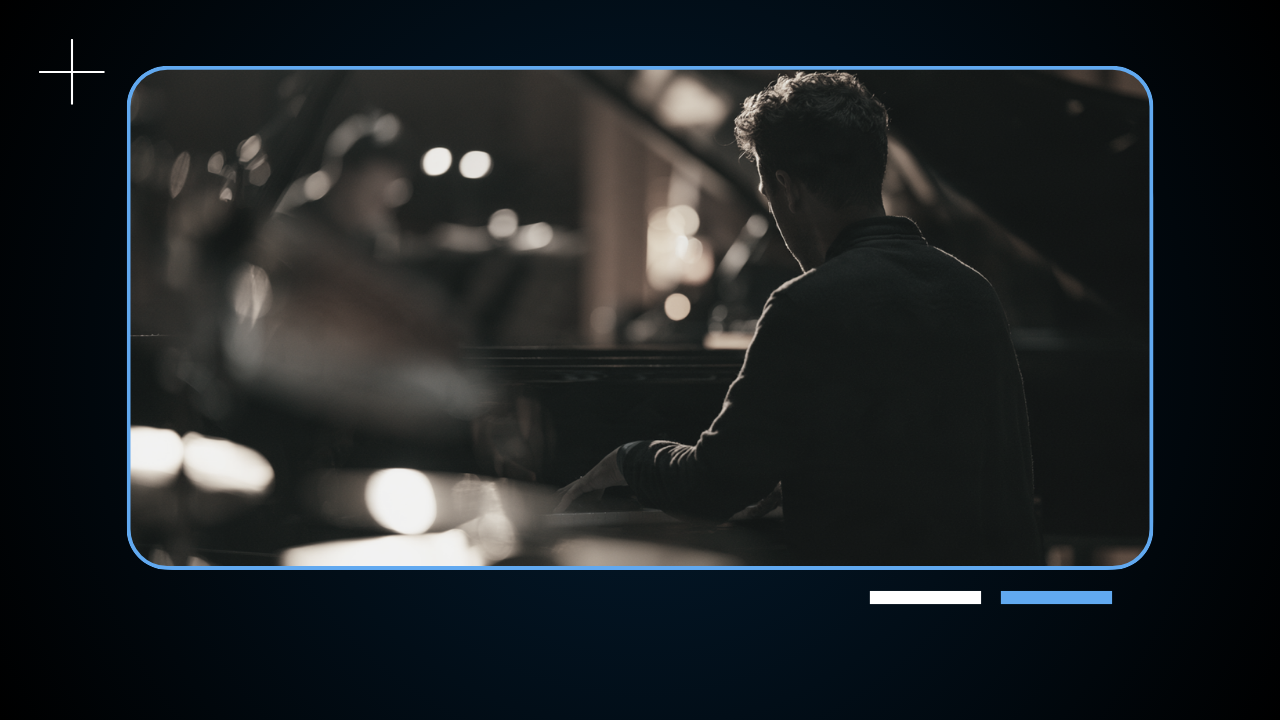
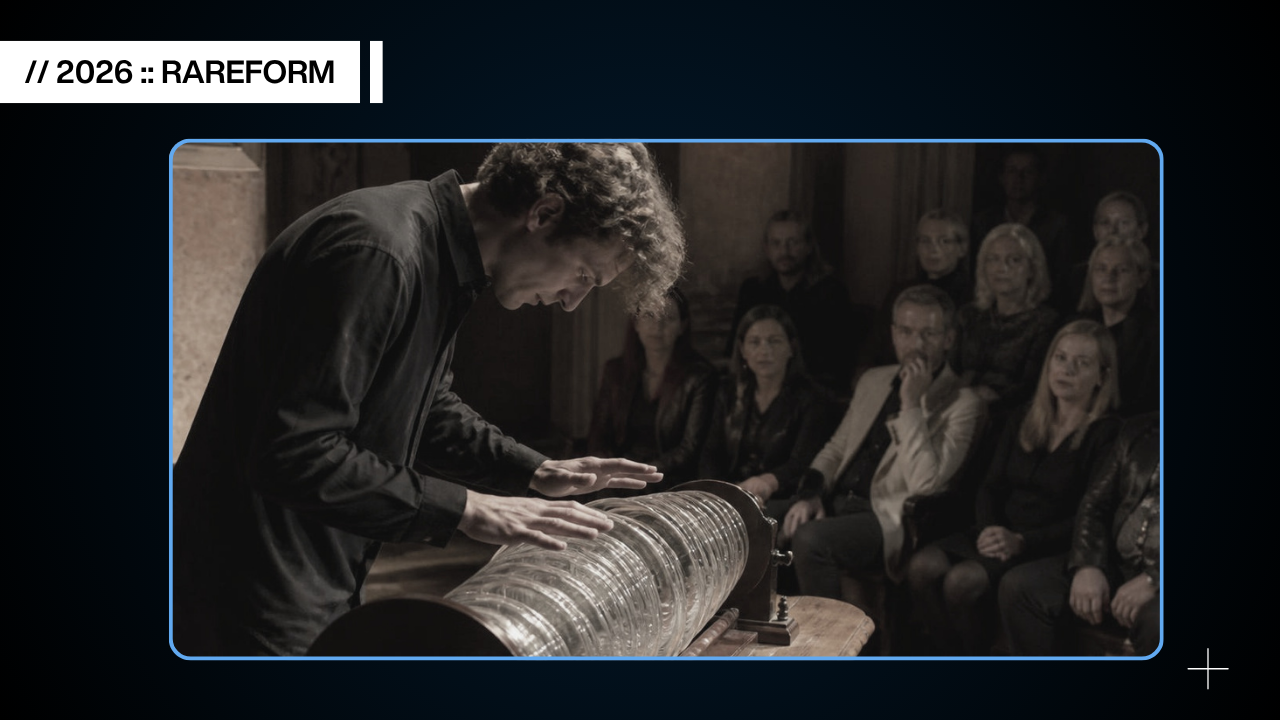
One example is a prepared piano that he modified using simple materials like poster putty placed inside the instrument. Small changes to the strings created muted tones, mechanical rattles, and unpredictable textures.
Beginning with acoustic sound helped introduce human imperfections into the score.
From there, those sounds were recorded, manipulated, and layered into the larger electronic environment of the soundtrack. The result is a hybrid sound that feels grounded but still futuristic.
Using Expressive Technology to Shape Electronic Sound
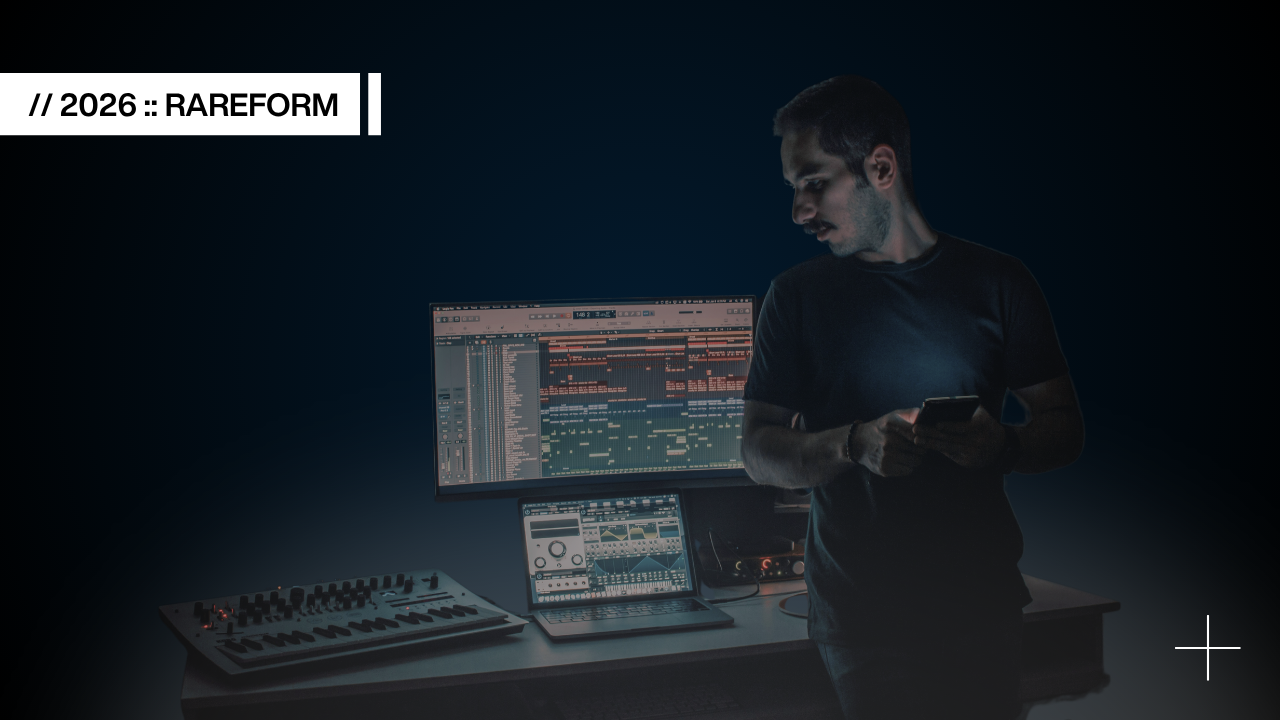
Ryan Lott also relied on newer digital instruments that allow for deeper expression during performance. One of the tools he highlights is the Expressive E Osmose.
Unlike a traditional keyboard, an MPE controller responds to pressure, motion, and subtle finger movements across each key. This allows performers to bend pitch, shape timbre, and control dynamics in ways that resemble acoustic instruments.
For a score that blends organic and synthetic elements, this level of control becomes important. It allows electronic sounds to carry the nuance and movement of a live performance.
Finding Emotion in the Small Details
Throughout the discussion, one idea comes up repeatedly in Ryan Lott’s process: emotion can exist in the smallest sonic details.
Whether it is the flutter of a prepared piano string, a manipulated vocal fragment, or the expressive movement of a digital instrument, each element contributes to the emotional tone of the world.
Ryan Lott describes the process simply as “painting with feelings.”
For a game like Marathon, that philosophy fits naturally. The music does not just support gameplay moments, it also shapes how players experience the world.
Why This Approach Stands Out
Game scores often aim for cinematic scale, but Marathon’s soundtrack highlights how concept-driven sound design can define a world in a different way.
By focusing on the environment as the central character, Ryan Lott’s approach connects music directly to the lore, technology, and atmosphere of the game.
For composers working in interactive media, it is a reminder that strong musical identity often starts with a clear creative question.
In this case, the question was simple: what does a forgotten colony on Tau Ceti sound like?
The answer became a score that blends human presence, mechanical decay, and futuristic expression into one cohesive sonic world.
Let’s Collaborate!
Need help building the tone for your production? Hit us up – the Rareform Audio team would love to help you create the perfect soundtrack that speaks to your audience and enhances the power of your visual storytelling to new heights!
++

++
Rareform Highlights

++
Join our Spotify Playlist and vibe with us! Featuring an array of tunes our team has been listening to.
++