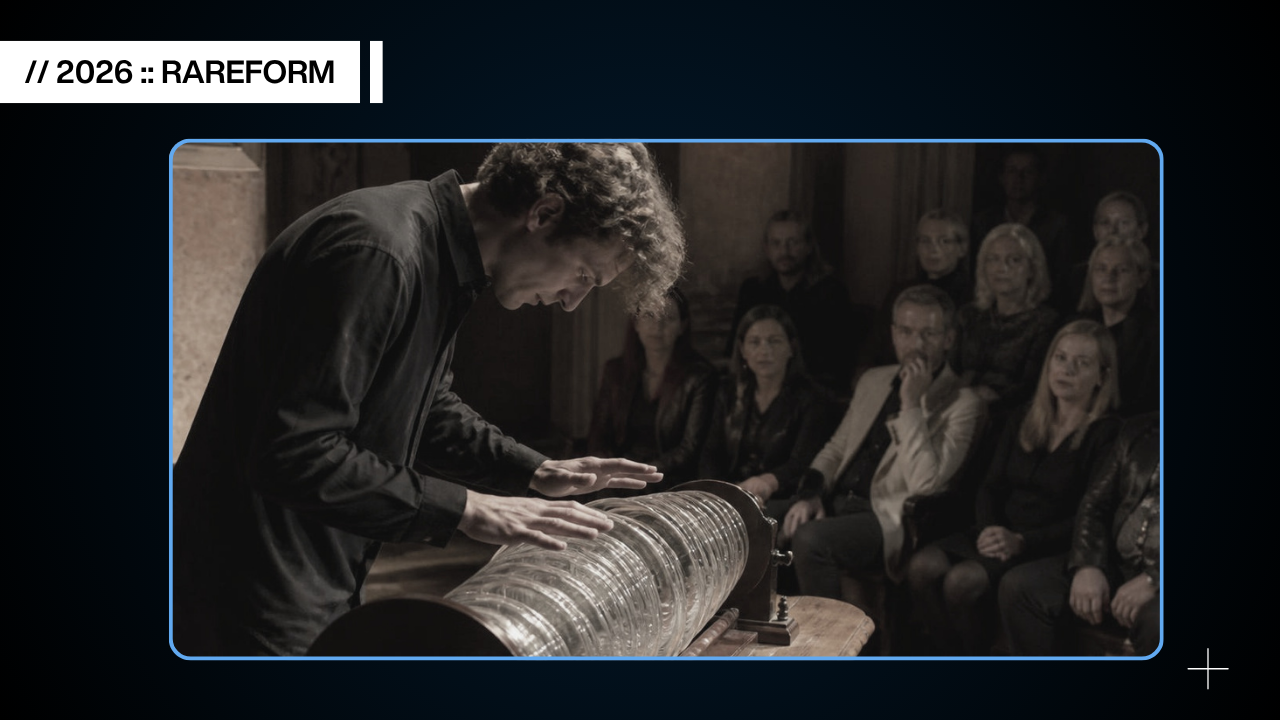
Steve Forman's Legendary Steel Sheet: What It Teaches Us About Sound Design in Modern Music Production
When discussing iconic tools in music production, most conversations revolve around synthesizers, orchestral libraries, microphones, or the latest software. Yet some of the most memorable sounds in film and television have come from far less conventional sources.
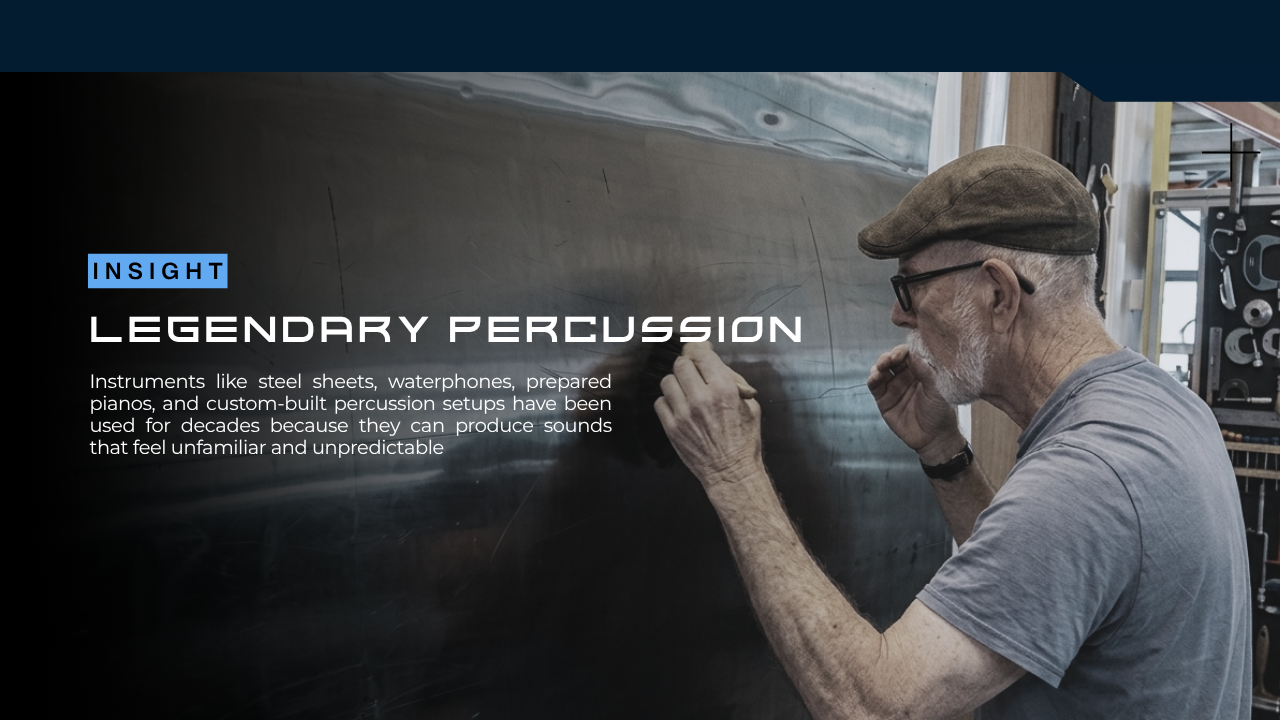
One of the best examples is the steel sheet famously used by percussionist Steve Forman. While it may appear to be nothing more than a suspended piece of metal, it has become a valuable tool for creating the kind of textures, tension, and atmosphere that composers often struggle to achieve with traditional instruments alone.
More importantly, its continued use highlights a lesson that remains relevant in modern production: sometimes the most effective sounds come from unexpected places.
Why Film Composers Look Beyond Traditional Instruments
Film scoring has always been about more than melody and harmony.
A great soundtrack helps shape emotion, build anticipation, and support the story unfolding on screen. While orchestras and synthesizers play a major role in that process, composers are constantly searching for sounds that can create a specific feeling without becoming the center of attention.
This is where unconventional percussion often enters the picture.
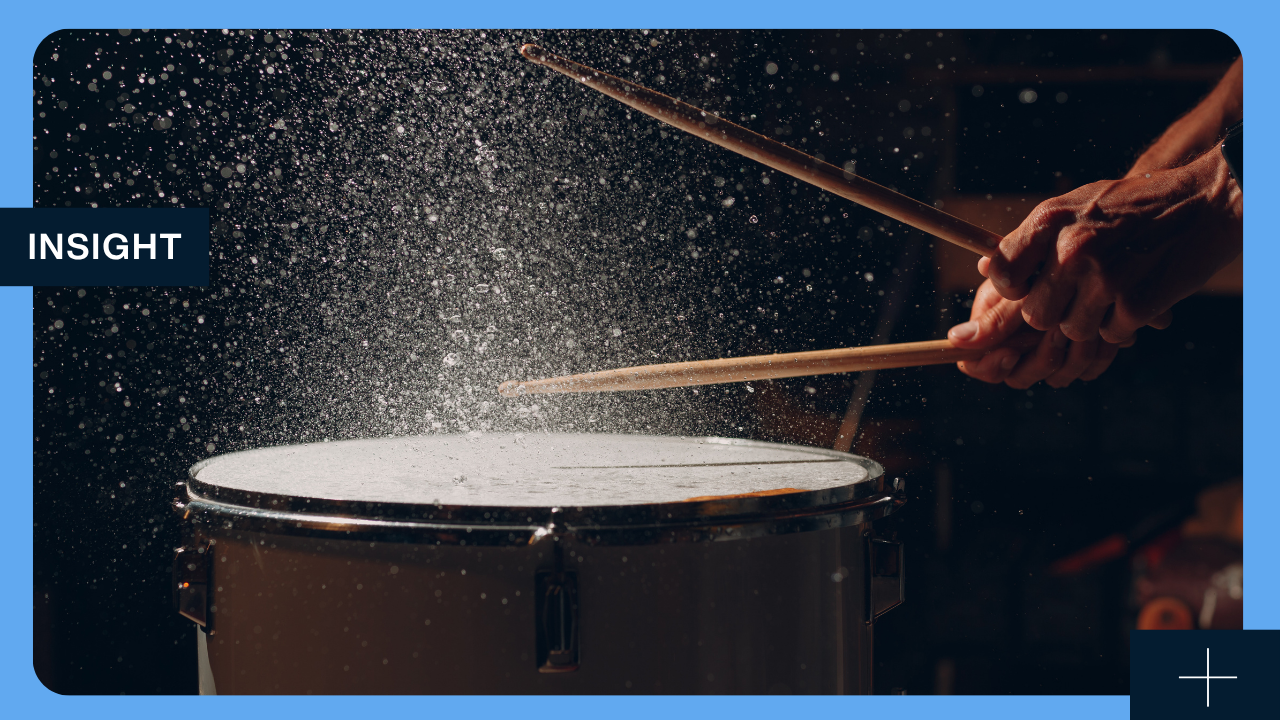
Instruments like steel sheets, waterphones, prepared pianos, and custom-built percussion setups have been used for decades because they can produce sounds that feel unfamiliar and unpredictable. Rather than sounding like a recognizable instrument, they create textures that blend seamlessly into the emotional landscape of a scene.
Steve Forman's steel sheet became a notable example of this approach, offering a wide range of metallic swells, resonances, and impacts that could add depth to a score without overwhelming it.
The Value of Organic Sound Design
One of the reasons sounds like these remain popular is their natural complexity.
When a steel sheet is struck or manipulated, it produces layers of harmonics that are constantly shifting and evolving. The sound doesn't simply start and stop. It moves, resonates, and changes over time.
This organic behavior is difficult to replicate perfectly with software alone.
Modern sample libraries provide incredible flexibility, but many composers still incorporate live recordings because real-world performances contain subtle imperfections that make a track feel more alive. Tiny variations in timing, dynamics, and resonance often contribute just as much to the emotional impact of a cue as the notes themselves.
The steel sheet is a perfect example of how natural sound sources can bring character and movement to a production.
The Space Between Music and Sound Design
One of the most interesting aspects of modern scoring is how blurred the line has become between music and sound design.
Many contemporary soundtracks rely on textures just as much as traditional musical themes. A metallic swell, an atmospheric drone, or a resonant impact can be just as important to a scene as a melody.
Instruments like Forman's steel sheet sit comfortably in that space.
Depending on how it's performed, the instrument can function as a musical texture, a transition effect, a suspense-building element, or even a sound design layer. This versatility is one reason why similar instruments continue to appear in scoring sessions today.
For composers, these sounds offer an opportunity to create emotion in a way that feels less obvious than a traditional musical cue.
What Producers Can Learn From It
Perhaps the biggest takeaway isn't the instrument itself, but the mindset behind it.
The steel sheet became valuable because someone explored its potential beyond its intended purpose. Rather than viewing it as a simple piece of metal, musicians discovered an entirely new palette of sounds hidden within it.
That same mindset continues to drive innovation across music production today.
Whether it's recording household objects, manipulating found sounds, layering unconventional percussion, or experimenting with new processing techniques, many of the most interesting production ideas begin with curiosity rather than technology.
The tools may evolve, but the creative process remains surprisingly similar.
Why It Still Matters Today
In an era where producers have access to nearly unlimited sounds at the click of a button, it's easy to overlook the importance of experimentation.
The story of Steve Forman's steel sheet serves as a reminder that some of the most effective sounds in film music weren't created by chasing trends or relying on the latest gear. They emerged from a willingness to explore unconventional ideas and discover new ways of creating emotion through sound.
For composers, sound designers, and producers, that's a lesson that remains just as relevant today as it was decades ago. Great production isn't always about having more tools. Sometimes it's about finding new possibilities within the tools you already have.
And occasionally, those possibilities are hiding inside a simple sheet of steel.
Let’s Collaborate!
Need help building the tone for your production? Hit us up – the Rareform Audio team would love to help you create the perfect soundtrack that speaks to your audience and enhances the power of your visual storytelling to new heights!

++
Rareform Highlights

Join our Spotify Playlist and vibe with us! Featuring an array of tunes our team has been listening to.
++