The Glass Armonica: The Science Behind Music's Most Mysterious Instrument
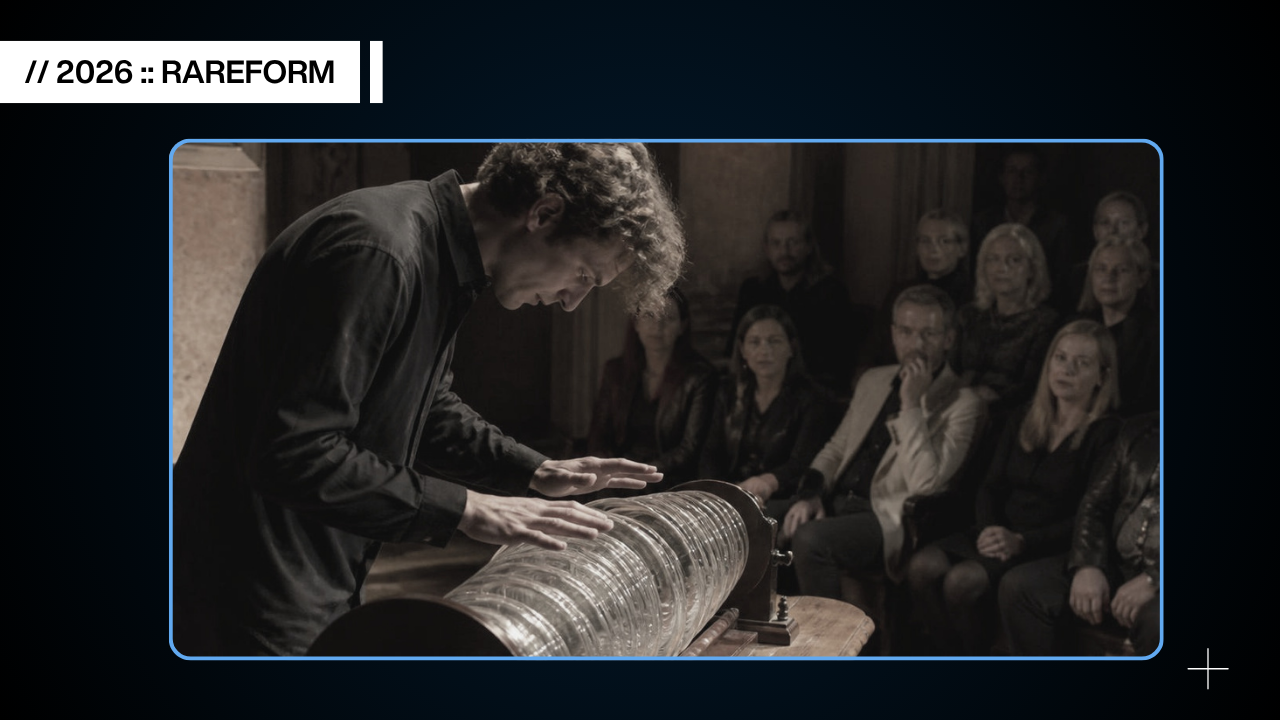
Some instruments are remembered for their technical innovation. Others are remembered for the stories surrounding them. The glass armonica happens to be both.
Invented by Benjamin Franklin in 1761, the glass armonica became known for its distinctive, ethereal sound and later gained a reputation for causing psychological distress. While modern research does not support claims that the instrument can drive listeners to insanity, its history offers an interesting look at how sound influences perception, emotion, and musical storytelling.
An Innovative Take on a Familiar Idea
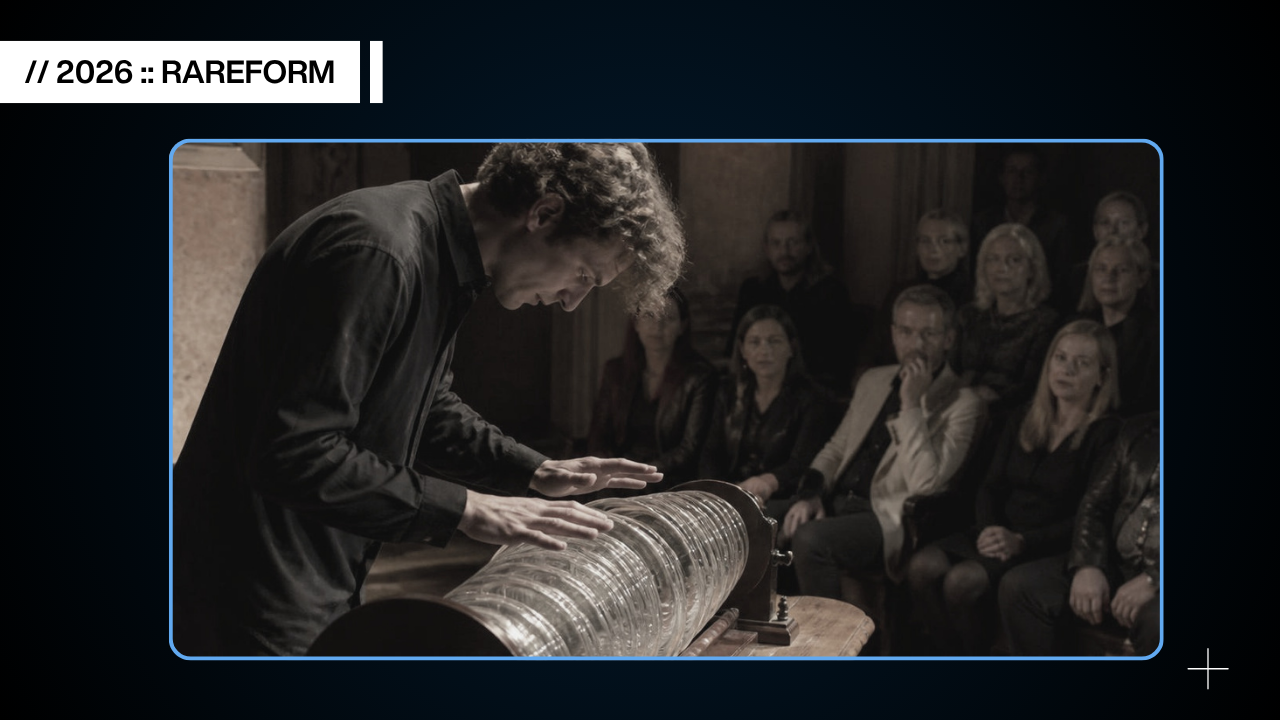
The inspiration for the glass armonica came from a simple technique many people have tried: rubbing a wet finger around the rim of a wineglass to produce a tone.
Franklin refined that concept by arranging 37 glass bowls of different sizes on a rotating spindle powered by a foot pedal. This allowed performers to play multiple notes more efficiently than individual water-tuned glasses, turning a novelty into a practical musical instrument.
The result was an instrument capable of producing sustained tones with a character unlike strings, woodwinds, or keyboards.
A Sound That Found Its Place in Classical Music
The glass armonica quickly attracted the attention of composers looking for unique textures.
Wolfgang Amadeus Mozart wrote music specifically for the instrument, while Camille Saint-Saëns later used it in The Carnival of the Animals to create an atmospheric, almost dreamlike quality. Historical accounts also suggest that Marie Antoinette was among those who learned to play it.
Its appeal extended beyond classical music. Artists including Tom Waits, David Gilmour, and Björk have incorporated its unmistakable sound into modern recordings, demonstrating that uncommon instruments can remain creatively relevant centuries after their invention.
How Myth Became Part of the Instrument's Legacy
During the late 18th century, stories began circulating that the glass armonica could negatively affect the mind. Some writers claimed its sound overstimulated the nervous system, while others associated it with melancholy or emotional instability.
Part of that reputation came from its connection to Franz Anton Mesmer, who used the instrument during demonstrations of mesmerism. Although the music helped create an unusual atmosphere, a French scientific investigation in 1784 concluded that Mesmer's methods were not supported by evidence. The instrument itself was never identified as the cause of the effects people believed they experienced.
Today, historians generally view many of these claims as products of the cultural beliefs and limited scientific understanding of the time rather than proof that the instrument posed a psychological danger.
Why the Sound Feels Different
One reason the glass armonica continues to fascinate listeners is its acoustic character.
Musicologists have noted that many of its tones fall within a frequency range where people can have more difficulty identifying the exact location of a sound. Combined with its smooth, sustained resonance, this can create an immersive listening experience that feels less directional than many traditional instruments.
That quality helps explain why composers have often chosen the instrument to support scenes involving mystery, fantasy, dreams, or heightened emotion.
Why It Quietly Disappeared
The decline of the glass armonica had less to do with superstition than with practical limitations.
As concert halls grew larger during the 19th century, composers increasingly needed instruments capable of projecting to bigger audiences. Unlike pianos or orchestral instruments that could evolve alongside changing performance spaces, the delicate construction of the glass armonica limited how much volume it could produce.
Its disappearance reflects a challenge that continues today. An instrument's longevity often depends not only on its artistic qualities but also on whether it can adapt to changing performance environments and production needs.
What the Music Industry Can Learn
The story of the glass armonica highlights how innovation is not always about creating something louder or more complex. Sometimes it comes from discovering a sound that evokes a specific emotional response.
For composers, producers, and sound designers, distinctive timbre remains one of the most powerful storytelling tools available. Whether the source is a centuries-old invention or a newly developed instrument, unusual sounds have the ability to shape atmosphere, influence perception, and make a piece of music instantly recognizable.
The glass armonica may never have been the world's most dangerous instrument, but it remains one of music history's most fascinating examples of how sound can leave a lasting impression long after the final note fades.
Let’s Collaborate!
Need help building the tone for your production? Hit us up – the Rareform Audio team would love to help you create the perfect soundtrack that speaks to your audience and enhances the power of your visual storytelling to new heights!

++
Rareform Highlights



++
Join our Spotify Playlist and vibe with us! Featuring an array of tunes our team has been listening to.