How to Find Your Creative Flow: The Science of Music Inspiration

In the music world, inspiration can feel like a spark that comes out of nowhere. Yet, behind that spark is a mix of neuroscience, psychology, and the habits that shape how we create. Understanding what fuels creativity can help musicians, composers, and sound designers tap into a consistent flow where ideas move freely and naturally.
Understanding Flow in Music
Flow is the state where time melts away, and every note, rhythm, or chord feels intuitive. Psychologists have studied this deeply, showing that flow emerges when your skills meet a challenge just beyond your current abilities. In music, this might be experimenting with a new instrument, tackling a complex rhythm, or improvising over a chord progression you’ve never tried. The key is balancing focus with freedom, knowing what you want to achieve while leaving space for exploration. Hearing the immediate results of your efforts, whether in a recording or live improvisation, reinforces that sense of momentum and immersion.
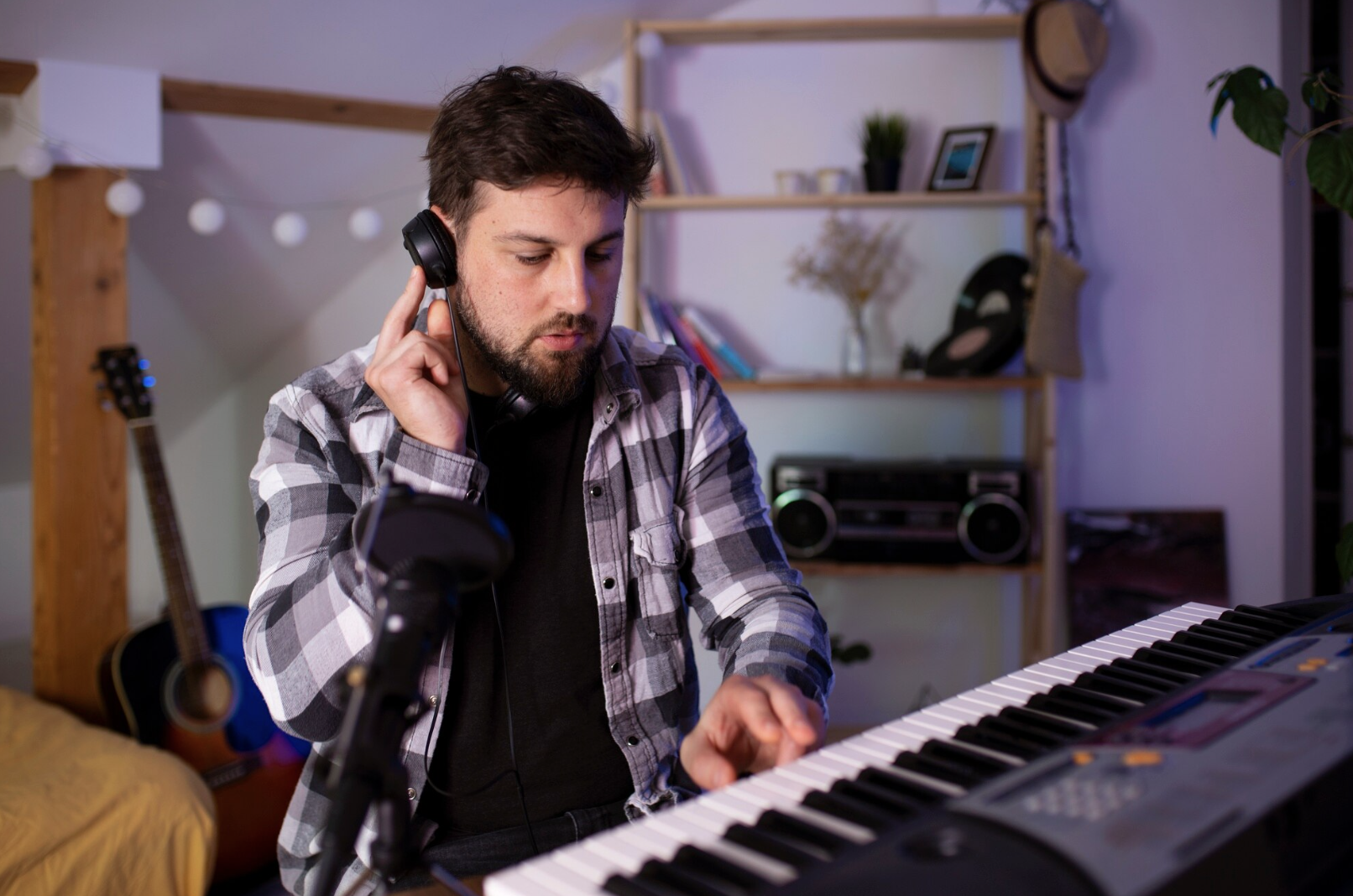
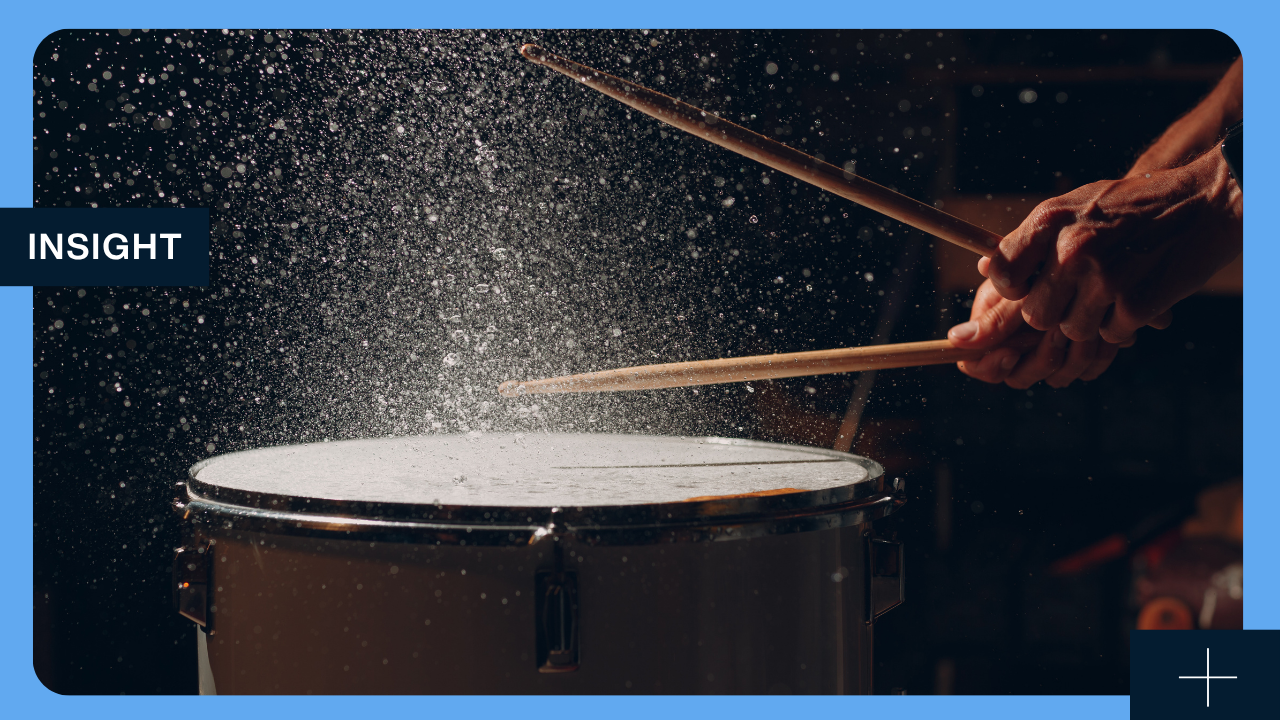
Photo Credit: FreePik
The Role of Brain Chemistry
Creativity is chemical as much as it is mental. Playing or composing music triggers dopamine, which sharpens motivation and enhances focus. Dopamine doesn’t just make tasks feel rewarding; it helps you push past mental blocks, encouraging experimentation. Serotonin also plays a role, especially when music is shared with others, creating a sense of connection and mood elevation. Musicians often feel this firsthand when collaborating, ideas flow more easily, and the process itself becomes intrinsically satisfying.
Shaping Your Creative Environment
The spaces we inhabit influence how easily flow appears. Minimal distractions allow your brain to focus on subtle musical decisions, while physical comfort and ambient soundscapes support prolonged engagement. For some, a quiet room is ideal; for others, white noise, natural sounds, or even a café hum can enhance concentration. Small adjustments, like proper lighting, an ergonomic chair, or simply organizing your workspace, can make creative sessions feel effortless rather than forced.
Embracing Randomness and Collaboration
Sometimes the most innovative ideas emerge when predictability is disrupted. Techniques like random note generation, or chance-based composition methods inspired by figures like John Cage, can introduce surprises that spark creativity. Collaboration plays a similar role, especially when artists bring different styles, instruments, or perspectives together. These interactions create a fertile ground for inspiration, pushing music beyond individual limitations.
Downtime and the Incubation Effect
Contrary to intuition, stepping away from music often helps ideas flourish. Periods of rest, walking, or engaging in unrelated activities allow your subconscious to connect patterns and generate insights. This “incubation” effect is why breakthroughs often appear when you’re least expecting them. Allowing the mind to wander is not wasted time, it’s an essential part of the creative process.
Movement and Rhythm
The physical body is deeply linked to musical perception. Moving with the rhythm, whether dancing, grooving, or gesturing while playing, can enhance connection to music. These movements engage the brain in ways that spark improvisation and reinforce intuitive understanding of timing, phrasing, and dynamics.
Sleep, Rest, and Neural Consolidation
The brain continues to process learning during sleep. After a creative session, rest allows neural connections to strengthen, making it easier to return to music with fresh ideas. Sleep is not just recovery—it’s an integral part of the creative ecosystem.
Embracing the Journey
Ultimately, creativity in music is not about instant genius. It’s about showing up consistently, experimenting, adjusting, and letting the process unfold. Breakthroughs happen, but so do missteps—and both are part of the rhythm of creation. Flow emerges when you respect the journey as much as the destination.
Harnessing the science behind music inspiration doesn’t guarantee a masterpiece every session, but it gives you the tools to enter flow more reliably. By understanding your brain, shaping your environment, and embracing both structure and spontaneity, music creation becomes less about waiting for inspiration and more about cultivating it.
Let’s Collaborate!
Need help building the tone for your production? Hit us up – the Rareform Audio team would love to help you create the perfect soundtrack that speaks to your audience and enhances the power of your visual storytelling to new heights!

Rareform Highlights


Join our Spotify Playlist and vibe with us! Featuring an array of tunes our team has been listening to.