Finding a great piece of music for a game trailer can be exciting. The production sounds great, the instrumentation is interesting, and the track has plenty of character. But once you put it against the footage, something feels off.
A track can be exceptionally well-produced and still be the wrong creative choice for a project.
When it comes to game trailers, how the music works with the visuals, gameplay, and overall creative direction is just as important as how good it sounds on its own.
So, what makes a piece of music the right fit for a game trailer?
Musical Quality vs. Creative Suitability
There's a difference between appreciating a piece of music and recognizing whether it serves a particular project.
A cinematic orchestral track might sound incredible on its own, but pairing it with a relaxing exploration game could create an entirely different impression of the experience. Similarly, a beautifully composed ambient track might lack the momentum needed for a fast-paced action game trailer.
Music helps establish expectations. It gives viewers an idea of the game's atmosphere, personality, and the kind of experience they can expect.
When those elements don't align, the trailer can unintentionally communicate something different from what the game actually offers.
Why Great Music Doesn't Always Work
There are several reasons why a well-produced piece of music might not translate well into a game trailer. Much of it comes down to the relationship between the music, the footage, and the experience being presented.
1. The Tone Doesn't Match the Game
A track's mood can influence how viewers interpret the footage.
For instance, pairing an intense, aggressive track with a cozy farming simulator could make the experience feel more chaotic than intended. Unless that contrast is a deliberate creative decision, it can create confusion around the game's identity.
This is particularly important during the opening seconds of a trailer, when viewers are beginning to form an impression of the game.
Understanding the game's genre, audience, and atmosphere can help narrow down which musical direction makes the most sense.
2. The Music Lacks an Emotional Arc
Game trailers often need to communicate a lot within a relatively short amount of time. Establishing the world, introducing gameplay mechanics, building anticipation, and revealing key moments all require some consideration of musical structure.
A track that maintains the same level of intensity throughout may leave little room for these moments to develop.
Natural transitions, builds, breaks, and changes in dynamics can give editors more flexibility when shaping the trailer's progression. Sometimes, a moment of silence or a stripped-back musical section can be just as effective as a large cinematic build.
The musical arrangement should give important moments enough space to make an impact.
3. The Pacing Doesn't Complement the Footage
A track might have a great rhythm, but that rhythm needs to work with what's happening on screen.
Gameplay reveals, scene transitions, title cards, and key visual moments can all benefit from thoughtful musical placement.
Of course, every cut doesn't need to land on a beat. What's important is that the relationship between the music and footage feels intentional.
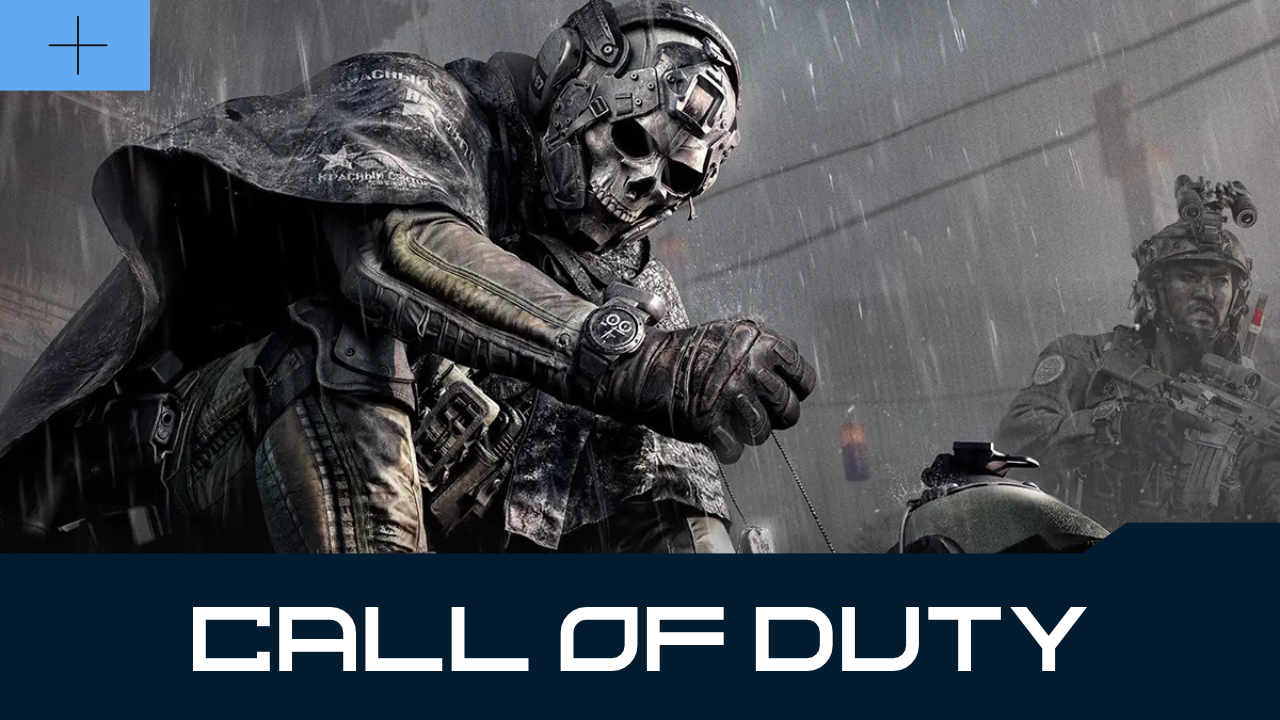
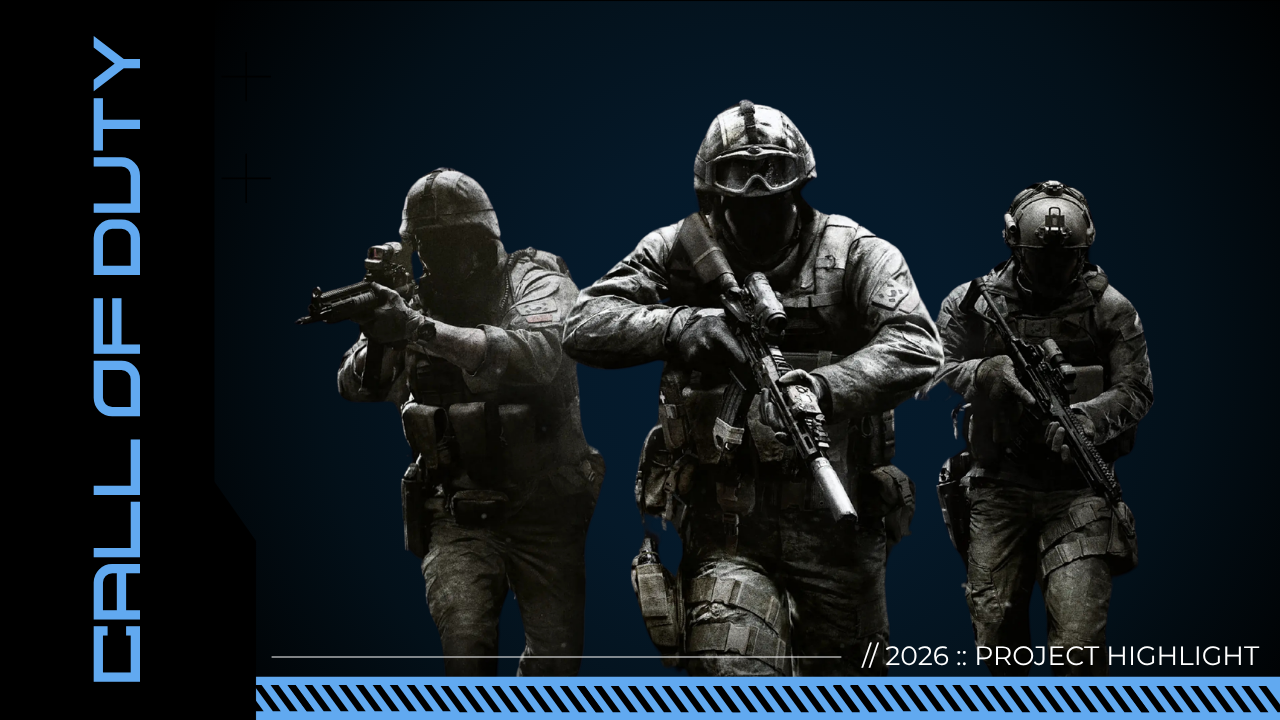
For another example, take a look at the trailer for Call of Duty: Modern Warfare 4 for their official PC trailer, which features our track Corrupt Data by Darby Phillips and Nathan Fields. Notice how the pacing of the music works alongside the transitions, gameplay sequences, and progression of the trailer.
Watching how music is used across different game trailers can be a helpful way to understand how musical structure influences the editing process.
4. The Music Overshadows the Game's Sound Design
Sound design plays a significant role in communicating what a game feels like to play.
Footsteps, environmental sounds, character movements, impacts, and other gameplay interactions can give viewers a better sense of the experience.
When the music occupies too much space in the mix, these details can get lost.
Creating room for gameplay audio, dialogue, and sound design can help establish a more balanced and immersive trailer.
Depending on the track, this might involve working with individual stems, adjusting the arrangement, or pulling the music back during specific moments to allow important sound effects to come through.
5. The Track Offers Limited Editing Flexibility
Some tracks work well as standalone listening experiences but offer limited opportunities for editing.
A repetitive arrangement or a short musical loop can become difficult to work with when a 60-to-90-second trailer needs multiple sections with varying levels of energy.
Access to stems, alternate mixes, and different musical sections can give editors more control over how the music develops alongside the footage.
This flexibility can be particularly useful when working with gameplay reveals, dialogue, transitions, or moments that require a change in musical intensity.
How to Tell If a Track Is the Right Fit
Before committing to a piece of music, here are a few practical ways to evaluate how well it works with your game trailer.
Watch the trailer without music.
Mute the audio and see whether the footage still communicates the game's identity, core mechanics, and overall direction. This can help identify whether the music is supporting the edit or compensating for something missing in the footage.
Consider the first impression.
Ask someone unfamiliar with the game to watch the first 10 to 15 seconds of the trailer. What kind of game do they think it is? Does their impression align with the actual gameplay experience?
Evaluate the musical structure.
Consider whether the track leaves enough room for important reveals, transitions, changes in pacing, and moments of tension.
Listen to the entire audio mix.
Pay attention to how the music interacts with gameplay audio, dialogue, and essential sound effects. Are important details still coming through clearly?
Experiment with alternative tracks.
Try different musical approaches against the same footage. A change in tempo, instrumentation, or musical style can reveal possibilities that weren't apparent during the initial selection process.
It's also worth considering whether the track itself is the issue or whether it simply needs a different arrangement. With the right edits or access to stems, a track that initially feels unsuitable might end up working well.
Finding the Right Music for Your Game Trailer
Whether you're licensing an existing track or working with a composer on a custom piece of music, having a clear understanding of the game's identity and the trailer's creative direction can make the selection process much easier.
Consider what you want the audience to understand about the game, how you want them to feel, and which moments deserve the most attention.
There isn't a single musical formula that works for every game trailer. Different genres, audiences, and creative approaches will naturally call for different musical choices.
Sometimes, the most effective choice is a relatively simple track that gives the gameplay room to speak for itself.
Ultimately, the right piece of music is the one that complements the game and the experience you're trying to share with the audience.
Let’s Collaborate!
Need help building the tone for your production? Hit us up – the Rareform Audio team would love to help you create the perfect soundtrack that speaks to your audience and enhances the power of your visual storytelling to new heights!

++
Rareform Highlights

++
Join our Spotify Playlist and vibe with us! Featuring an array of tunes our team has been listening to.
++