Genre can narrow a trailer music search, but it rarely settles the choice. Two tracks tagged thriller can suggest very different films. A driving bass line can give a pursuit the confidence of a heist. An uneven pulse can make the same pursuit feel like an escape. Both create momentum. The difference is whose experience the audience follows: the person closing in or the person trying to get away.
That first impression matters because a trailer audience is still getting its bearings. Before viewers know the characters or the stakes, the music has already given them a way to read the footage.
The score means something different on a first listen
An editor who has seen the feature hears the score with the story attached. A recurring theme may carry the weight of a relationship or bring back a moment from the final act. For someone encountering that melody in a trailer, none of those associations exist yet.
That changes what makes a piece of score useful in the cut. A theme with a distinctive rhythm or an uneasy turn in the melody can register immediately. A quieter passage may owe much of its impact to the scene that originally preceded it. Lift that passage into the opening of a trailer and the notes are the same, but the reason they felt moving may be gone.
This is where an outside track can come closer to the experience of the film than the original cue. A song’s vocal delivery, for instance, can convey a character’s defiance before the trailer has enough room to establish what they’re up against. The choice depends on what comes through on a first listen.
Energy and attitude are separate decisions
When comparing tracks against the same cut, pace is easy to notice. A faster cue pushes the sequence along; a slower one gives individual shots more room. Attitude can be harder to pin down, especially when both options land well against picture.
A tight, precise rhythm can make a character’s actions look deliberate. At a similar tempo, a rhythm that keeps interrupting itself can make those actions feel improvised. The difference matters in a trailer built around a plan going wrong. One track lets the audience enjoy the character’s competence before the reversal. The other plants doubt from the opening. Neither requires a faster cut or a bigger musical finish. What changes is whether the setback comes as a surprise.
That distinction gives editors and music supervisors something more useful to compare than which track has more energy. If both move the cut forward, the deciding factor may be what each one leads the viewer to believe before the turn.
The promise that carries through to the title
A change in music can revise a first impression rather than simply intensify it. A confident opening followed by an exposed, uncertain passage suggests that something the audience initially believed no longer holds. If the music stays uneasy throughout, the same reveal can land as confirmation. The footage delivers the information either way; the musical direction changes what it feels like to receive it.
By the title card, viewers may know very little of the plot, but they can have a surprisingly specific expectation of the film. They may expect to enjoy watching a capable character take control, or to spend the story wondering how long that control will last. A well-chosen track makes that distinction clear while there is still plenty of story left to discover.
Let’s Collaborate!
Need help building the tone for your production? Hit us up – the Rareform Audio team would love to help you create the perfect soundtrack that speaks to your audience and enhances the power of your visual storytelling to new heights!

A weekly glimpse into the world of music & media with insider news, sync licensing opportunities, creative insight, and discussions.
++
Rareform Highlights
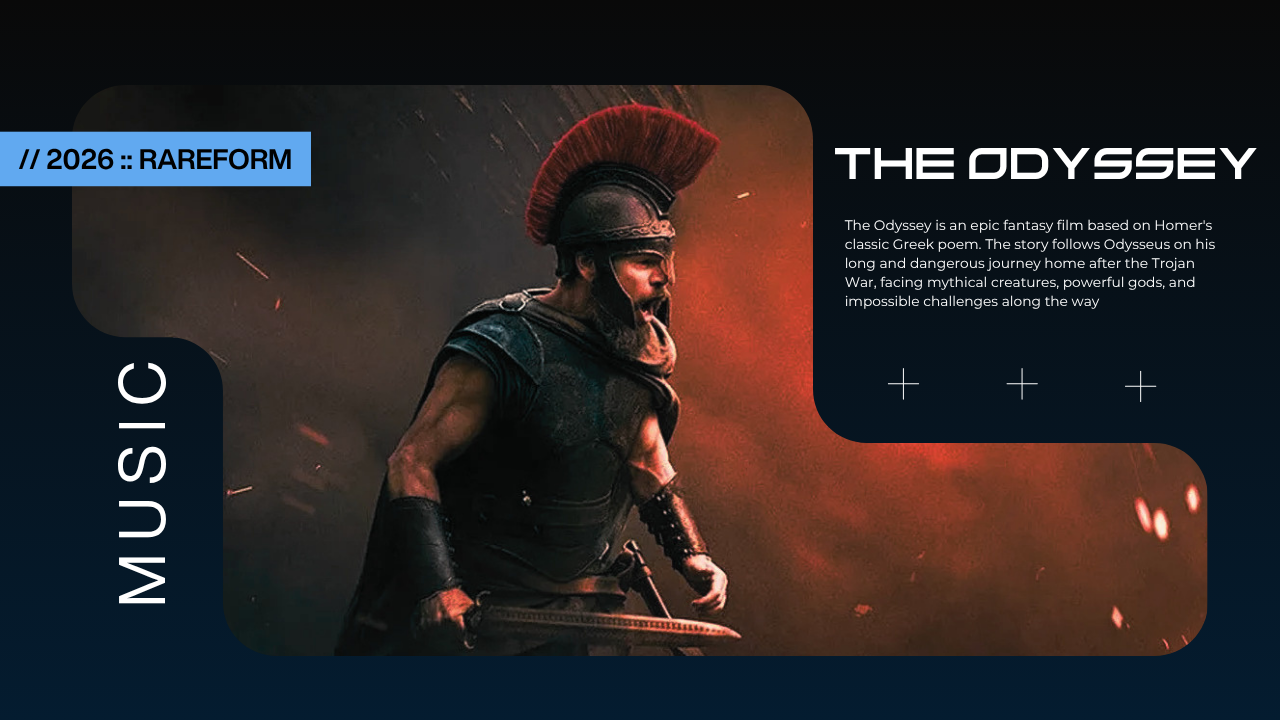
Black Sheep Music x Rareform Audio lands in the world of Christopher Nolan’s The Odyssey, with music featured in the film’s campaign.
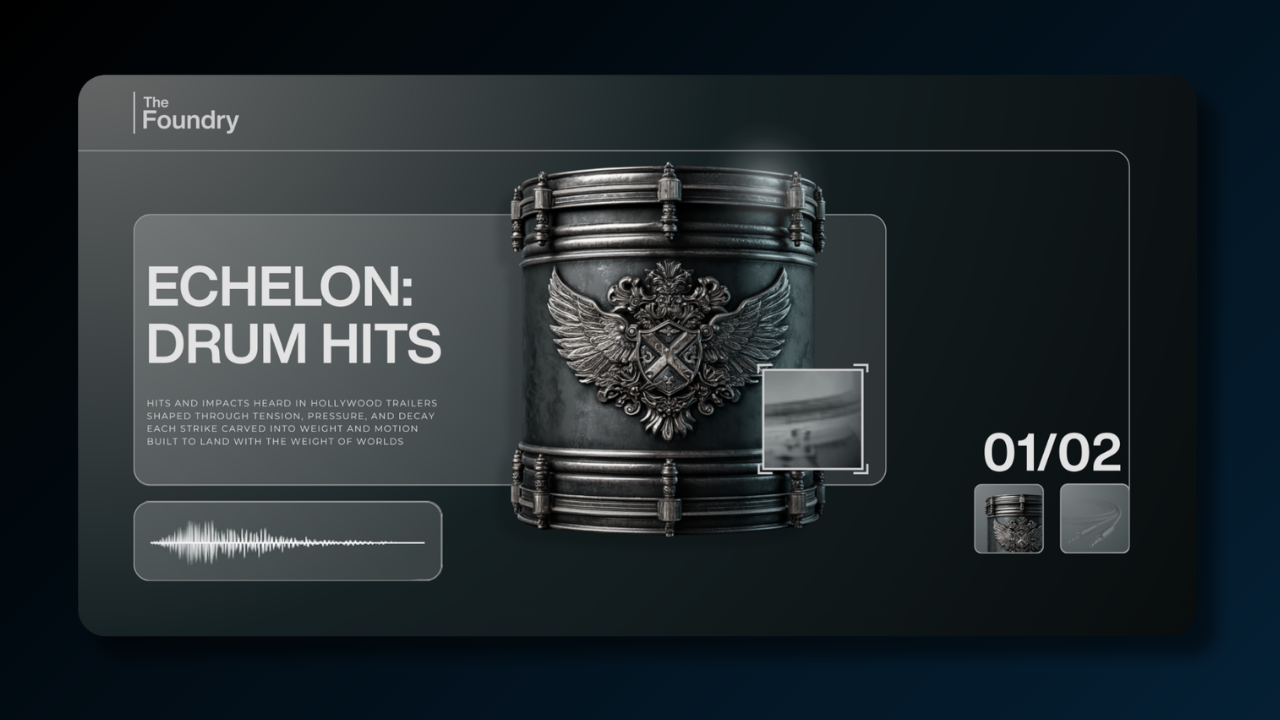
Tools and sounds built from our work in film, TV and trailers, now available for your own productions.

++
Join our Spotify Playlist and vibe with us! Featuring an array of tunes our team has been listening to.
++
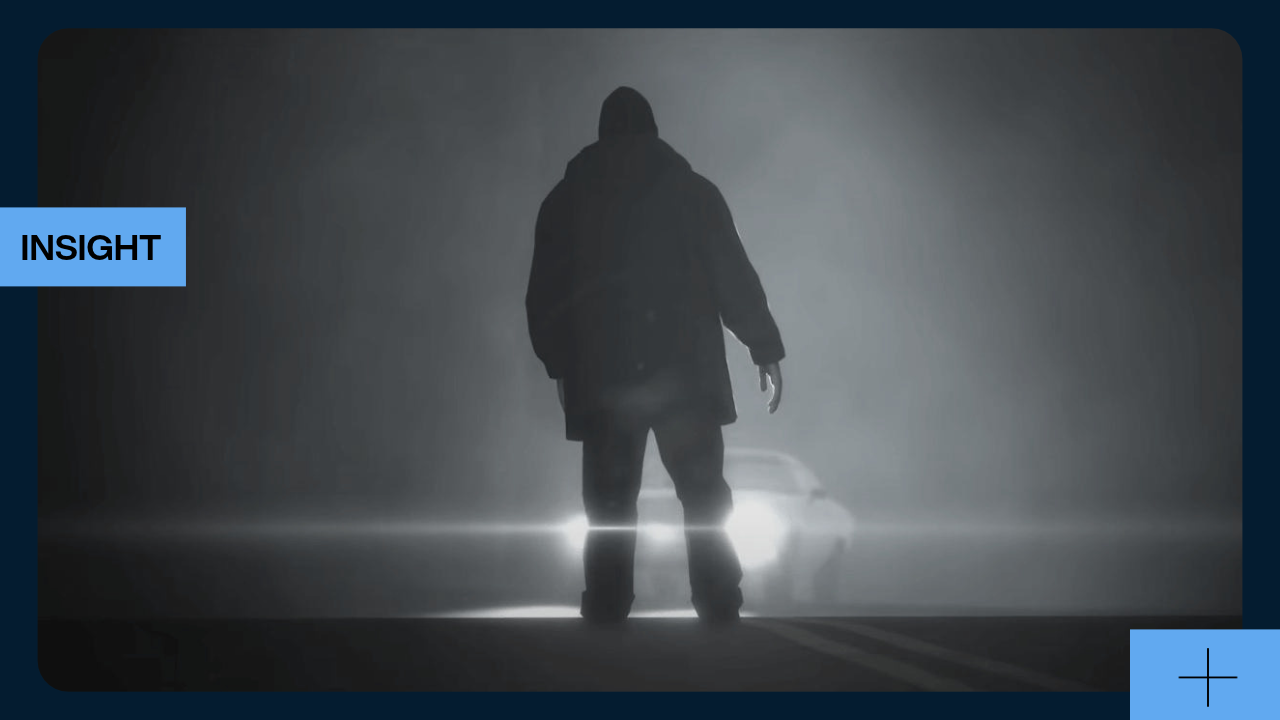
Two tracks can give a trailer the same momentum and leave viewers expecting very different films. The difference lies in how the music frames the characters, the stakes, and the first turn in the story.
A final mix handoff needs more than audio files. Clear references, useful handles, and specific notes help the sound team preserve the decisions that give a music edit its meaning.

A track can sound compelling on its own and still change a scene in the wrong way. Choosing well starts with understanding what the music makes the audience believe.

How do modern composers meet tight deadlines without sacrificing creativity? Explore practical approaches to music production, from efficient DAW workflows to creative decision-making for film, TV, trailers, and advertising.
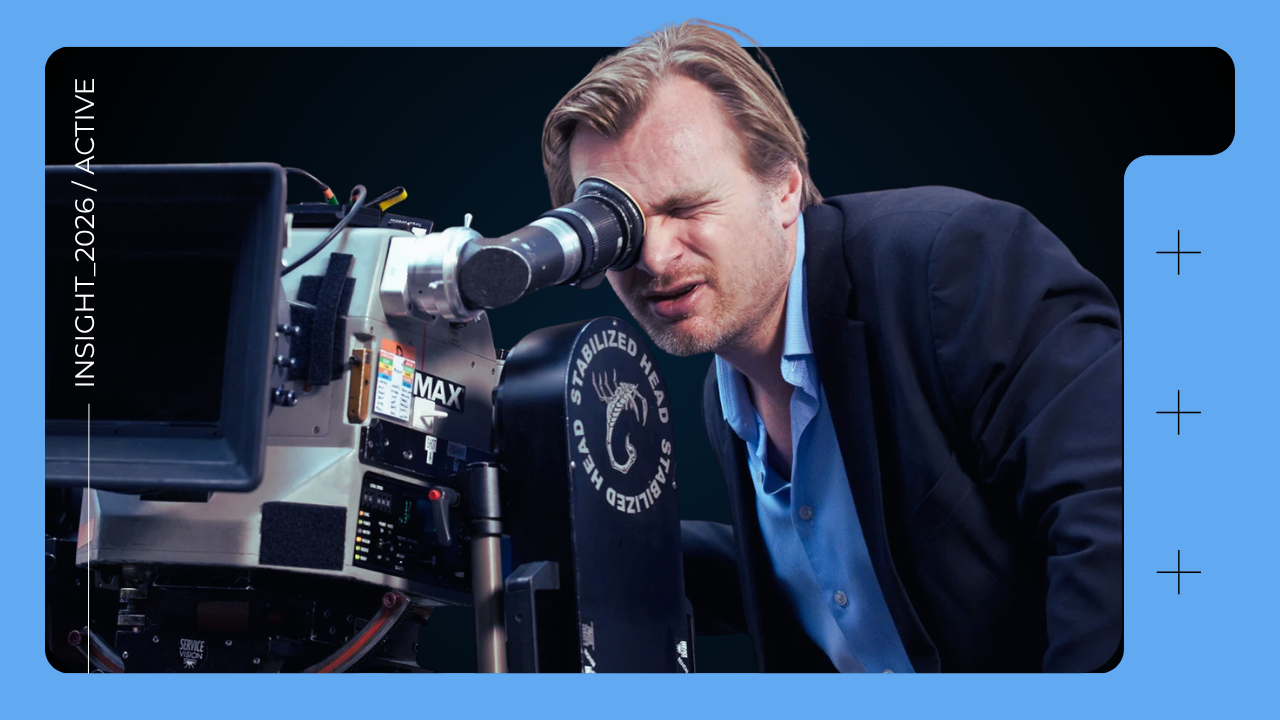
Christopher Nolan’s films show how practical effects and CGI can work together to support storytelling. From the rotating hallway in Inception to the real aircraft crash in Tenet, these scenes demonstrate how physical effects can make extraordinary moments feel more believable.
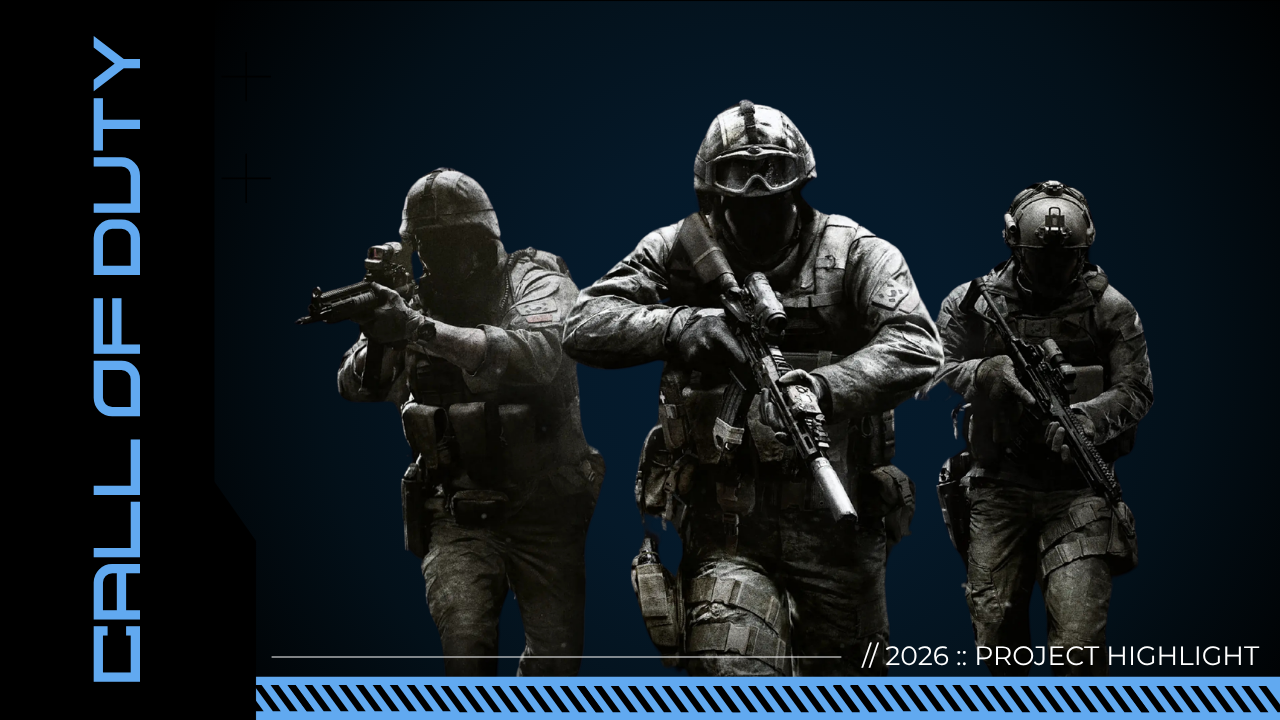
Rareform Audio provided music for the official PC trailer for Call of Duty: Modern Warfare 4, the latest chapter in Activision’s long-running franchise.
A new pilot study finds that music therapy may help reduce immediate cravings and influence emotional processing in people receiving treatment for drug and alcohol addiction. Researchers used EEG recordings and participant assessments to explore how active music-making may support addiction treatment.
Sound design and music are becoming harder to separate in modern movie trailers. From impacts and risers to distorted instruments and tuned sound effects, discover how these two disciplines now work together to shape the trailer experience.
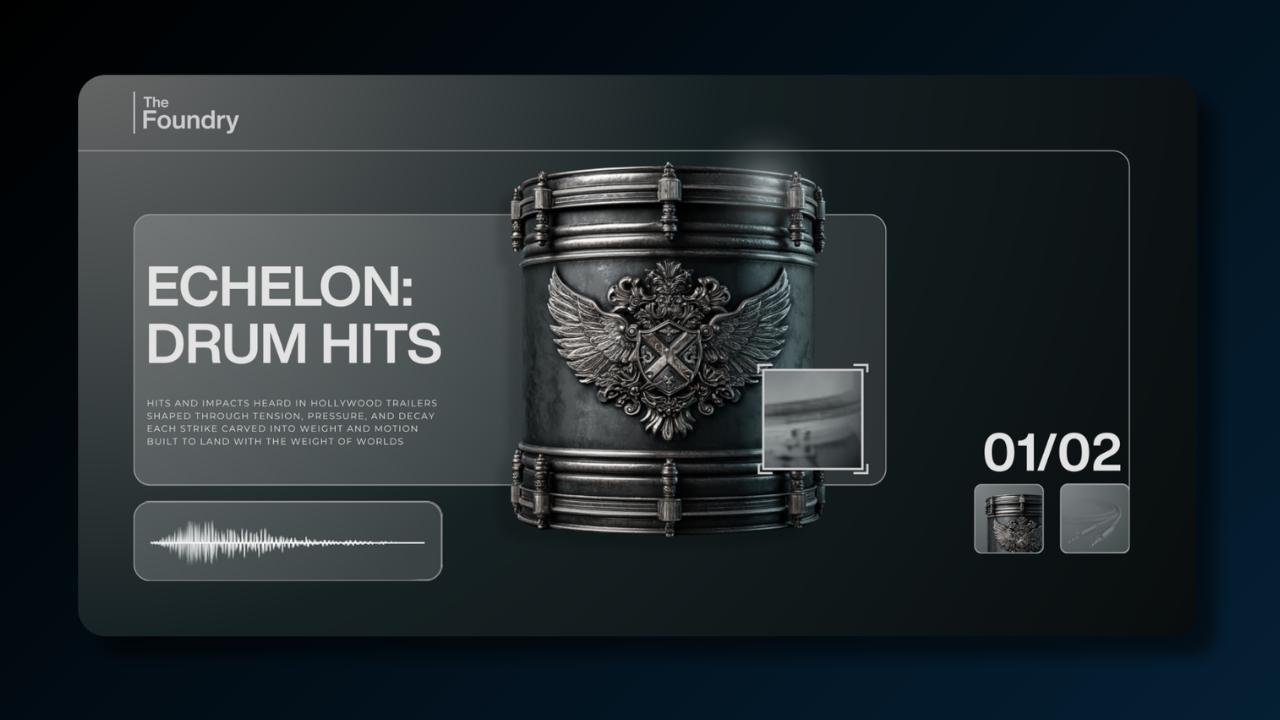
Meet Echelon: Drum Hits, a cinematic percussion instrument built from the hits we use in Hollywood Blockbuster Trailers.
A personal sound palette can help composers develop a more recognizable sonic identity. Learn how to curate sounds, resample your own material, organize your library, and build a palette that supports your creative process.

Nathan Fields’ cover of “Seven Nation Army” was featured in an ESPN College Football spot on Disney+.
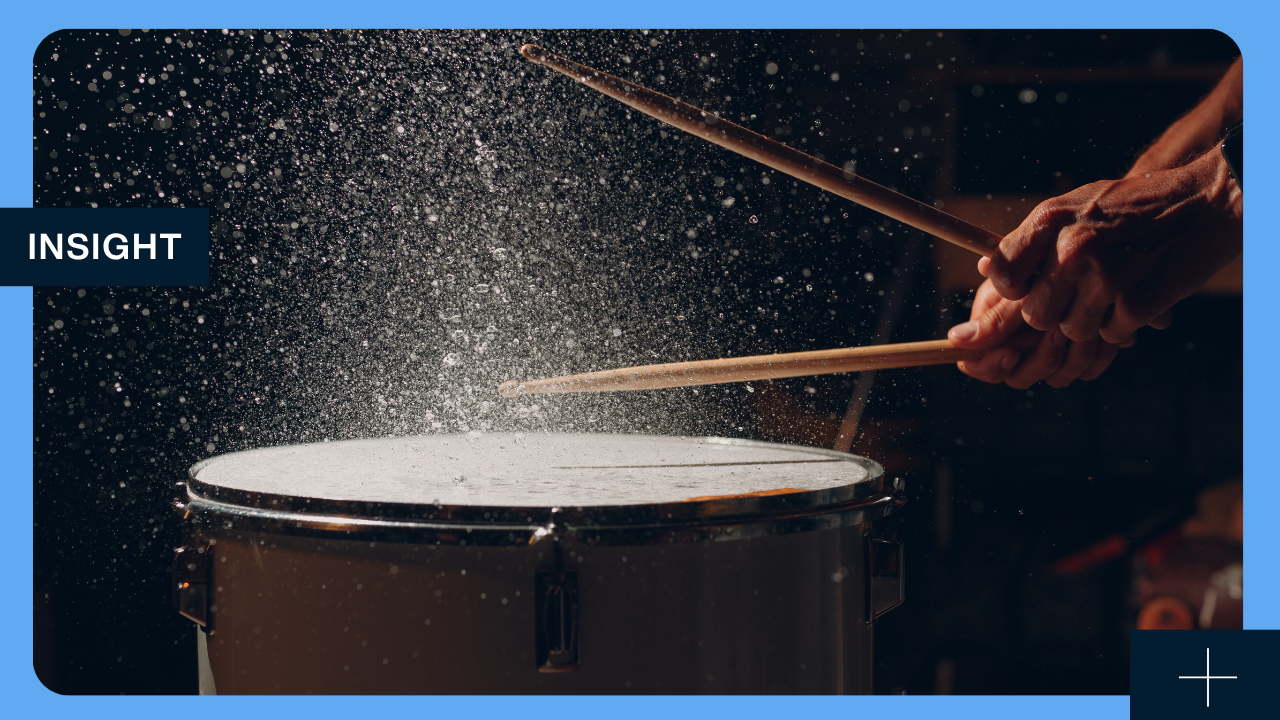
From silent-film trap drummers to massive hybrid trailer impacts, the cinematic drum hit has evolved alongside the technology used to create it. Here’s a look at how percussion became one of the most recognizable sounds in modern trailer production.

Why do some sounds feel cinematic while others feel sterile? Small imperfections can add physical detail, texture, and realism to music and sound design. Here’s how controlled imperfection can make audio feel more connected to the world on screen.

SOCAN is suing AI music company Suno in Canada, alleging the platform copied copyrighted songs without permission or compensation. The case adds to a growing number of legal challenges surrounding AI music, copyright and the use of protected works in AI training.

Sony Music has sued Kroger over at least 392 alleged unauthorized uses of its recordings in social media advertising. Here’s what the lawsuit says about music licensing, influencer content, expired licenses, and the $58.8 million figure circulating online.

Rareform Audio x Black Sheep Music’s track “Pitch Black,” composed by Cade Phillips and Nathan Fields, was featured in the official trailer for “Beware Boiúna.”

Hyped to share that our sound design elements were featured in the campaign for Masters of the Universe!
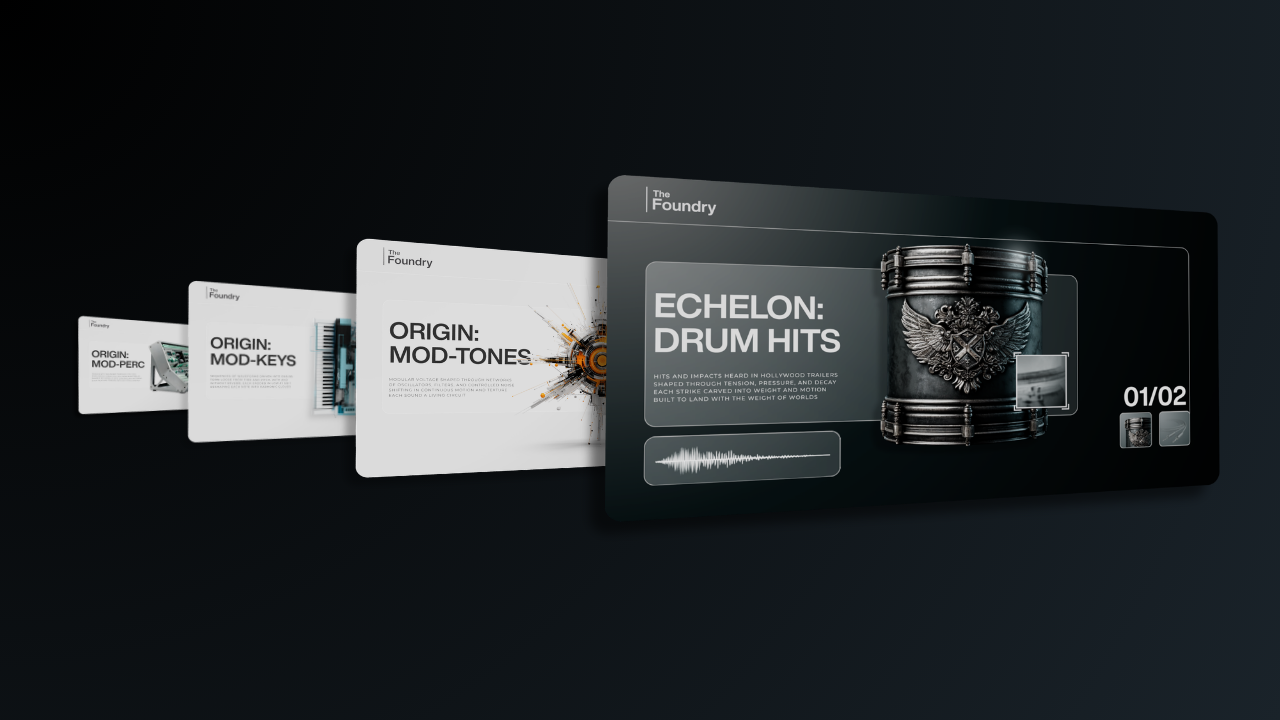
Introducing The Foundry by Rareform Audio, our new line of professional instruments, sounds, and production tools for film composers and record producers. Built from the same sounds, techniques, and real-world experience behind our work across film, trailers, television, video games, and records.

New research from Hong Kong Baptist University suggests that adding 60 to 90 minutes of sleep each night may improve key musical skills, including rhythmic stability, sightreading, and musical memory.

Major record companies are calling for global music charts to establish clearer rules for AI-generated music, with proposed standards centered on human creativity, authorization and legitimate streaming activity.
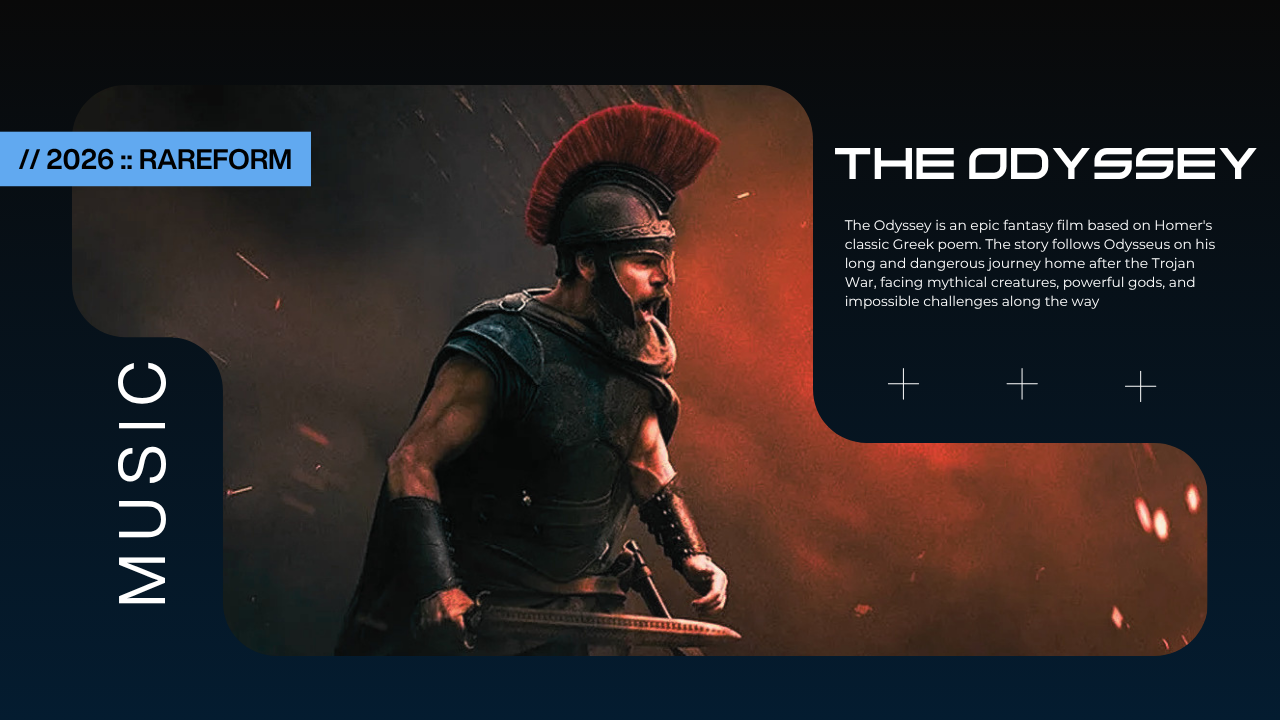
We are hyped to share that our track Ironwake by Trey Anderson and Nathan Fields was featured in the campaign for The Odyssey. Here's a quick look at the upcoming Christopher Nolan film and the legendary story that inspired it.

Lollapalooza 2026 is underway with sold-out crowds, a diverse lineup, and a renewed focus on artist discovery. As one of the world's biggest music festivals, the event continues to highlight how live performances help emerging artists reach new audiences while reinforcing the lasting impact of established acts.
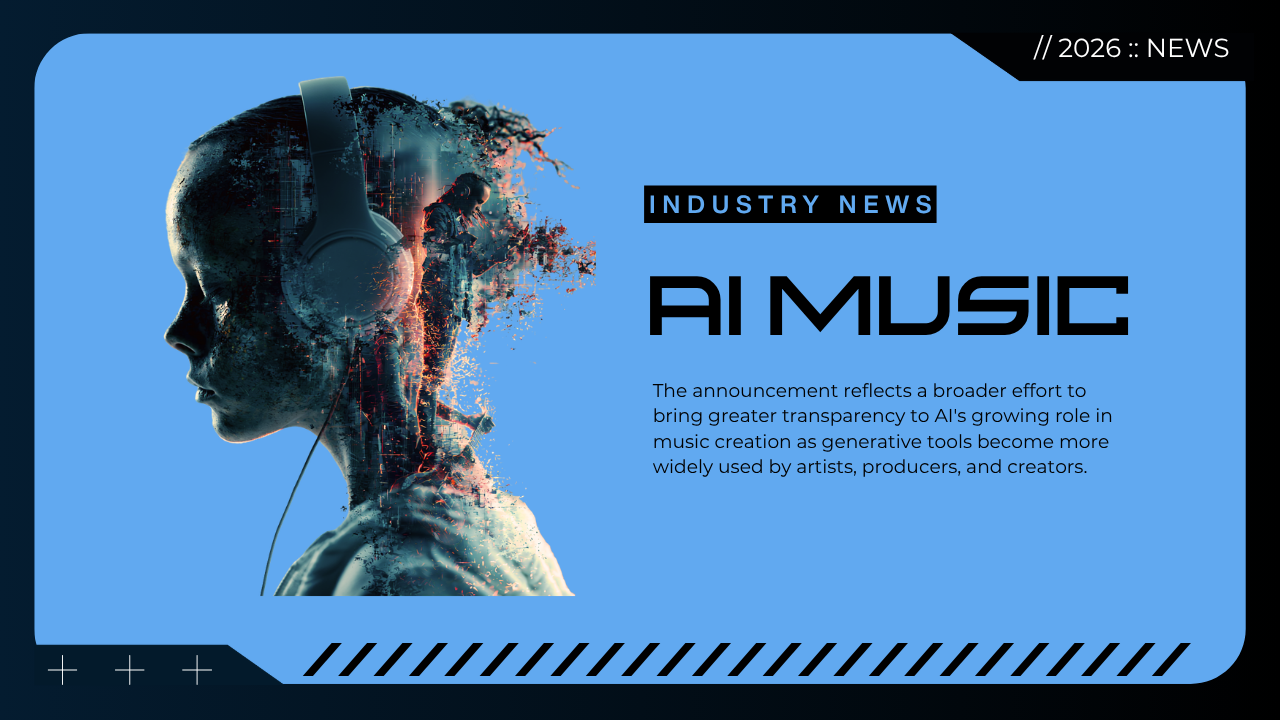
The recorded music industry has introduced a proposal for standardized AI labels on streaming platforms. As AI-generated music continues to grow, the framework aims to improve transparency by distinguishing between fully AI-generated and AI-assisted recordings while raising new questions about implementation and industry-wide adoption.

The 2026 FIFA World Cup is expanding the role of music with its first-ever halftime show, a global soundtrack strategy, and a partnership with the Recording Academy. As music becomes a bigger part of the tournament's identity, the event highlights the growing connection between the music industry and major international sports.

Our remix of KRS-One's Step Into A World, created by Haukur Karlsson and Nathan Fields, is featured in Trailer 2 for Mutiny. Take a look at the project and learn more about the upcoming action thriller starring Jason Statham.
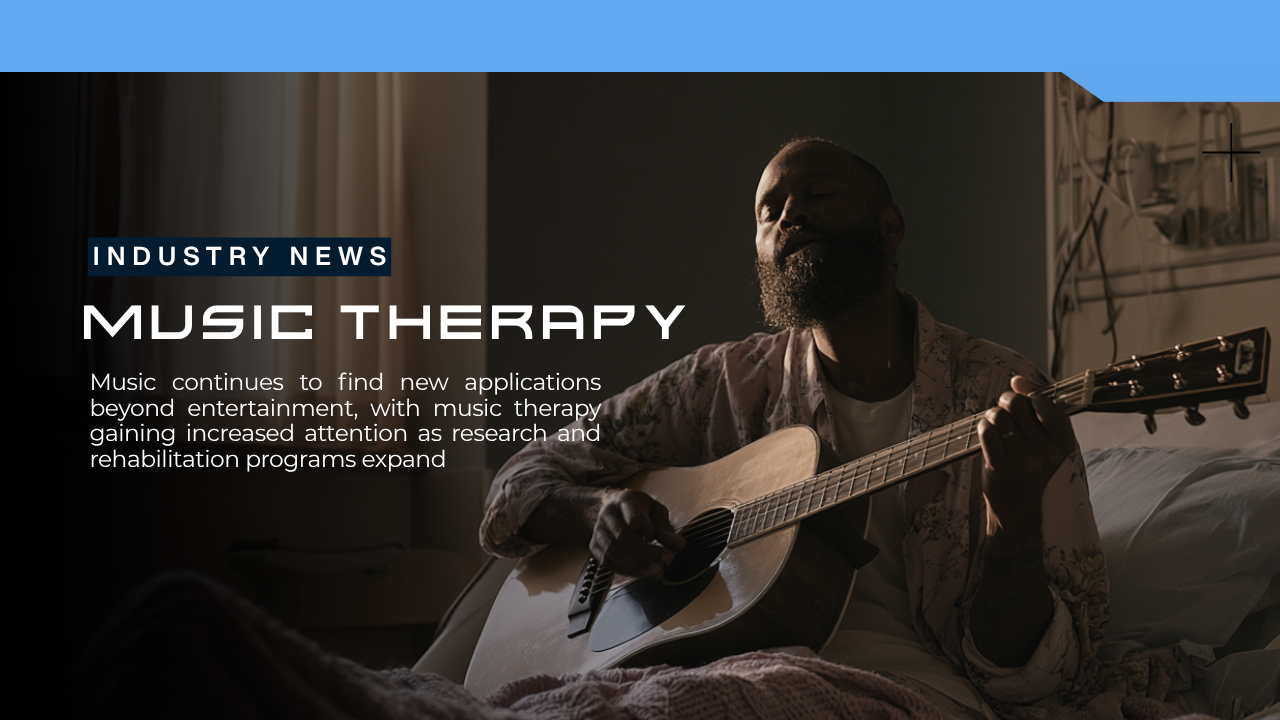
Music therapy continues to gain recognition as research highlights its role in neurological rehabilitation. New clinical programs and emerging technology are expanding how music supports recovery, reinforcing its growing impact beyond the entertainment industry.

John Denver's "Take Me Home, Country Roads" has become the unofficial anthem of the U.S. men's national soccer team during the FIFA Club World Cup. Here's how the 1971 classic found new life and why legacy songs continue to resonate with audiences around the world.
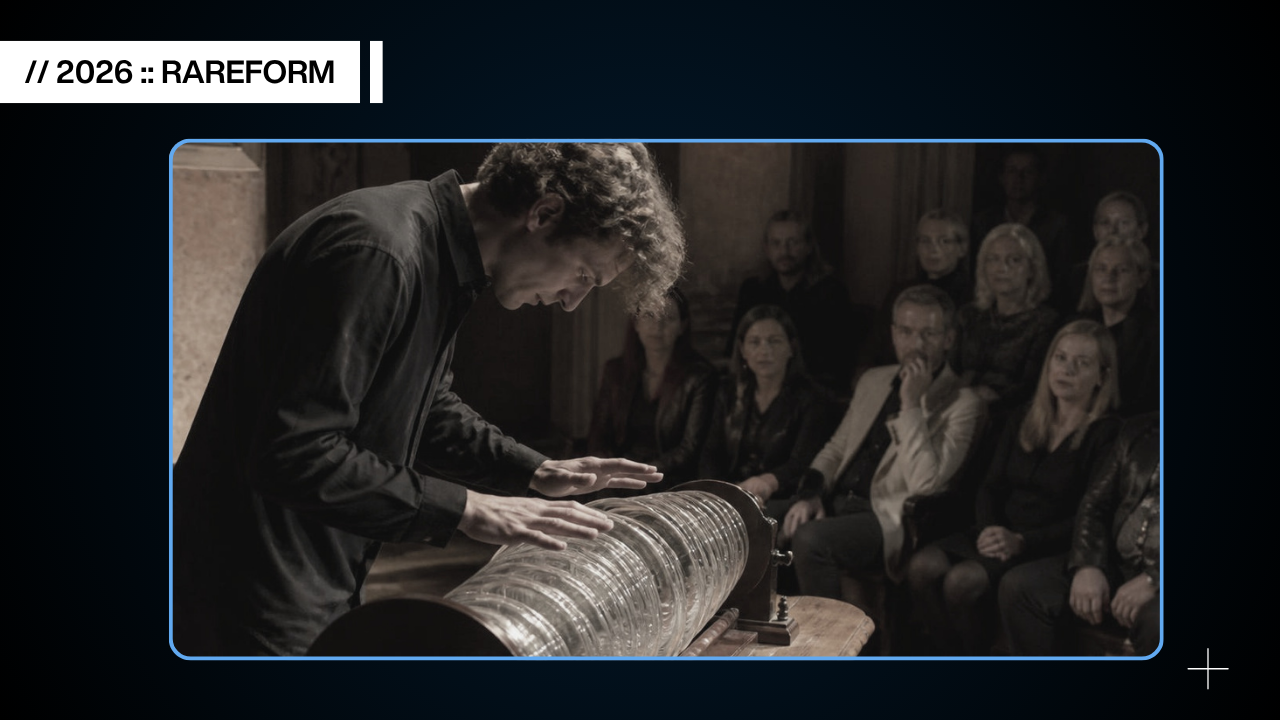
Benjamin Franklin's glass armonica earned a reputation as one of history's most mysterious musical instruments. From inspiring classical composers to fueling myths about its effects on the mind, its story reveals how unique sounds continue to shape music, perception, and creativity.

Hyped to share that our tracks “Bomb Squad” by Darby Phillips and Nathan Fields, along with “Ambush” by Nathan Fields, were featured in campaigns for Call of Duty: Black Ops 7. From Warzone to the Season 03 Multiplayer Maps campaign, both spots delivered the fast paced energy the franchise is known for.

AI-generated music is filling streaming platforms faster than ever, but new research suggests listeners aren't embracing it. A University of Chicago study found that while AI tracks now make up a significant share of new uploads, the vast majority receive little to no engagement. Here's what the data reveals about music discovery, streaming, and the future of AI in the music industry.