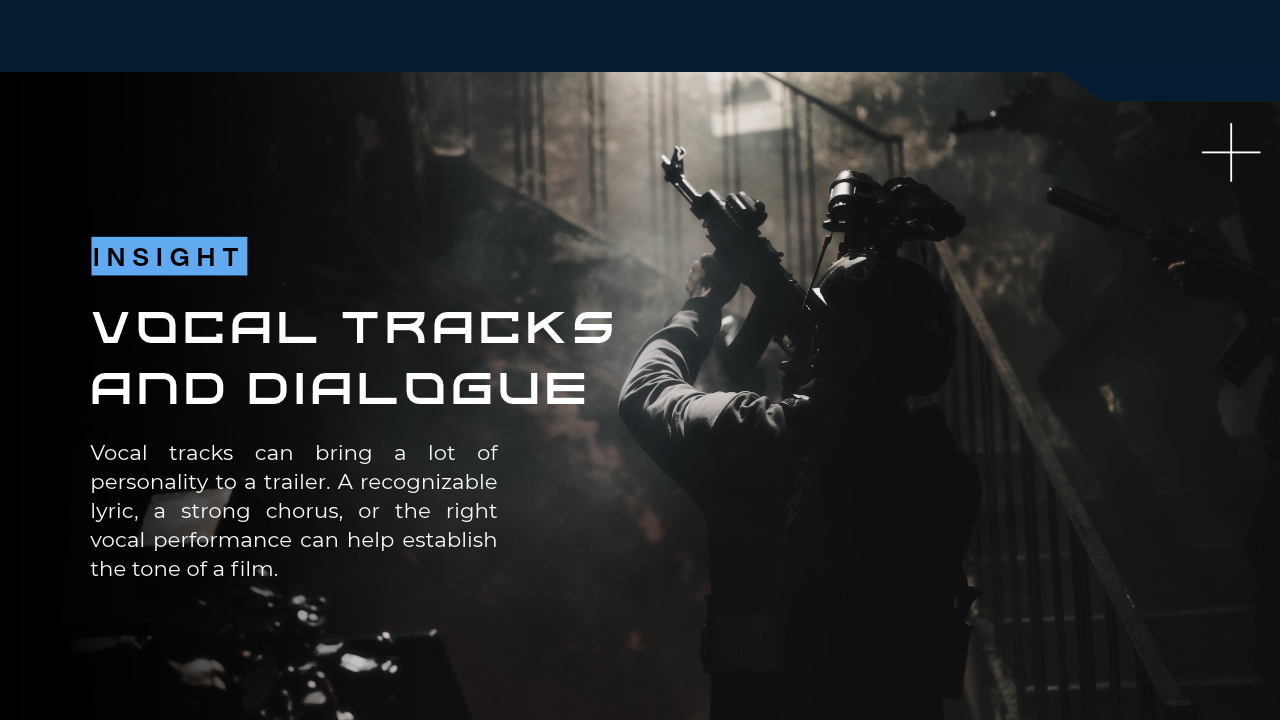
Vocal tracks can bring a lot of personality to a trailer. A recognizable lyric, a strong chorus, or the right vocal performance can help establish the tone of a film.
But when a trailer contains a lot of dialogue, working with vocal tracks becomes a little more complicated.
Both spoken dialogue and sung vocals compete for the listener's attention, especially when they're happening at the same time. If the music is too prominent, important lines can become difficult to understand. On the other hand, pulling the music back too much can take away some of the energy that made the track appealing in the first place.
So how do you make both work together?
A lot comes down to how the music is arranged, edited, and mixed around the dialogue.
Give Dialogue and Vocals Their Own Moments
Timing is one of the biggest factors when working with vocal music in trailers.
Rather than letting lyrics run continuously beneath spoken dialogue, editors can structure the music so each has its moment.
For example, a trailer might begin with character dialogue over an instrumental section, then introduce the lead vocal as the scene transitions into an action sequence or montage.
When another important line comes in, the sung vocal can drop out temporarily while the instrumental continues underneath.
Even small adjustments can help. Moving a vocal phrase slightly later, shortening a section, or leaving a brief musical gap before a key line can make the dialogue easier to follow.
It's also worth paying attention to the lyrics themselves. A recognizable hook or memorable phrase can draw attention away from what a character is saying, even when the vocal isn't particularly loud.
Planning where those lyrics appear can help avoid unnecessary overlap before getting into the mixing stage.
Work With Instrumentals and Music Stems
Having access to different versions of a track makes editing around dialogue much easier.
Instrumental versions are particularly useful because they allow the music to continue without introducing additional lyrics.
Stems provide even more flexibility by separating elements such as lead vocals, drums, bass, and other instruments.
For example, an editor might keep the drums and bass playing beneath a conversation, then bring the lead vocal and remaining instruments back in once the dialogue ends.
This allows the track to maintain its rhythm without forcing the entire arrangement to compete with the spoken lines.
Sustained vocal harmonies or atmospheric vocal layers can also be useful alternatives to full lyrical sections. Depending on the arrangement, these can preserve some of the original track's character while leaving more space for dialogue.
When licensing music for trailers, requesting instrumental versions, alternate mixes, and available stems early in the process can save time and provide more creative options during the edit.
Use Mixing Techniques to Improve Clarity
Even with careful editing, some overlap between dialogue and sung vocals may be unavoidable.
This is where volume automation, EQ, and other mixing techniques can help.
Volume automation is often a good starting point. Lowering the music's vocal level slightly before a character speaks, then bringing it back after the line finishes, can improve clarity without making the adjustment too noticeable.
For sections with frequent dialogue, sidechain compression can automate some of these changes by reducing the sung vocal's level whenever dialogue is present. However, manual adjustments may still be needed to keep the transitions sounding natural.
EQ is another useful tool, particularly because spoken dialogue and sung vocals share much of the same frequency range.
Speech intelligibility is often associated with frequencies around 1 kHz to 4 kHz, although the exact range varies depending on the voice and recording.
Making small EQ adjustments to the music in areas where it competes with dialogue can help the spoken words come through more clearly.
Dynamic EQ can be especially useful because it allows those adjustments to happen only when needed, rather than permanently changing the sound of the track.
Stereo placement can also help create separation. Dialogue typically remains centered, while backing vocals and atmospheric elements can be positioned wider in the mix. It's important to check the result in mono as well, since stereo separation won't always translate to every playback system.
The main thing to remember is that these adjustments don't need to be extreme. Often, a few carefully placed changes are more effective than heavily processing the entire vocal track.
Vocal-Driven Music in Trailers: Mutiny
A recent project we worked on that relates to this topic is the trailer for Lionsgate's Mutiny.
Our remix of KRS-One's "Step Into a World," created by Haukur Karlsson and Nathan Fields, was featured in the trailer.
It's an example of bringing a vocal-driven track into an action trailer, where the music becomes part of an edit that also includes dialogue, sound design, and scene transitions.
With tracks that feature recognizable lyrics, finding the right moments for the vocals is an important consideration. The arrangement and available music elements can give editors more flexibility when fitting a track into the overall trailer.
Final Thoughts
Working with vocal tracks in dialogue-heavy trailers requires a combination of thoughtful editing and mixing.
Starting with the arrangement, using instrumental versions when needed, and making targeted adjustments to the mix can help keep dialogue understandable while preserving the character of the song.
The right approach will depend on the track and the trailer, but making these decisions early can make the editing process much easier.
Let’s Collaborate!
Need help building the tone for your production? Hit us up – the Rareform Audio team would love to help you create the perfect soundtrack that speaks to your audience and enhances the power of your visual storytelling to new heights!
A weekly glimpse into the world of music & media with insider news, sync licensing opportunities, creative insight, and discussions.
++
Rareform Highlights
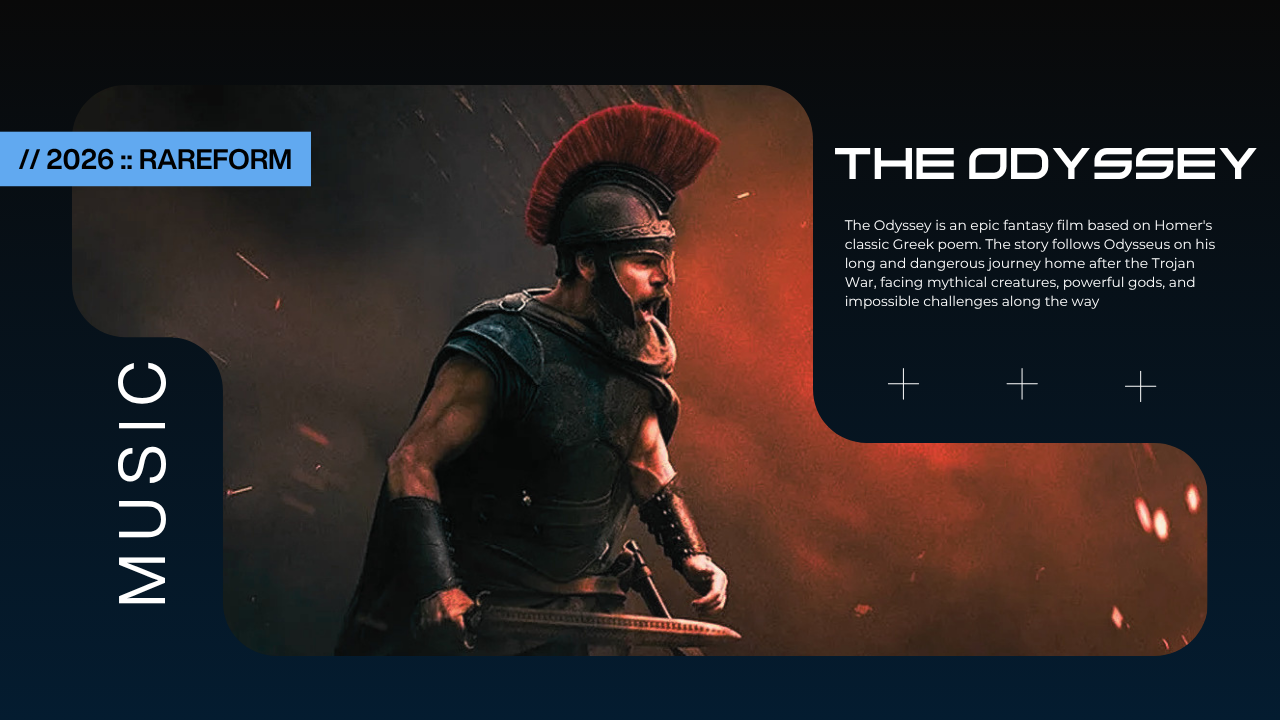
Black Sheep Music x Rareform Audio lands in the world of Christopher Nolan’s The Odyssey, with music featured in the film’s campaign.
Tools and sounds built from our work in film, TV and trailers, now available for your own productions.
++
Join our Spotify Playlist and vibe with us! Featuring an array of tunes our team has been listening to.
++
Black Sheep Music contributed music and sound design to 22 campaigns nominated at the 2026 Clio Entertainment Awards, including The Odyssey, Project Hail Mary, TRON: Ares, and The Secret Agent.
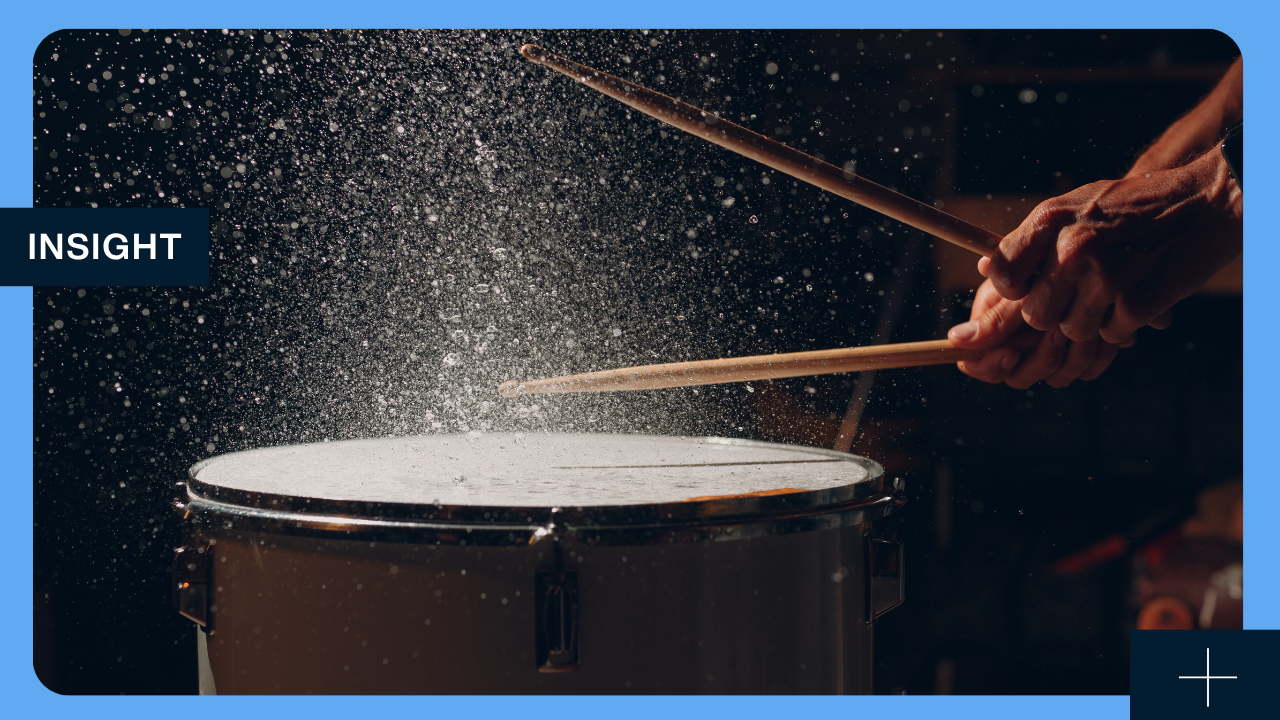
Working with vocal tracks in dialogue-heavy trailers can be tricky. From music stems and arrangement to EQ and volume automation, here are a few practical ways to keep dialogue clear without losing the energy of the track.
Check out the official Rareform Audio YouTube channel! Explore our music, sound design, projects, and more from across Rareform Audio. Subscribe to stay up to date with our latest releases!
From full trailers to fifteen-second spots, keeping a campaign’s musical identity intact means knowing what to preserve and what to reshape.
Two tracks can give a trailer the same momentum and leave viewers expecting very different films. The difference lies in how the music frames the characters, the stakes, and the first turn in the story.
A final mix handoff needs more than audio files. Clear references, useful handles, and specific notes help the sound team preserve the decisions that give a music edit its meaning.
A track can sound compelling on its own and still change a scene in the wrong way. Choosing well starts with understanding what the music makes the audience believe.
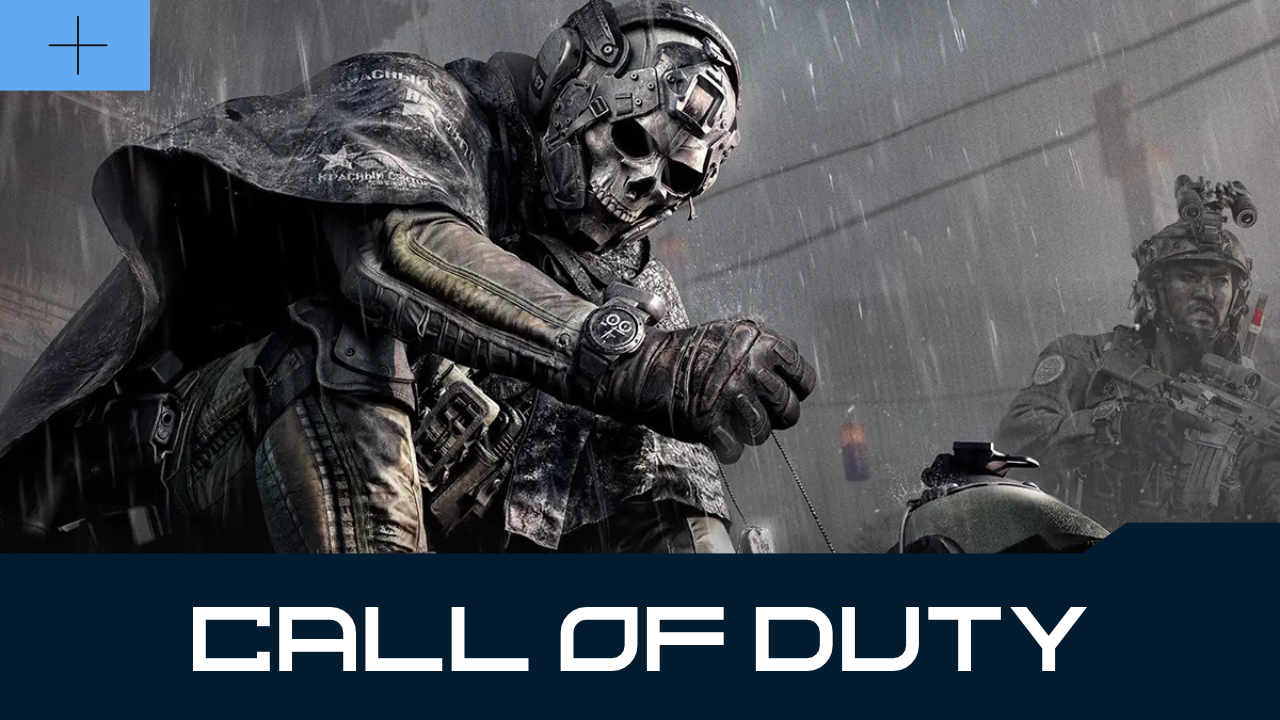
Back in the Call of Duty world! Our track “Biohazard,” composed by Cade Phillips and Nathan Fields, was featured in the DMZ Early Access Gameplay Trailer, highlighting the action and intensity of Call of Duty's extraction-based game mode.
How do modern composers meet tight deadlines without sacrificing creativity? Explore practical approaches to music production, from efficient DAW workflows to creative decision-making for film, TV, trailers, and advertising.
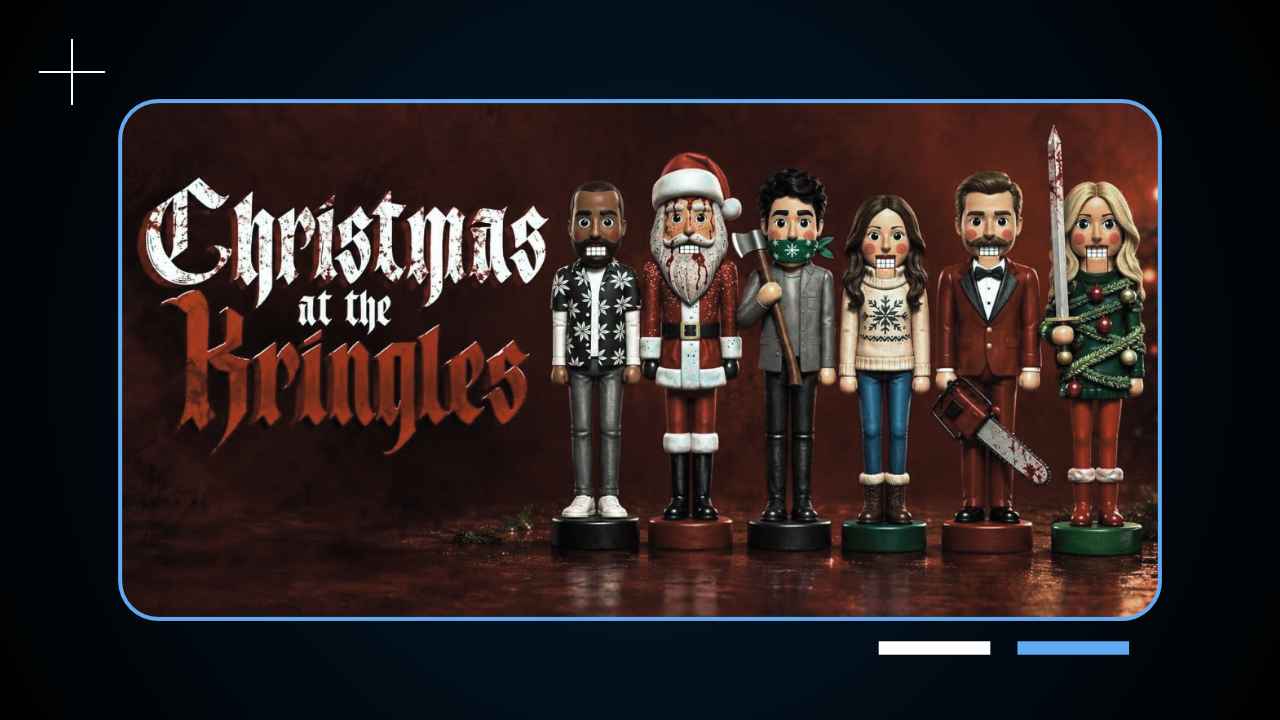
The City of Prague Philharmonic Orchestra’s recording of “Joy to the World,” remixed by Cade Phillips and Nathan Fields, was featured in the teaser trailer for the upcoming holiday horror-comedy Christmas at the Kringles!
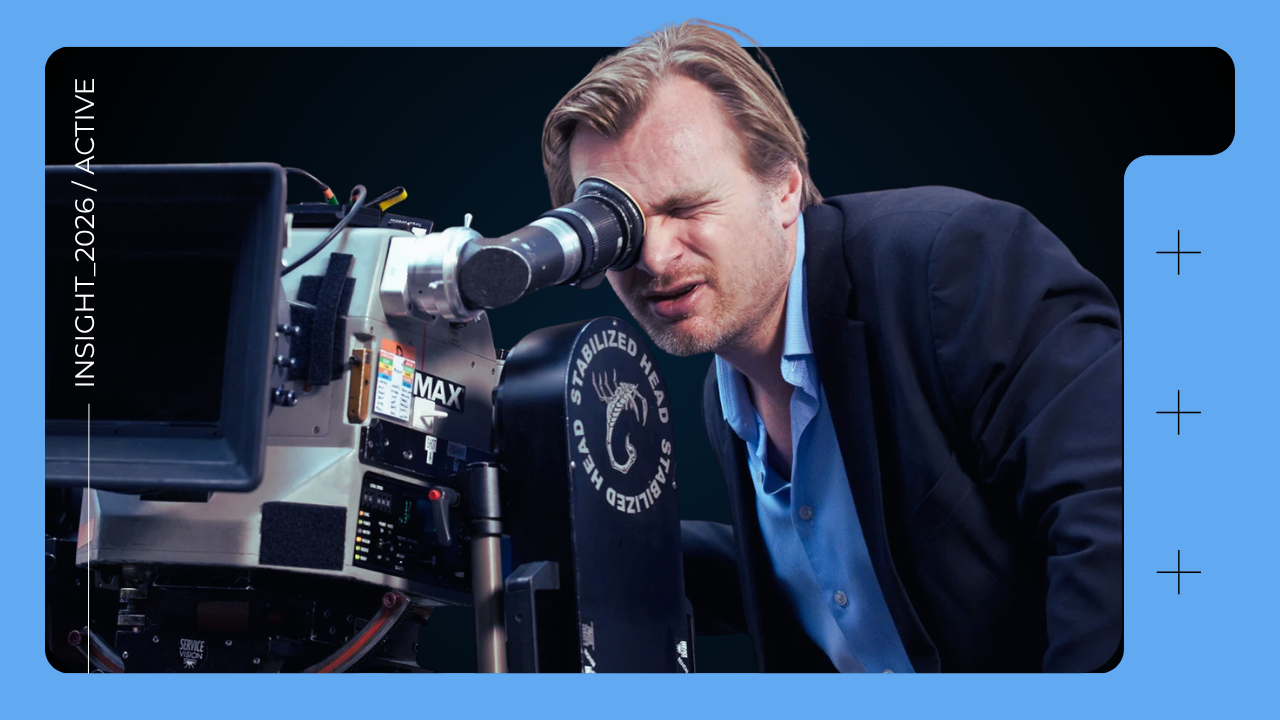
Christopher Nolan’s films show how practical effects and CGI can work together to support storytelling. From the rotating hallway in Inception to the real aircraft crash in Tenet, these scenes demonstrate how physical effects can make extraordinary moments feel more believable.
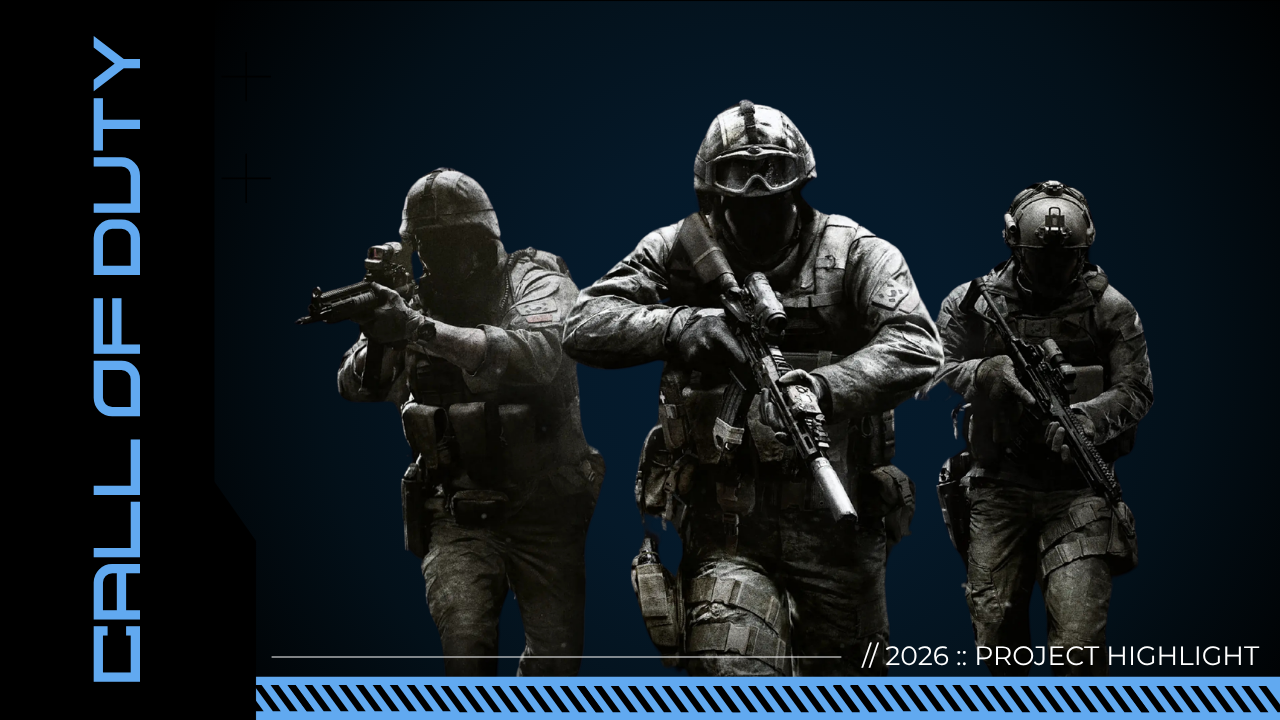
Rareform Audio provided music for the official PC trailer for Call of Duty: Modern Warfare 4, the latest chapter in Activision’s long-running franchise.
A new pilot study finds that music therapy may help reduce immediate cravings and influence emotional processing in people receiving treatment for drug and alcohol addiction. Researchers used EEG recordings and participant assessments to explore how active music-making may support addiction treatment.
Sound design and music are becoming harder to separate in modern movie trailers. From impacts and risers to distorted instruments and tuned sound effects, discover how these two disciplines now work together to shape the trailer experience.
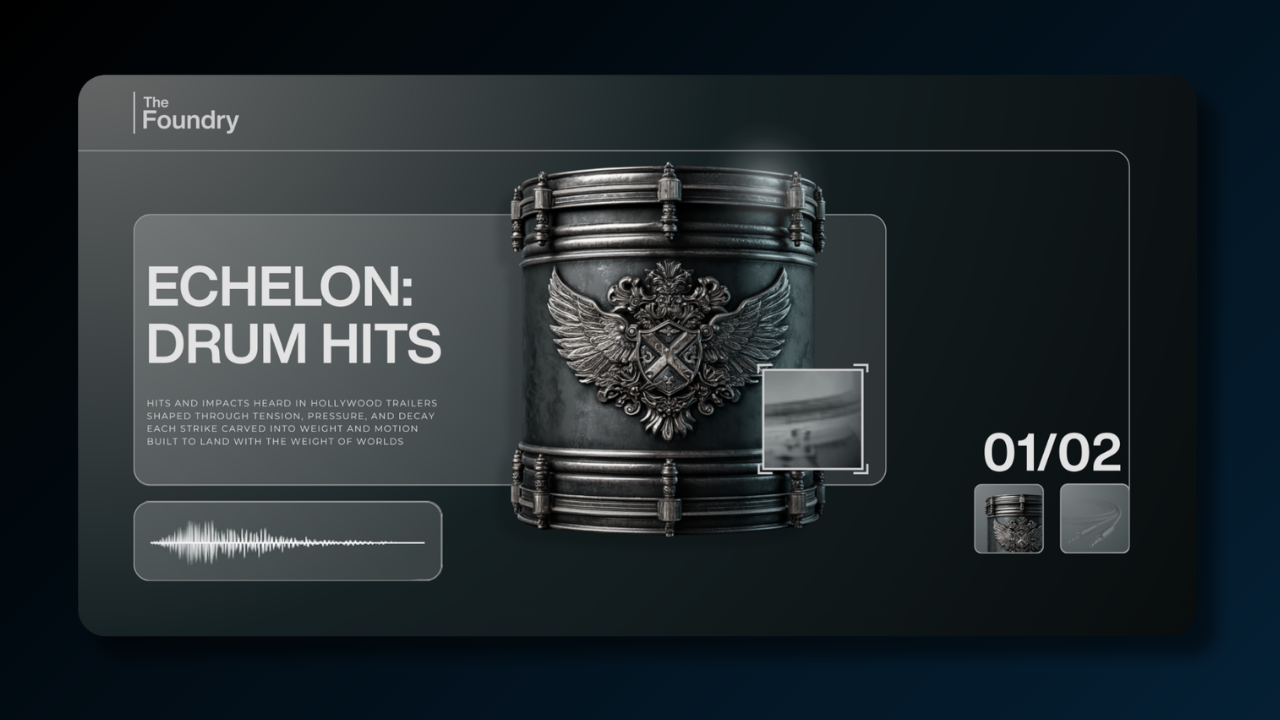
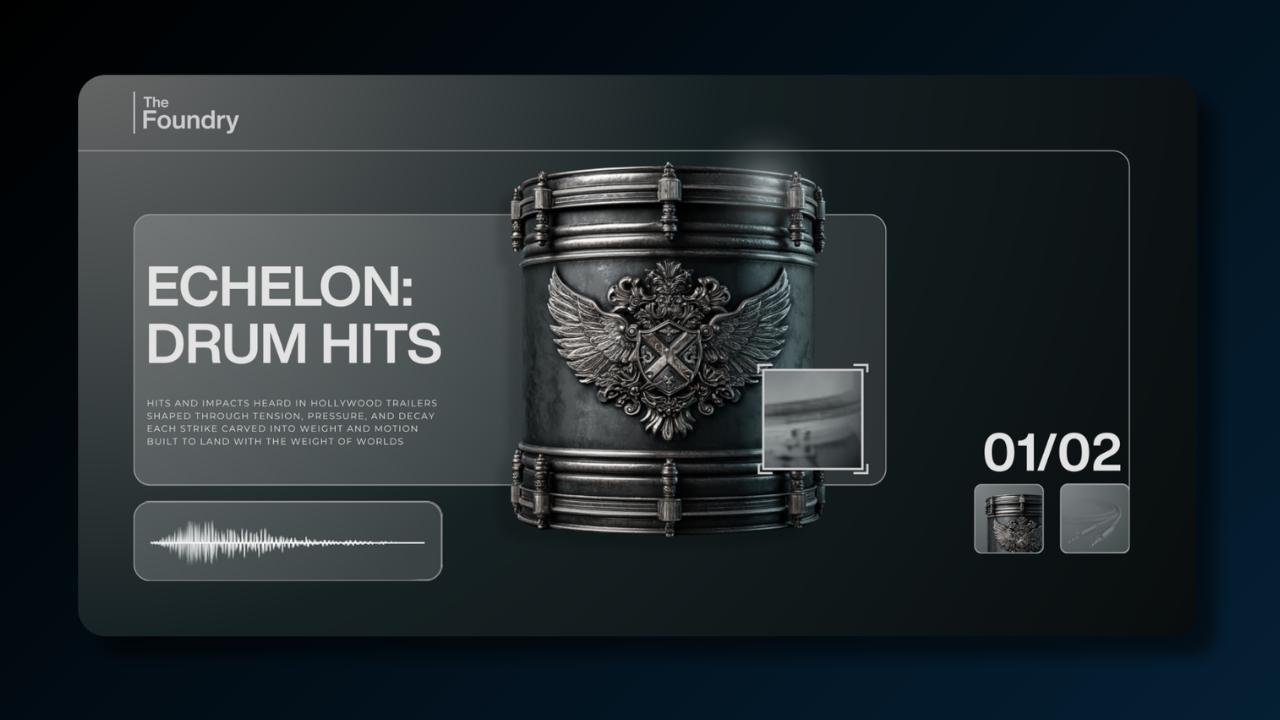
Meet Echelon: Drum Hits, a cinematic percussion instrument built from the hits we use in Hollywood Blockbuster Trailers.
A personal sound palette can help composers develop a more recognizable sonic identity. Learn how to curate sounds, resample your own material, organize your library, and build a palette that supports your creative process.
Nathan Fields’ cover of “Seven Nation Army” was featured in an ESPN College Football spot on Disney+.
From silent-film trap drummers to massive hybrid trailer impacts, the cinematic drum hit has evolved alongside the technology used to create it. Here’s a look at how percussion became one of the most recognizable sounds in modern trailer production.
Why do some sounds feel cinematic while others feel sterile? Small imperfections can add physical detail, texture, and realism to music and sound design. Here’s how controlled imperfection can make audio feel more connected to the world on screen.
SOCAN is suing AI music company Suno in Canada, alleging the platform copied copyrighted songs without permission or compensation. The case adds to a growing number of legal challenges surrounding AI music, copyright and the use of protected works in AI training.
Sony Music has sued Kroger over at least 392 alleged unauthorized uses of its recordings in social media advertising. Here’s what the lawsuit says about music licensing, influencer content, expired licenses, and the $58.8 million figure circulating online.
Rareform Audio x Black Sheep Music’s track “Pitch Black,” composed by Cade Phillips and Nathan Fields, was featured in the official trailer for “Beware Boiúna.”
Hyped to share that our sound design elements were featured in the campaign for Masters of the Universe!
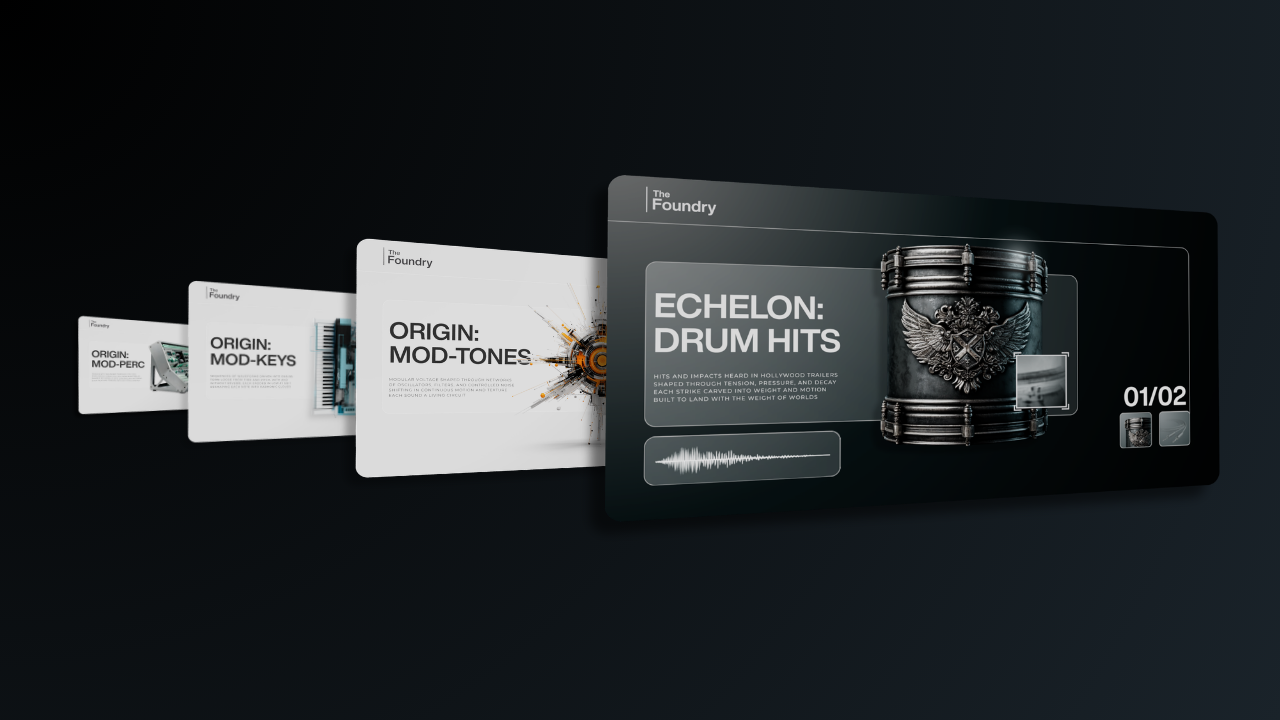
Introducing The Foundry by Rareform Audio, our new line of professional instruments, sounds, and production tools for film composers and record producers. Built from the same sounds, techniques, and real-world experience behind our work across film, trailers, television, video games, and records.
New research from Hong Kong Baptist University suggests that adding 60 to 90 minutes of sleep each night may improve key musical skills, including rhythmic stability, sightreading, and musical memory.
Major record companies are calling for global music charts to establish clearer rules for AI-generated music, with proposed standards centered on human creativity, authorization and legitimate streaming activity.
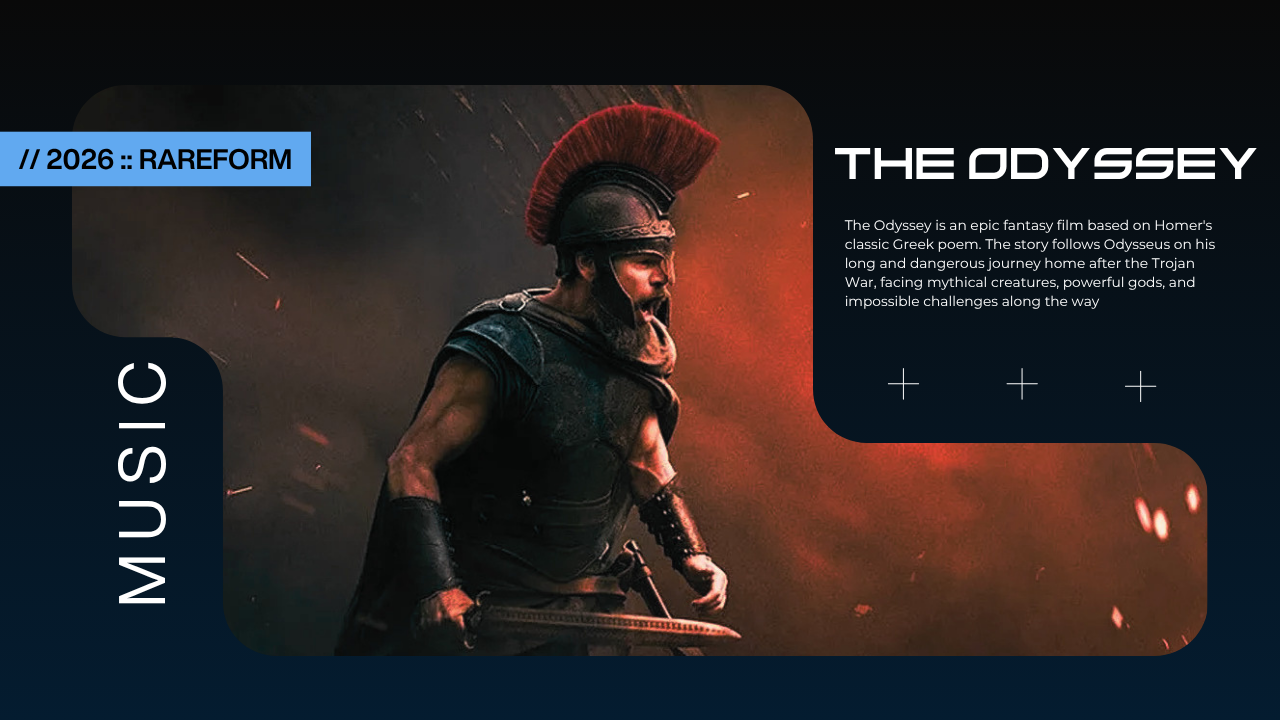
We are hyped to share that our track Ironwake by Trey Anderson and Nathan Fields was featured in the campaign for The Odyssey. Here's a quick look at the upcoming Christopher Nolan film and the legendary story that inspired it.
Lollapalooza 2026 is underway with sold-out crowds, a diverse lineup, and a renewed focus on artist discovery. As one of the world's biggest music festivals, the event continues to highlight how live performances help emerging artists reach new audiences while reinforcing the lasting impact of established acts.
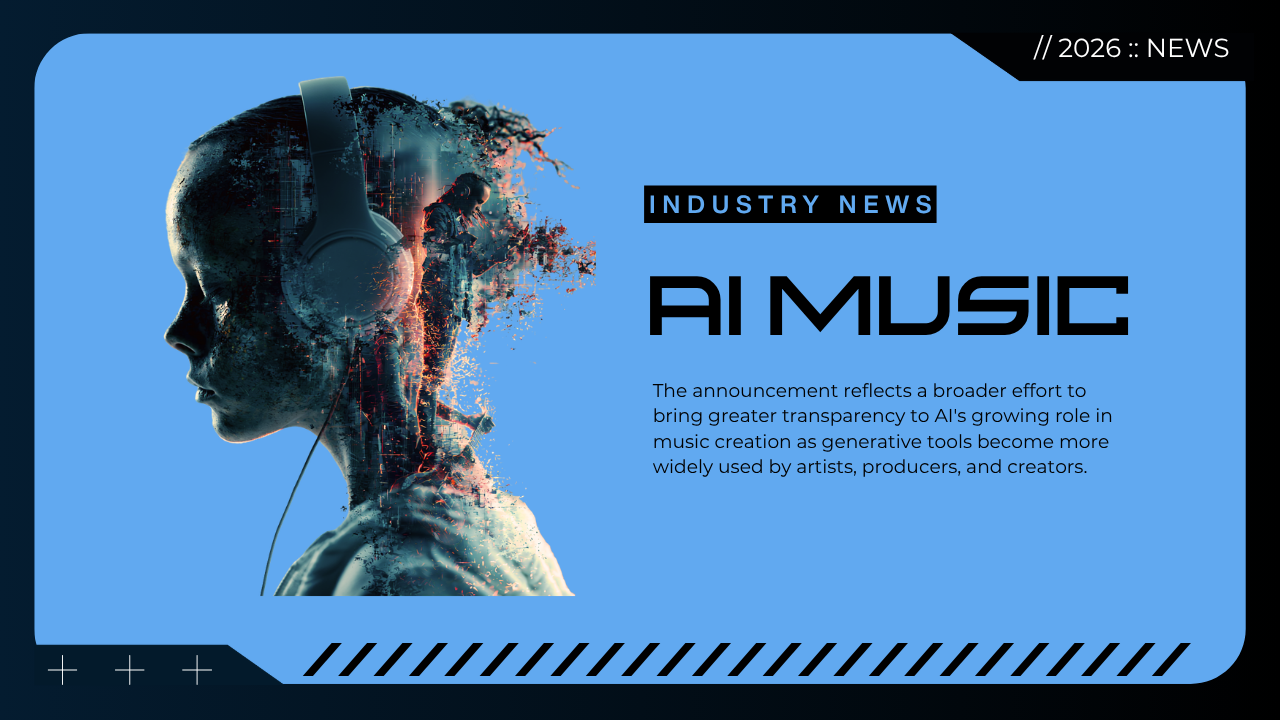
The recorded music industry has introduced a proposal for standardized AI labels on streaming platforms. As AI-generated music continues to grow, the framework aims to improve transparency by distinguishing between fully AI-generated and AI-assisted recordings while raising new questions about implementation and industry-wide adoption.
The 2026 FIFA World Cup is expanding the role of music with its first-ever halftime show, a global soundtrack strategy, and a partnership with the Recording Academy. As music becomes a bigger part of the tournament's identity, the event highlights the growing connection between the music industry and major international sports.