The Untold Stories Behind Your Favorite Christmas Songs
Christmas might officially fall on December 25th, but the holiday season starts much earlier for most of us, especially when it comes to the music. The airwaves and store speakers are filled with festive tunes long before the day itself, spreading holiday cheer with every note. Yet, behind the jolly melodies and cheerful lyrics lie stories that are often anything but merry. Many of the most beloved Christmas songs have origins that are deeply rooted in personal, historical, or even tragic circumstances.
Let’s explore the surprising backstories behind some of the most iconic Christmas carols.
"Rudolph the Red-Nosed Reindeer"
What started as a simple promotional character for a department store became one of the most famous Christmas songs of all time. In 1939, Robert L. May, a copywriter at Montgomery Ward, created Rudolph for the store's annual Christmas coloring booklet.
May's inspiration came from his own life—his daughter’s love for deer and his personal experiences of feeling like an outsider as a child. Rudolph’s story didn’t become a global sensation until a decade later when May’s brother-in-law, Johnny Marks, composed the musical version that Gene Autry recorded. The song topped the charts in 1949 and has been a holiday staple ever since.
"Do You Hear What I Hear?"
This classic carol, often thought of as a simple Christmas song, was actually born out of a plea for peace during the Cuban Missile Crisis in October 1962. Songwriters Nöel Regney and Gloria Shayne, a husband-and-wife duo, penned the song amid fears of nuclear war.
The lyrics “Pray for peace, people everywhere” resonate with the anxiety of the era, and the line “A star, a star, dancing in the night” was a subtle nod to the looming threat of nuclear conflict. Despite its somber beginnings, the song has become a symbol of hope and peace during the holiday season.
"Silent Night"
One of the most peaceful and serene Christmas carols, Silent Night has its roots in a moment of desperation. In 1818, Joseph Mohr, a priest at St. Nicholas Church in Oberndorf, Austria, found himself without a functioning organ just before Christmas. Determined to create a special moment for his congregation, he turned to an old poem he had written to celebrate the end of the Napoleonic Wars. Mohr asked a friend, Franz Xaver Gruber, to compose music for the poem, resulting in the timeless carol that was first performed on Christmas Eve in 1818.
Photo Credit: In Mozart's Footsteps
"Little Drummer Boy"
The repetitive “pa-rum-pum-pum-pum” of “Little Drummer Boy” can be traced back to a moment of musical inspiration—or obsession—by American composer Katherine Kennicott Davis. In 1941, Davis was inspired by a French song called “Patapan” and couldn’t get its rhythm out of her head. While trying to nap, the melody and lyrics for Little Drummer Boy came to her, and she quickly penned the song. Though originally titled Carol of the Drum, it was the 1957 rendition by the Jack Halloran Singers that propelled the song to international fame.
"It Came Upon the Midnight Clear"
Like “Do You Hear What I Hear?,” this carol was inspired by the grim realities of war. Written in 1849 by Unitarian minister Edmund Sears, the song reflects on the revolution in Europe and the Mexican-American War. Sears was reportedly depressed when he wrote the lyrics, which emphasize the desire for peace and tranquility in a world filled with turmoil.
The hymn’s lyrics express a longing for the "peace on earth, goodwill to men" proclaimed by the angels on the first Christmas night. Sears envisioned this message as a beacon of hope amid the darkness, urging listeners to embrace the values of compassion and harmony. The carol also touches on the theme of divine intervention, suggesting that humanity’s salvation lies in heeding the message of peace delivered by the angels, even in times of turmoil.
Over time, "It Came Upon the Midnight Clear" has resonated with audiences far beyond its original context, becoming a timeless reminder of the universal yearning for peace and the enduring hope that the Christmas season brings.
Final Thoughts
The stories behind these songs reveal the deep and varied emotions that Christmas can evoke—from joy and nostalgia to sorrow and a longing for peace. As you listen to these timeless carols, consider the history and the hearts behind them, which add layers of meaning to the melodies that have become part of our holiday traditions.
Let’s Collaborate!
Need help building the tone for your production? Hit us up – the Rareform Audio team would love to help you create the perfect soundtrack that speaks to your audience and enhances the power of your visual storytelling to new heights!
A weekly glimpse into the world of music & media with insider news, sync licensing opportunities, creative insight, and discussions.
Rareform Highlights
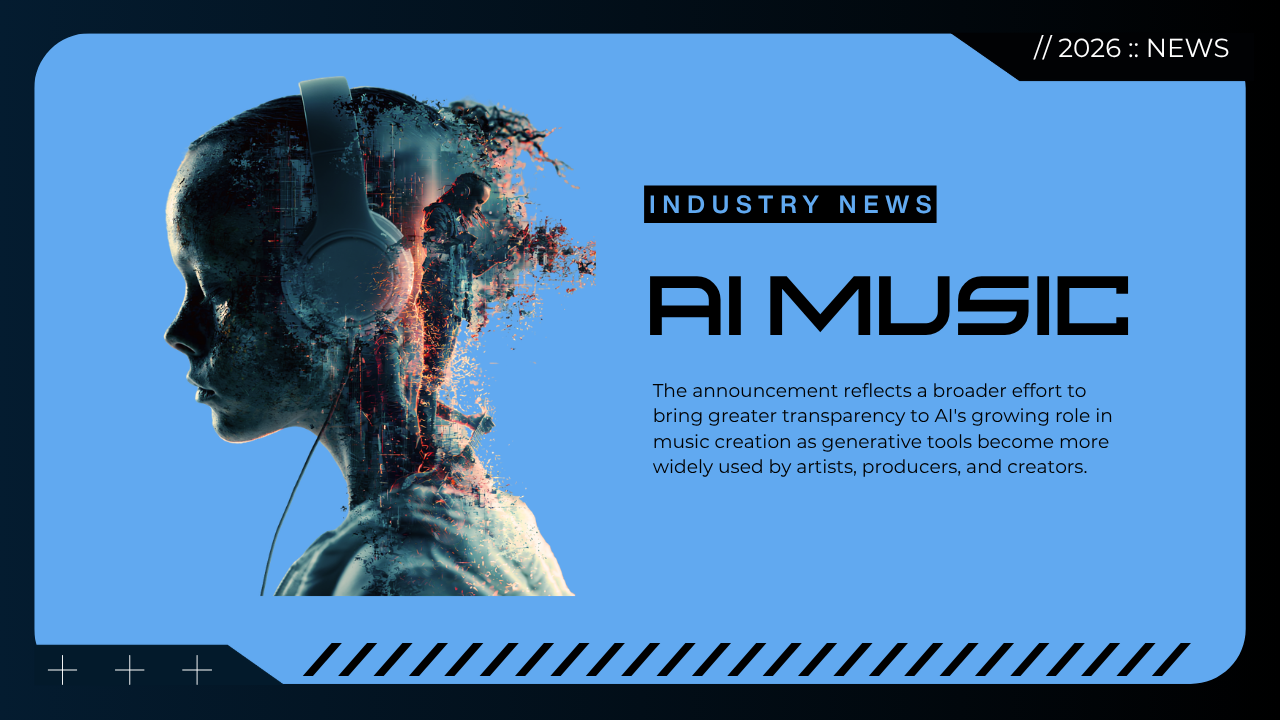
Major record companies are calling for global music charts to establish clearer rules for AI-generated music, with proposed standards centered on human creativity, authorization and legitimate streaming activity.
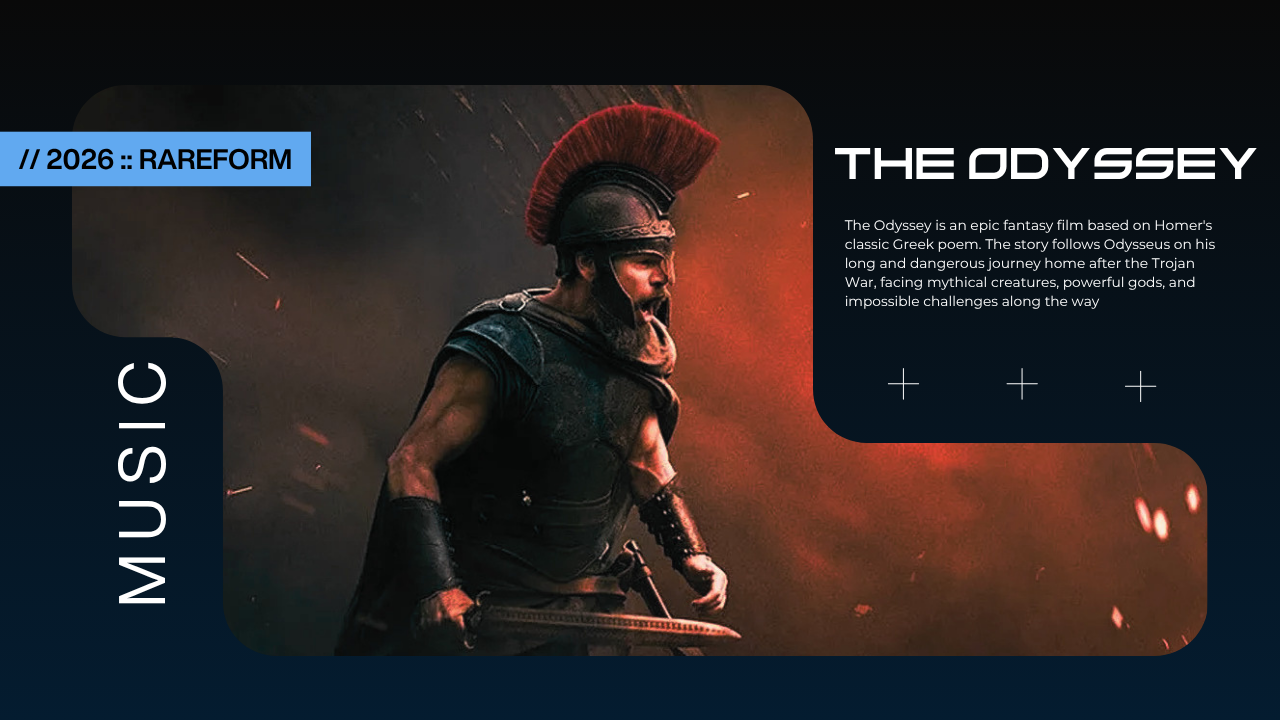
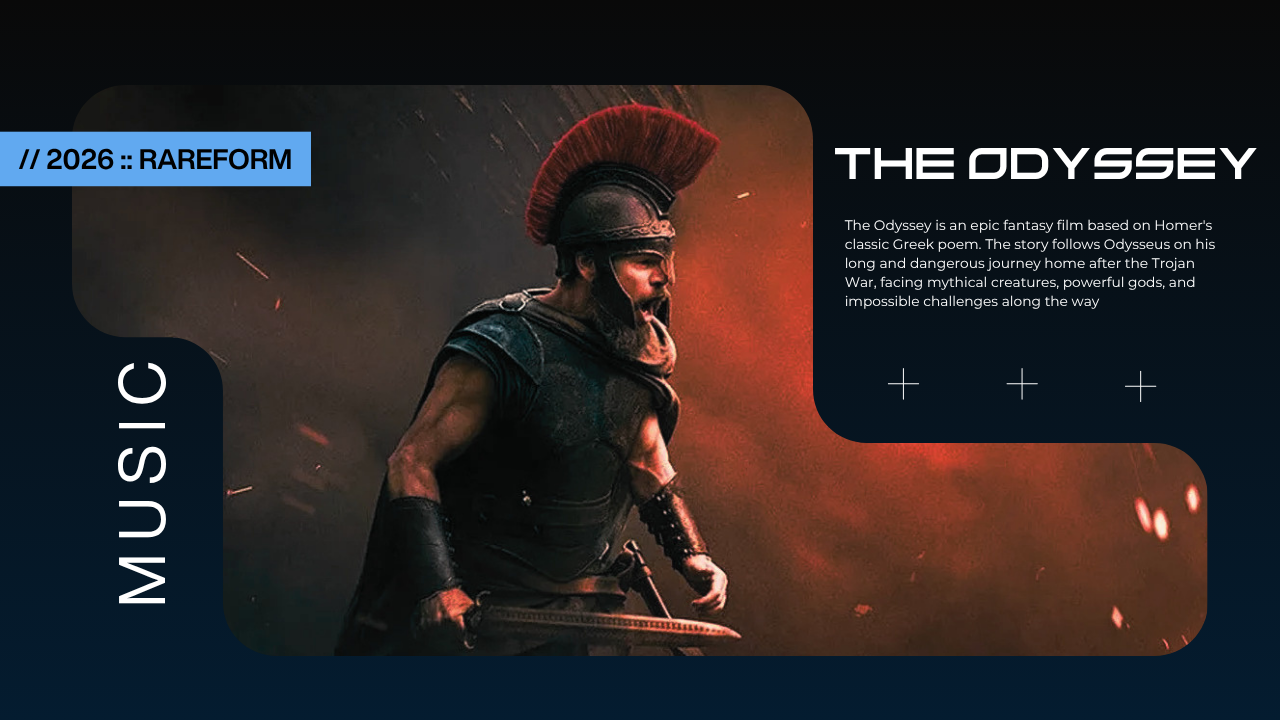
We are hyped to share that our track Ironwake by Trey Anderson and Nathan Fields was featured in the campaign for The Odyssey. Here's a quick look at the upcoming Christopher Nolan film and the legendary story that inspired it.
Lollapalooza 2026 is underway with sold-out crowds, a diverse lineup, and a renewed focus on artist discovery. As one of the world's biggest music festivals, the event continues to highlight how live performances help emerging artists reach new audiences while reinforcing the lasting impact of established acts.
The recorded music industry has introduced a proposal for standardized AI labels on streaming platforms. As AI-generated music continues to grow, the framework aims to improve transparency by distinguishing between fully AI-generated and AI-assisted recordings while raising new questions about implementation and industry-wide adoption.
The 2026 FIFA World Cup is expanding the role of music with its first-ever halftime show, a global soundtrack strategy, and a partnership with the Recording Academy. As music becomes a bigger part of the tournament's identity, the event highlights the growing connection between the music industry and major international sports.
Our remix of KRS-One's Step Into A World, created by Haukur Karlsson and Nathan Fields, is featured in Trailer 2 for Mutiny. Take a look at the project and learn more about the upcoming action thriller starring Jason Statham.
Music therapy continues to gain recognition as research highlights its role in neurological rehabilitation. New clinical programs and emerging technology are expanding how music supports recovery, reinforcing its growing impact beyond the entertainment industry.
John Denver's "Take Me Home, Country Roads" has become the unofficial anthem of the U.S. men's national soccer team during the FIFA Club World Cup. Here's how the 1971 classic found new life and why legacy songs continue to resonate with audiences around the world.
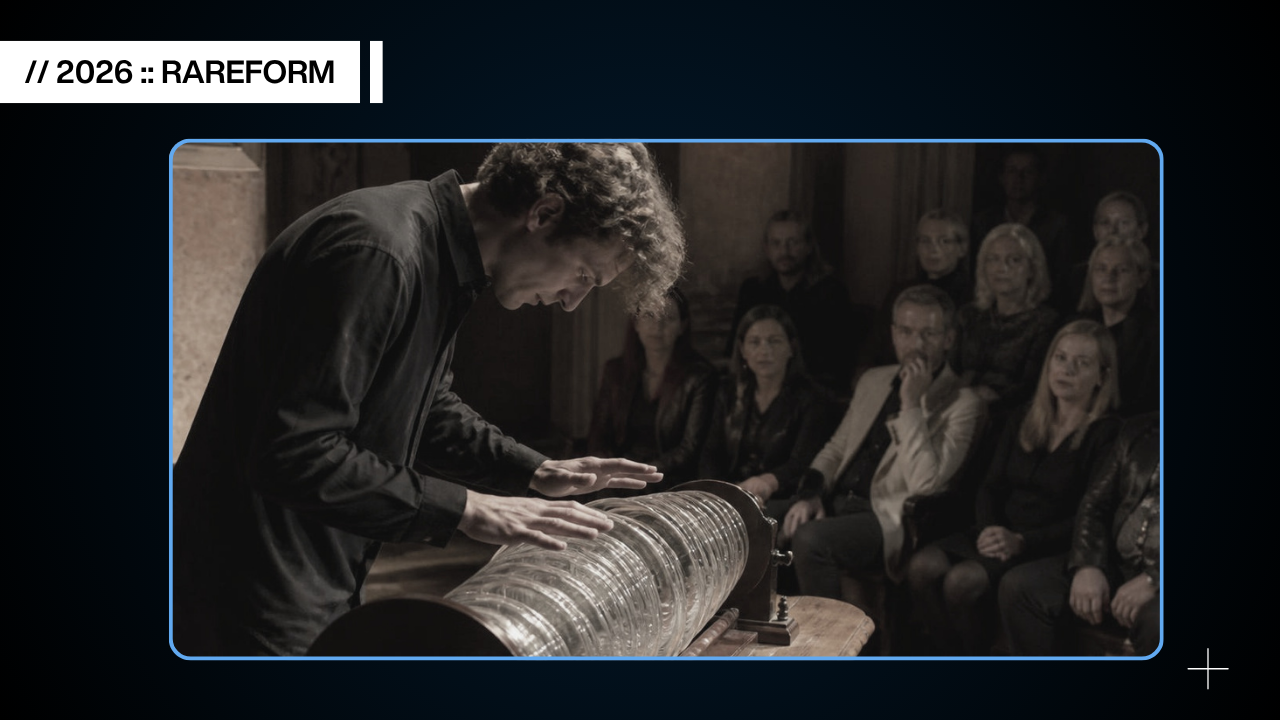
Benjamin Franklin's glass armonica earned a reputation as one of history's most mysterious musical instruments. From inspiring classical composers to fueling myths about its effects on the mind, its story reveals how unique sounds continue to shape music, perception, and creativity.
Hyped to share that our tracks “Bomb Squad” by Darby Phillips and Nathan Fields, along with “Ambush” by Nathan Fields, were featured in campaigns for Call of Duty: Black Ops 7. From Warzone to the Season 03 Multiplayer Maps campaign, both spots delivered the fast paced energy the franchise is known for.
AI-generated music is filling streaming platforms faster than ever, but new research suggests listeners aren't embracing it. A University of Chicago study found that while AI tracks now make up a significant share of new uploads, the vast majority receive little to no engagement. Here's what the data reveals about music discovery, streaming, and the future of AI in the music industry.
The proposed No Fakes Act has moved one step closer to becoming US law after unanimously passing the Senate Judiciary Committee. As AI-generated voices and digital replicas become more common, the legislation highlights the growing conversation around creator protection, consent, and the future of AI in music.
Warner Music Group is expanding its AI strategy with a new acquisition focused on attribution, transparency, and rights management. As AI-generated music and content continue to grow, the move highlights the increasing importance of tracking how creative works are used in AI training and generation across the music industry.

New research published in Psychology of Sport and Exercise suggests that fast-tempo music could help people exercise longer. Researchers found that participants listening to music between 120 and 140 BPM improved their endurance by up to 20%, adding new insight into music's growing role in fitness, wellness, and human performance.
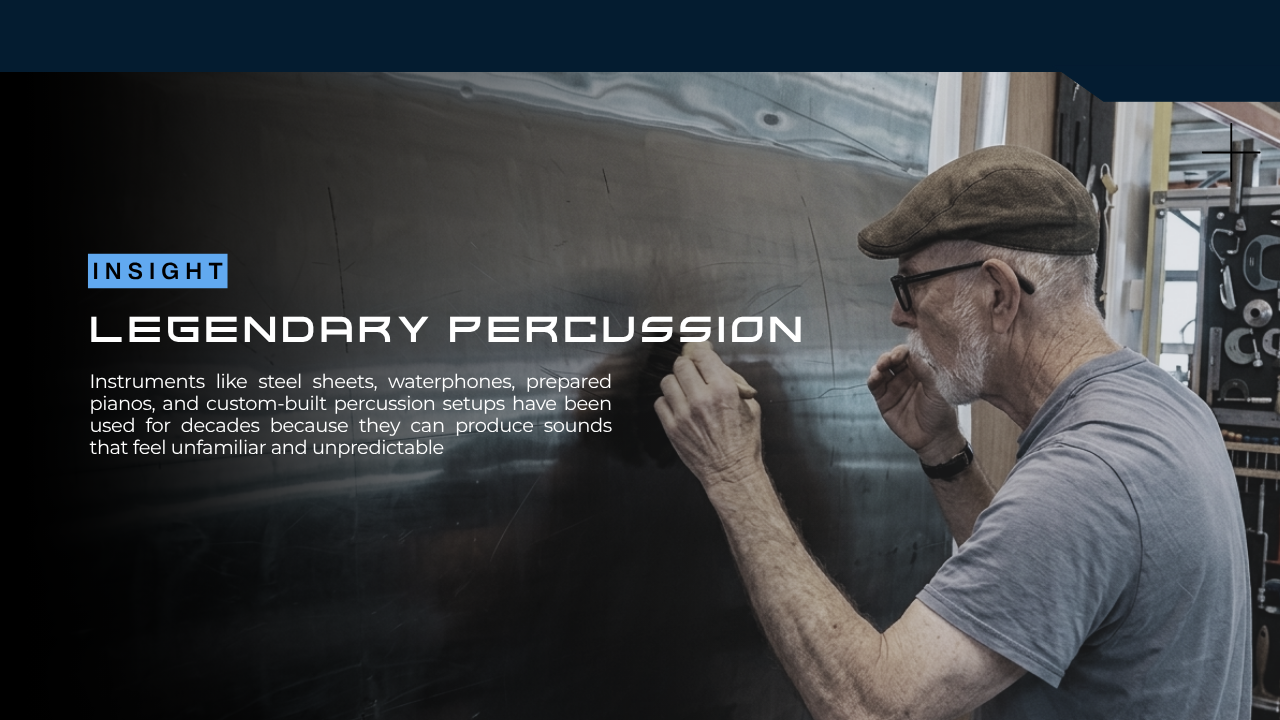
A simple sheet of metal may not seem like a groundbreaking production tool, but Steve Forman's legendary steel sheet helped shape the sound of countless film scores. This article explores how unconventional instruments like the steel sheet continue to influence modern music production, sound design, and cinematic storytelling.
Black Sheep Music’s “Divine Intervention” from the BSM74 - Other Worlds album was featured in the final trailer for Disclosure Day. Composed by Haukur Karlsson and Nathan Fields, the track blends cinematic tension and atmospheric sound design built for picture.
The 2026 Golden Trailer Awards winners are here, and we’re excited to share that several projects we contributed to were recognized this year, including Project Hail Mary, Weapons, Tron: Ares, Daredevil: Born Again, and more.
New research from Hong Kong Baptist University suggests that musicians who get an extra 60 to 90 minutes of sleep each night may see measurable improvements in rhythm, sightreading, memory, and focus. The study adds to the growing conversation around performance, recovery, and health in the music industry.
Spotify and Universal Music Group are introducing AI-powered remix and cover tools for Spotify Premium users, marking a major shift in how streaming platforms approach fan-created music. The new licensing agreement could reshape music rights, artist compensation, and AI integration across the industry.
New research from Australia and New Zealand shows that music licensing is evolving beyond legal compliance and becoming a visible marker of brand trust. As customer awareness grows, businesses are learning that licensed music can shape perception, strengthen credibility, and directly influence the in-store experience.
Golden Trailer Awards season is here, and we’re excited to see 29 nominated campaigns featuring contributions from Rareform Audio and Black Sheep Music. From custom trailer remixes to sound design, it’s great to see these projects recognized alongside the talented creative teams behind them.
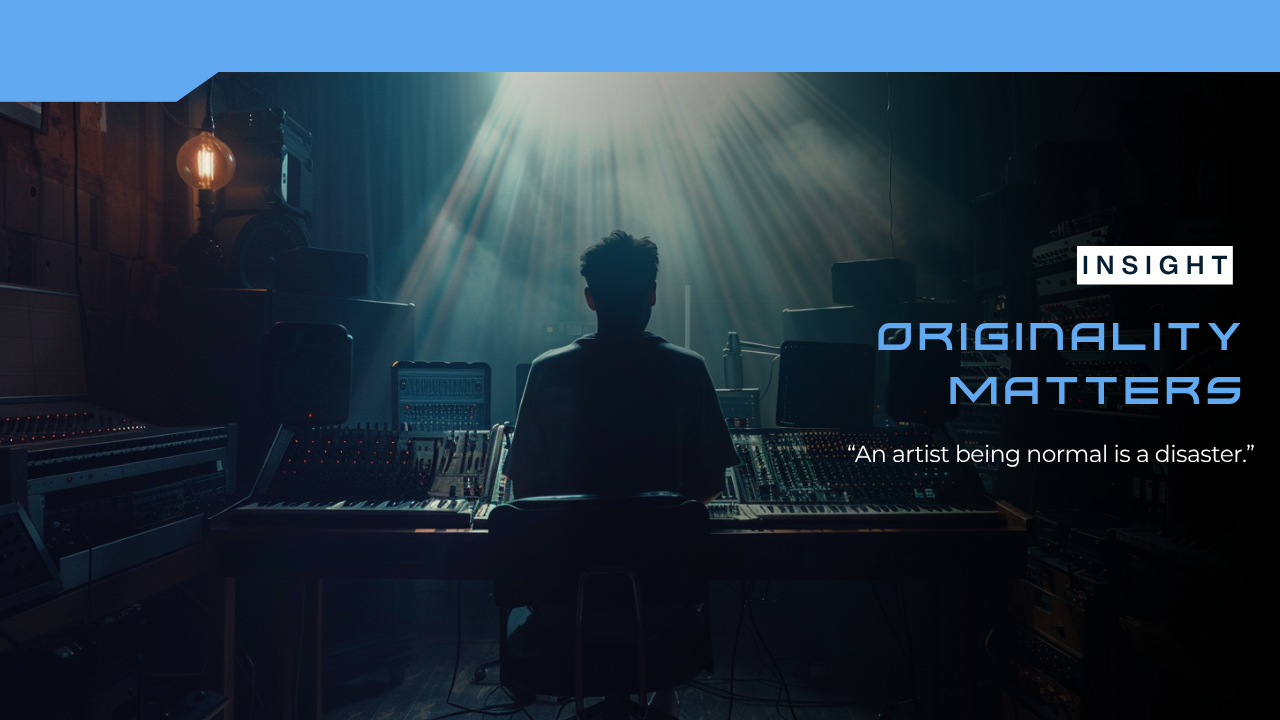
In a music industry shaped by trends, algorithms, and endless content, standing out has never been harder. This insight explores why originality still matters, how chasing familiarity can dilute creative identity, and why the artists who last are often the ones willing to sound different.
New research is revealing a surprising divide in how listeners respond to AI-generated music. While consumers often rate AI-created tracks highly in blind listening tests, reactions shift once artificial intelligence is disclosed. As AI tools continue to reshape music creation, transparency and listener perception are becoming key factors in the industry’s next chapter.
New research published in Cortex reveals that shared music listening does more than create a social moment. It can actually synchronize emotional responses and brain activity between listeners. The findings offer fresh insight into why music remains one of the most powerful tools for human connection.
A 1986 documentary from RAI captured the music industry at a pivotal turning point, just before digital production transformed everything. From reel-to-reel machines and analogue oscillators to the first computer-based systems, it documents the technological shift that redefined how music is created, recorded, and shared.
The global electronic music industry reached $15.1 billion in 2025, according to the latest IMS report. Growth continues across streaming, live events, and emerging markets, while challenges remain for grassroots venues.
Rihanna becomes the first woman to surpass 200 million RIAA-certified singles, driven by the continued global success of her catalog nearly a decade after her last album release.
Delia Derbyshire helped define electronic music before modern tools existed. Her work at the BBC Radiophonic Workshop introduced new ways to create and shape sound, influencing everything from early experimental records to today’s film, TV, and sync production.
We provided music for the trailer for Mutiny, featuring our remix of “Step Into a World” by Haukur Karlsson and Nathan Fields.
NASA’s Artemis II mission continues its daily wake-up tradition with a curated playlist of songs chosen for the crew, ranging from pop and indie to classic rock. The selections reflect personal connections, listening habits, and a long-standing spaceflight tradition that shows how music continues to play a role even beyond Earth.
Hi, I'm Hannah, the Marketing Manager at Rareform Audio. When I'm not crafting content and strategizing campaigns, you'll find me singing my heart out with my local choir. I love blending creativity and connection in everything I do, whether it’s through words or music!