There’s a paradox buried in one of cinema’s most familiar effects: the silent gunshot. For decades, audiences have heard a discreet, almost soft sound whenever a character fires a suppressor‑equipped weapon. It’s become shorthand for covert action, but as one of film’s greatest sound designers, Ben Burtt, reminds us, it’s a creation of Hollywood rather than a reflection of reality.
The Birth of a Myth
Film sound librarians in the early 20th century were tasked with solving the same practical problem over and over: cinema moves fast, budgets are tight, and recording every effect anew isn’t always possible. Large studios like 20th Century Fox built vast sound archives, collections of footsteps, doors, animal noises, explosions, and gun sounds that could be reused wherever needed.
One of these archived sounds was a bullet ricochet recorded in 1939. Editors discovered that, when carefully isolated, a sharp metallic snap from this recording had a quality that cut through the mix without overwhelming it. In a creative leap, it was repurposed as the sound of a gun being fired quietly, a way of telling audiences that a shot had been fired, but without the dramatic bang, audiences had already learned to associate with loud action sequences.
This new effect debuted in early Fox films and, over time, became the default for suppressed gunshots in Hollywood. Repetition turned it into convention. Even though it didn’t resemble how an actual firearm with a suppressor sounded, audiences came to recognise it instantly.
Why the “Silent” Sound Worked
To understand why this works, it helps to remember that film sound isn’t a documentary record, it’s part of a language. A sound designer’s job is to communicate meaning. A barely audible murmur might be real, but on screen it can be confusing. A recognisable cue, however stylised, helps the audience read the moment without conscious effort.
Burtt’s reflections remind us of this language at work. A suppressed firearm in real life still makes noise like gas expansion, sonic cracks, mechanical action, all contribute to a sound that’s quieter but far from quiet. Film chose a different path: one that prioritised readability and narrative clarity over accuracy.
From Sound Library to Cultural Expectation
What’s remarkable is how entrenched this sound became. Once that ricochet‑turned‑silencer cue appeared enough times, it shaped audience expectation. Viewers no longer needed to learn it; they already knew what it meant. That’s a testament not only to the ingenuity of sound editors, but to how cinema through repetition and pattern, teaches us how to listen.
In other words, Hollywood didn’t just borrow from the real world, it rewrote part of it for storytelling purposes.
Listening With New Ears
Ben Burtt’s work often invites us to listen more deeply. Whether he’s pulling the hum of a film projector into a lightsaber or tracing the ancestry of a suppressed gunshot cue back through decades of studio practice, his insight reminds us that sound in film is never accidental. Each effect carries a history, a set of choices, and a set of expectations about how we interpret dramatic action.
So next time you hear that iconic “silenced” shot, whether it’s in a thriller, a sci‑fi escape, or a noir alleyway, remember that what you’re hearing is not silence at all. It’s centuries of cinematic habit, repackaged through the ears of artists like Ben Burtt.
Let’s Collaborate!
Need help building the tone for your production? Hit us up – the Rareform Audio team would love to help you create the perfect soundtrack that speaks to your audience and enhances the power of your visual storytelling to new heights!

A weekly glimpse into the world of music & media with insider news, sync licensing opportunities, creative insight, and discussions.
Rareform Highlights
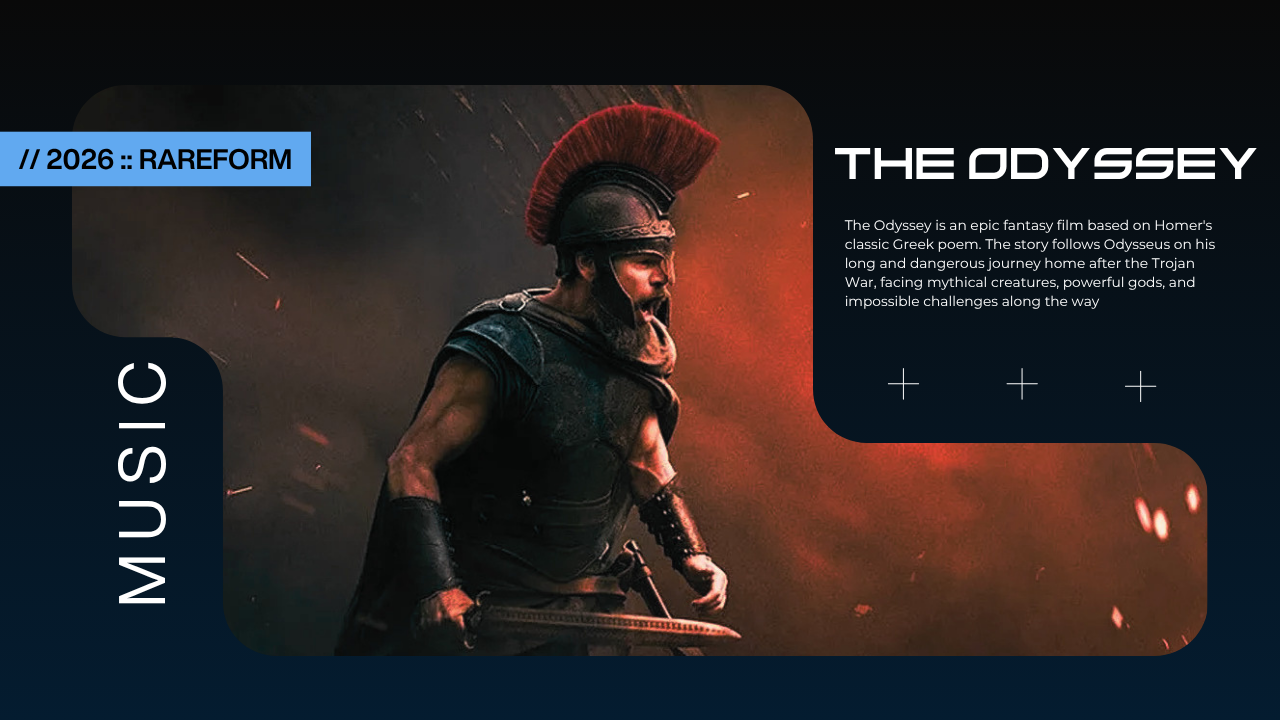
Black Sheep Music x Rareform Audio lands in the world of Christopher Nolan’s The Odyssey, with music featured in the film’s campaign.
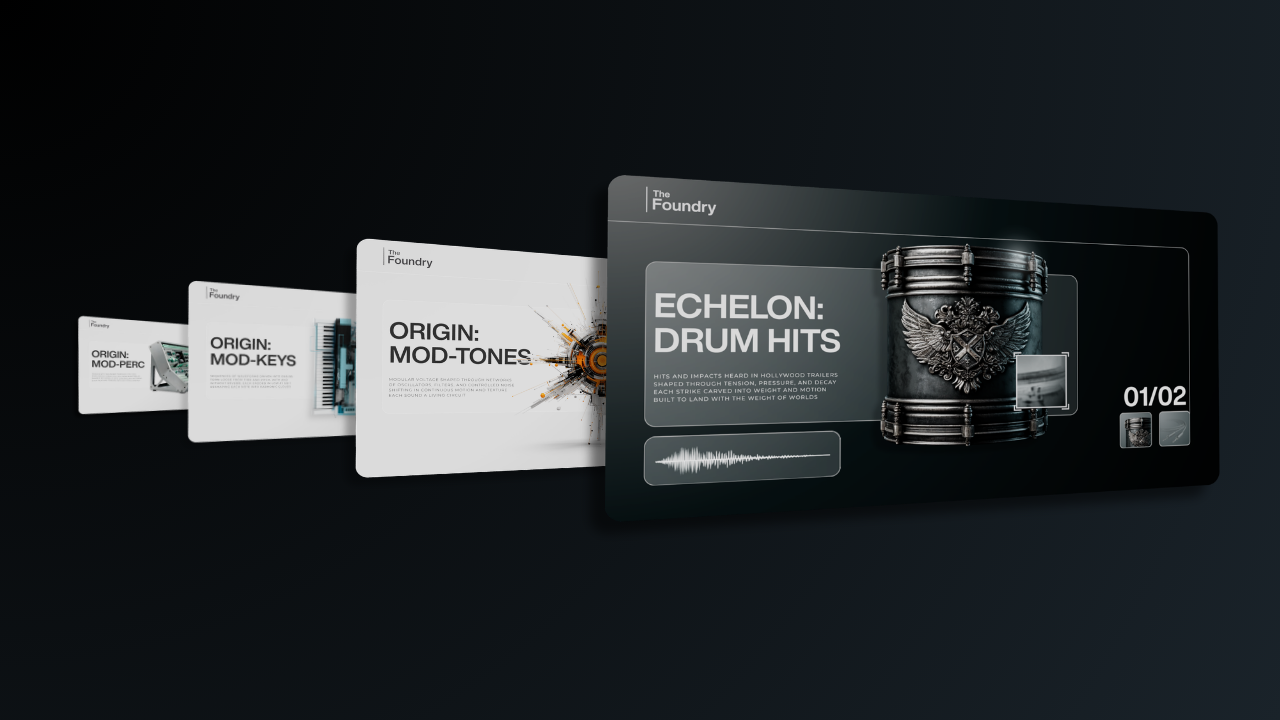
Tools and sounds built from our work in film, TV and trailers, now available for your own productions.

Join our Spotify Playlist and vibe with us! Featuring an array of tunes our team has been listening to.

Black Sheep Music contributed music and sound design to 22 campaigns nominated at the 2026 Clio Entertainment Awards, including The Odyssey, Project Hail Mary, TRON: Ares, and The Secret Agent.
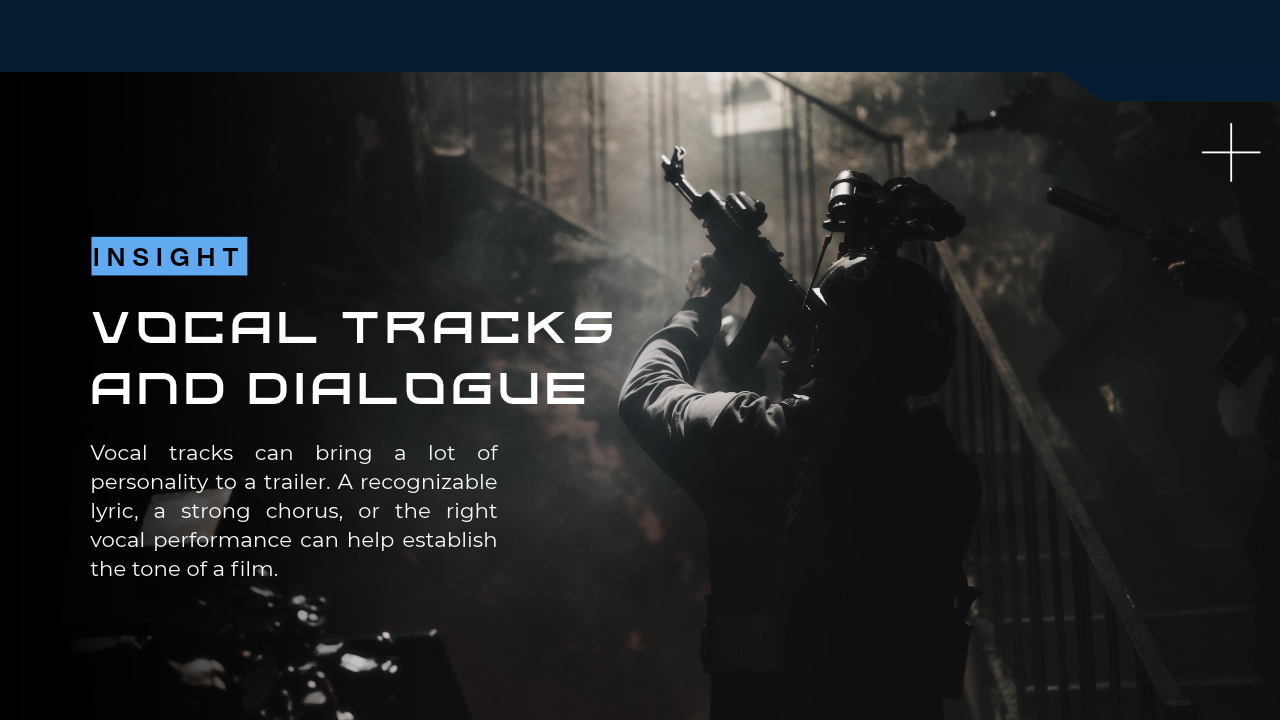
Working with vocal tracks in dialogue-heavy trailers can be tricky. From music stems and arrangement to EQ and volume automation, here are a few practical ways to keep dialogue clear without losing the energy of the track.

Check out the official Rareform Audio YouTube channel! Explore our music, sound design, projects, and more from across Rareform Audio. Subscribe to stay up to date with our latest releases!
From full trailers to fifteen-second spots, keeping a campaign’s musical identity intact means knowing what to preserve and what to reshape.
Two tracks can give a trailer the same momentum and leave viewers expecting very different films. The difference lies in how the music frames the characters, the stakes, and the first turn in the story.
A final mix handoff needs more than audio files. Clear references, useful handles, and specific notes help the sound team preserve the decisions that give a music edit its meaning.
A track can sound compelling on its own and still change a scene in the wrong way. Choosing well starts with understanding what the music makes the audience believe.
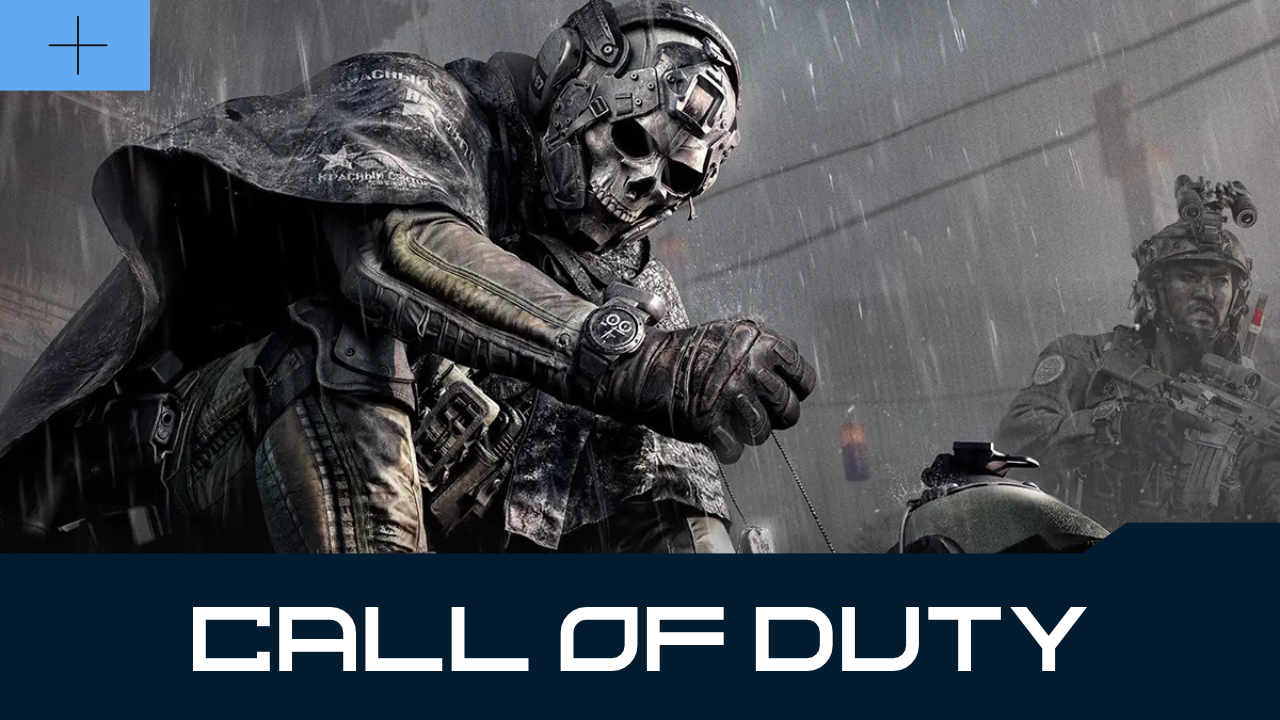
Back in the Call of Duty world! Our track “Biohazard,” composed by Cade Phillips and Nathan Fields, was featured in the DMZ Early Access Gameplay Trailer, highlighting the action and intensity of Call of Duty's extraction-based game mode.

How do modern composers meet tight deadlines without sacrificing creativity? Explore practical approaches to music production, from efficient DAW workflows to creative decision-making for film, TV, trailers, and advertising.
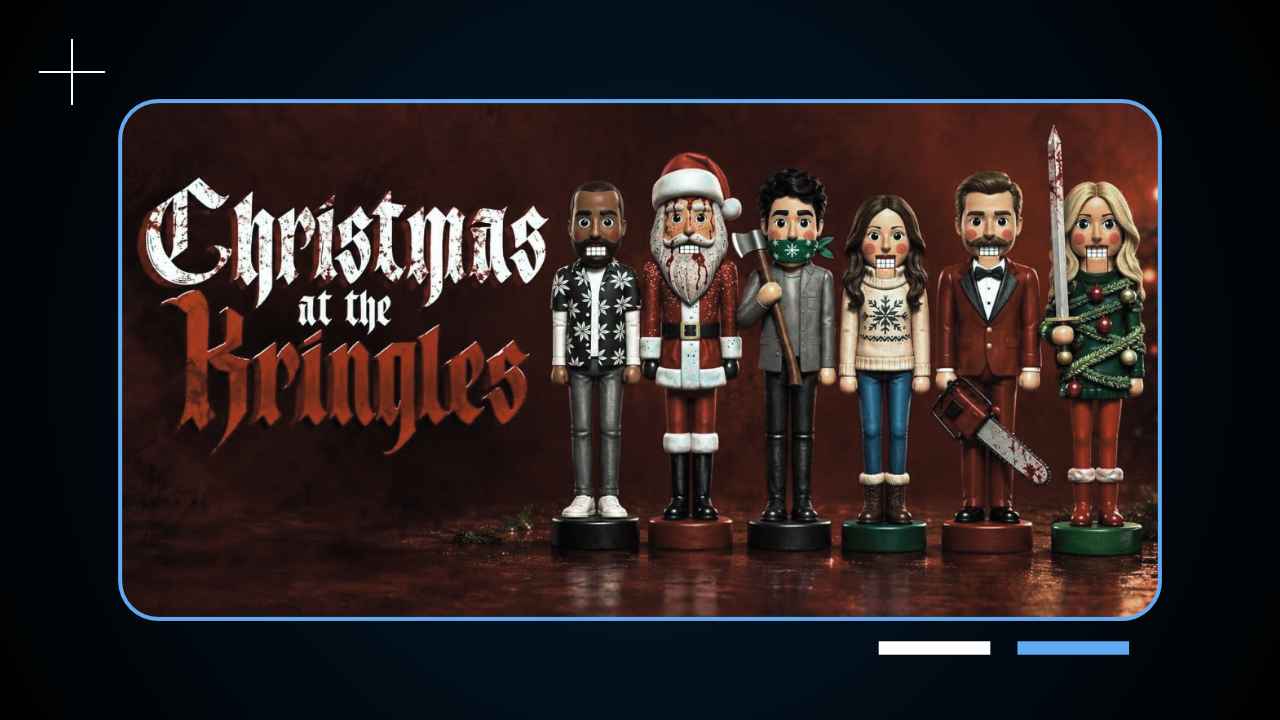
The City of Prague Philharmonic Orchestra’s recording of “Joy to the World,” remixed by Cade Phillips and Nathan Fields, was featured in the teaser trailer for the upcoming holiday horror-comedy Christmas at the Kringles!
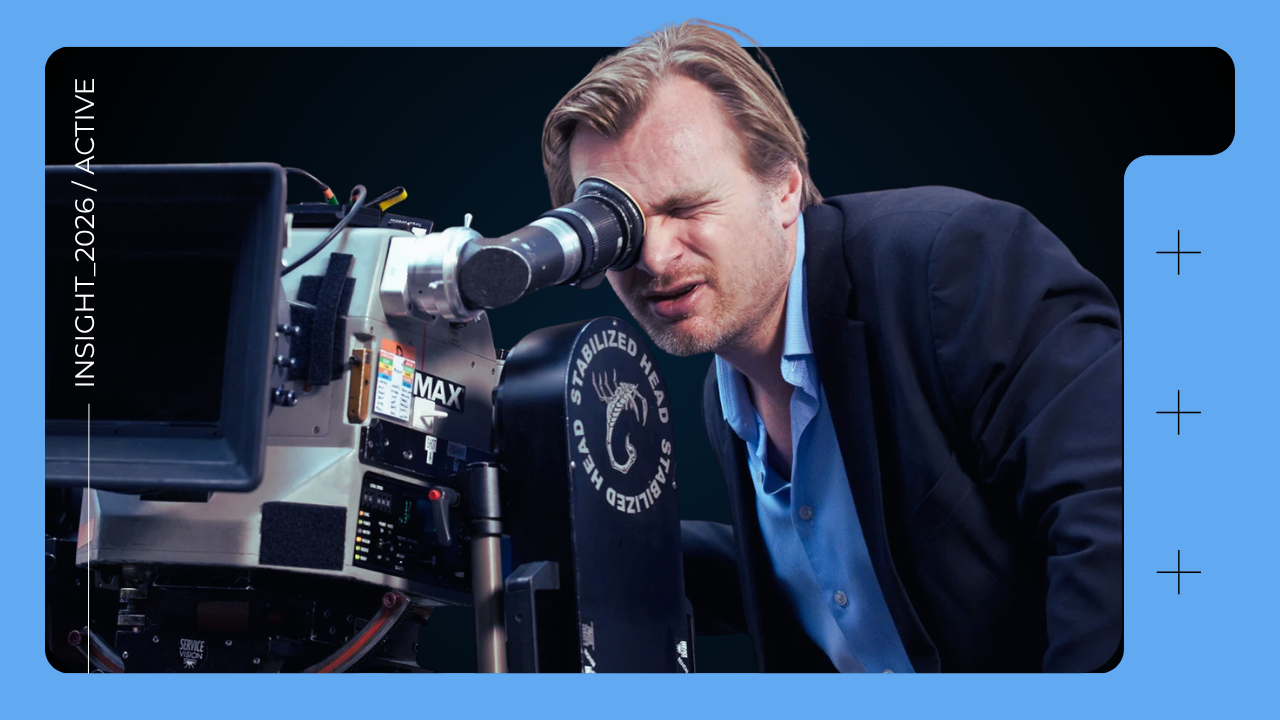
Christopher Nolan’s films show how practical effects and CGI can work together to support storytelling. From the rotating hallway in Inception to the real aircraft crash in Tenet, these scenes demonstrate how physical effects can make extraordinary moments feel more believable.
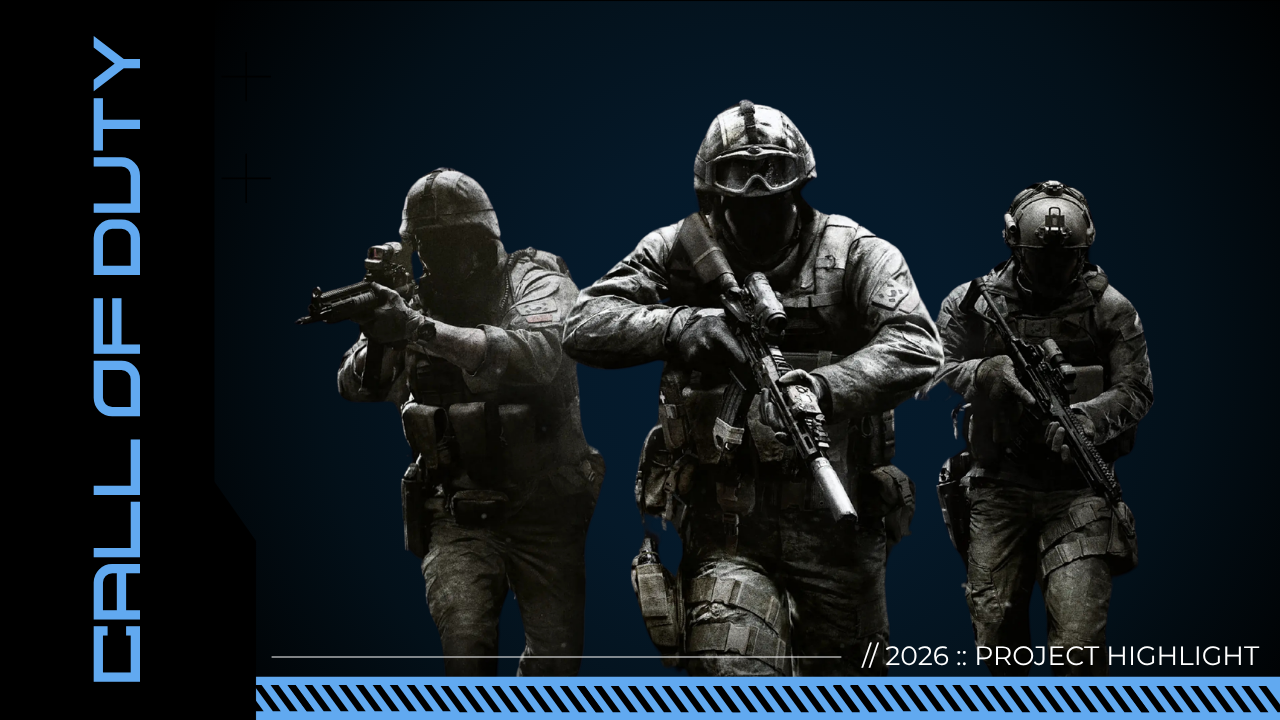
Rareform Audio provided music for the official PC trailer for Call of Duty: Modern Warfare 4, the latest chapter in Activision’s long-running franchise.
A new pilot study finds that music therapy may help reduce immediate cravings and influence emotional processing in people receiving treatment for drug and alcohol addiction. Researchers used EEG recordings and participant assessments to explore how active music-making may support addiction treatment.
Sound design and music are becoming harder to separate in modern movie trailers. From impacts and risers to distorted instruments and tuned sound effects, discover how these two disciplines now work together to shape the trailer experience.
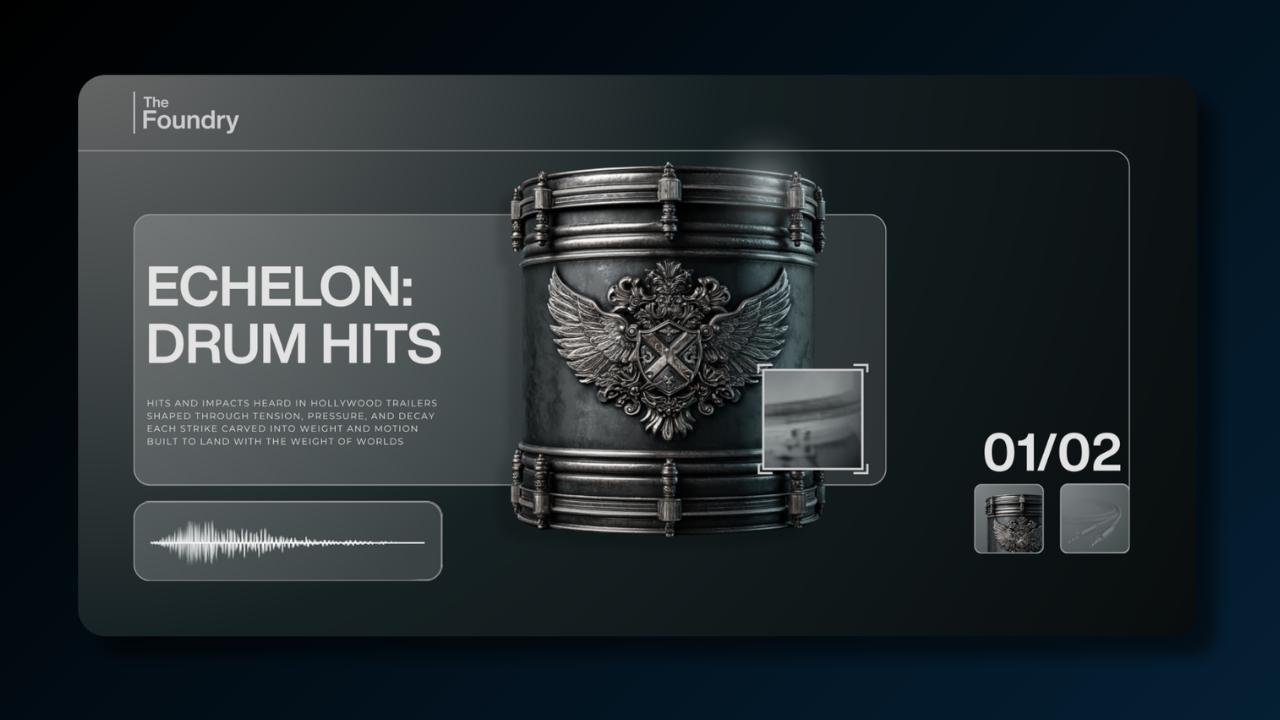
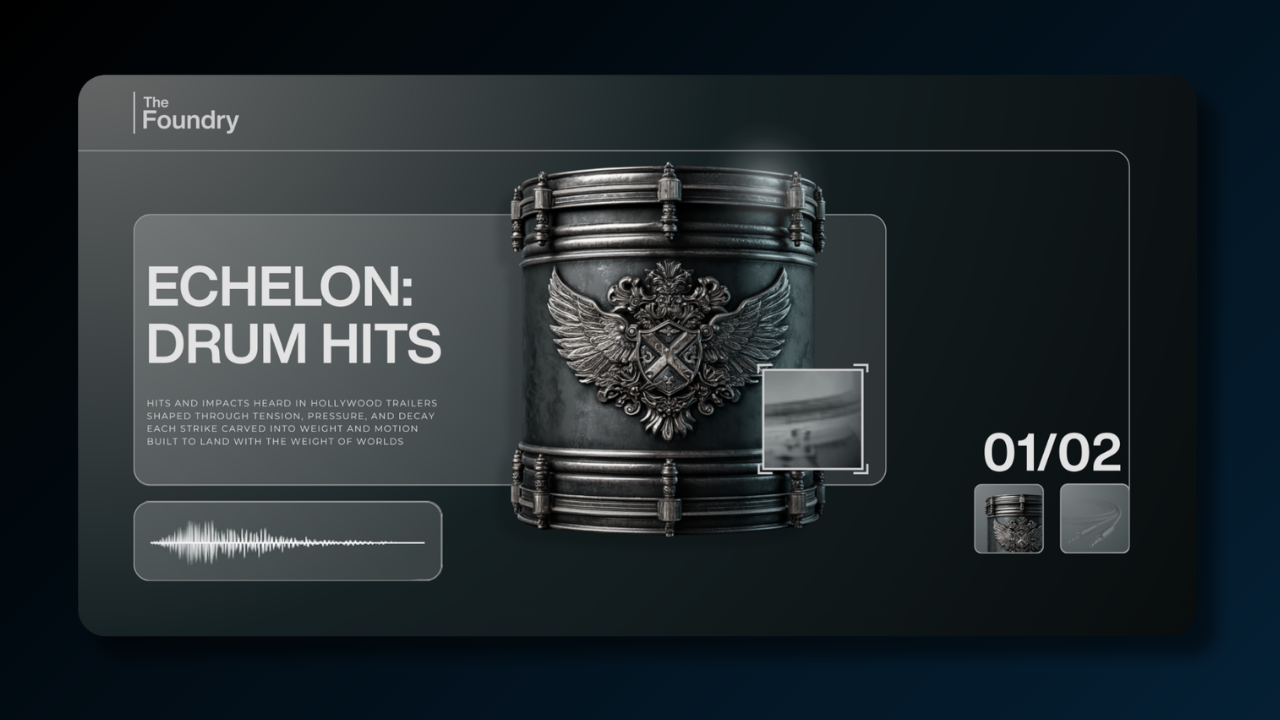
Meet Echelon: Drum Hits, a cinematic percussion instrument built from the hits we use in Hollywood Blockbuster Trailers.
A personal sound palette can help composers develop a more recognizable sonic identity. Learn how to curate sounds, resample your own material, organize your library, and build a palette that supports your creative process.

Nathan Fields’ cover of “Seven Nation Army” was featured in an ESPN College Football spot on Disney+.
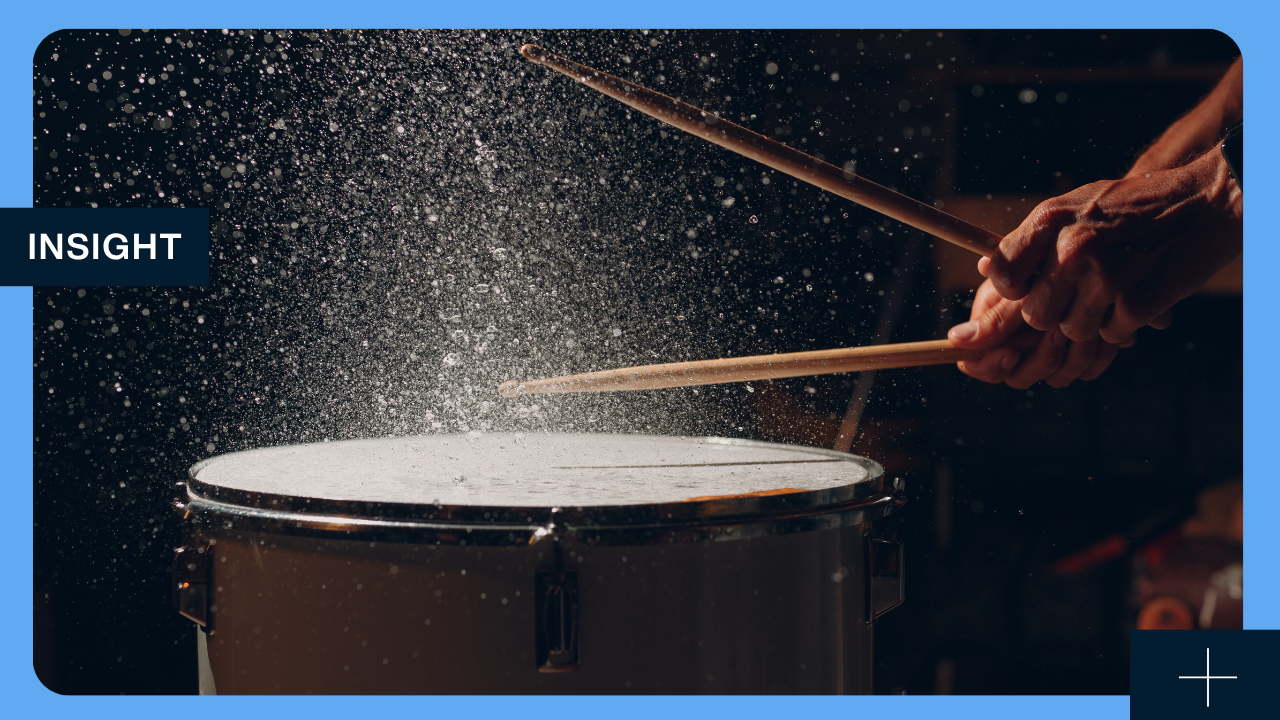
From silent-film trap drummers to massive hybrid trailer impacts, the cinematic drum hit has evolved alongside the technology used to create it. Here’s a look at how percussion became one of the most recognizable sounds in modern trailer production.

Why do some sounds feel cinematic while others feel sterile? Small imperfections can add physical detail, texture, and realism to music and sound design. Here’s how controlled imperfection can make audio feel more connected to the world on screen.

SOCAN is suing AI music company Suno in Canada, alleging the platform copied copyrighted songs without permission or compensation. The case adds to a growing number of legal challenges surrounding AI music, copyright and the use of protected works in AI training.

Sony Music has sued Kroger over at least 392 alleged unauthorized uses of its recordings in social media advertising. Here’s what the lawsuit says about music licensing, influencer content, expired licenses, and the $58.8 million figure circulating online.

Rareform Audio x Black Sheep Music’s track “Pitch Black,” composed by Cade Phillips and Nathan Fields, was featured in the official trailer for “Beware Boiúna.”

Hyped to share that our sound design elements were featured in the campaign for Masters of the Universe!
Introducing The Foundry by Rareform Audio, our new line of professional instruments, sounds, and production tools for film composers and record producers. Built from the same sounds, techniques, and real-world experience behind our work across film, trailers, television, video games, and records.

New research from Hong Kong Baptist University suggests that adding 60 to 90 minutes of sleep each night may improve key musical skills, including rhythmic stability, sightreading, and musical memory.

Major record companies are calling for global music charts to establish clearer rules for AI-generated music, with proposed standards centered on human creativity, authorization and legitimate streaming activity.
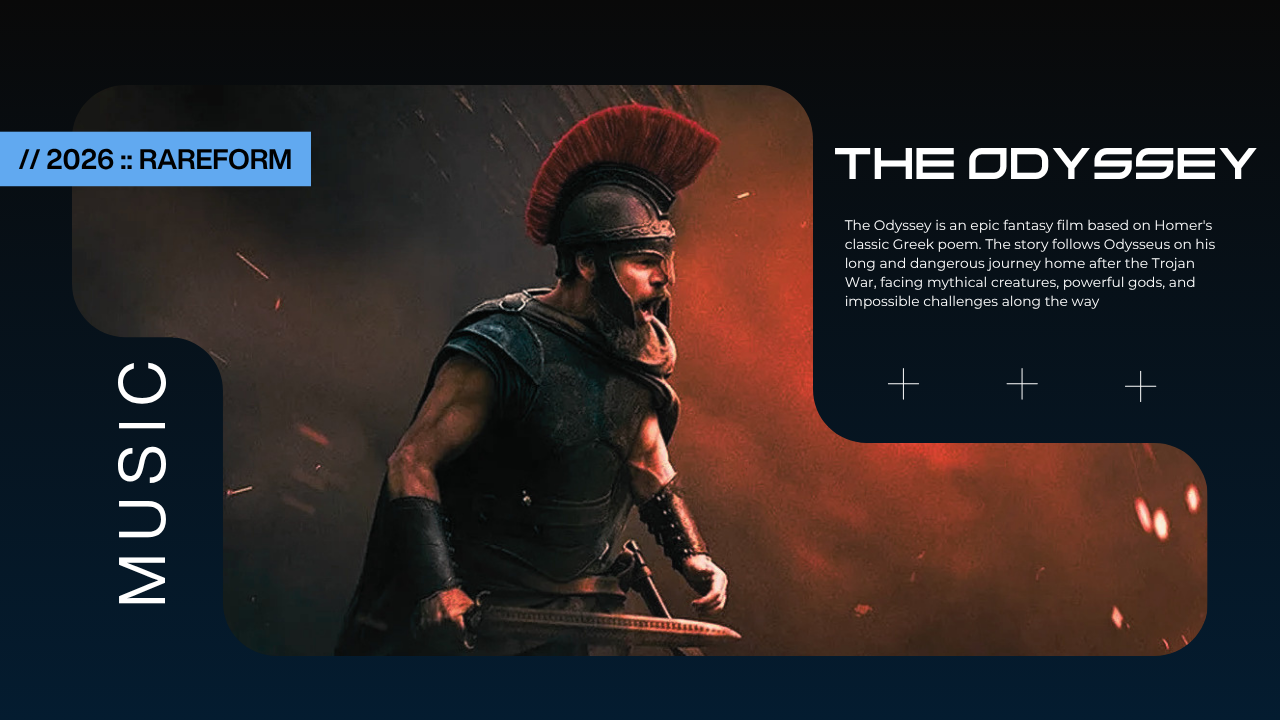
We are hyped to share that our track Ironwake by Trey Anderson and Nathan Fields was featured in the campaign for The Odyssey. Here's a quick look at the upcoming Christopher Nolan film and the legendary story that inspired it.

Lollapalooza 2026 is underway with sold-out crowds, a diverse lineup, and a renewed focus on artist discovery. As one of the world's biggest music festivals, the event continues to highlight how live performances help emerging artists reach new audiences while reinforcing the lasting impact of established acts.
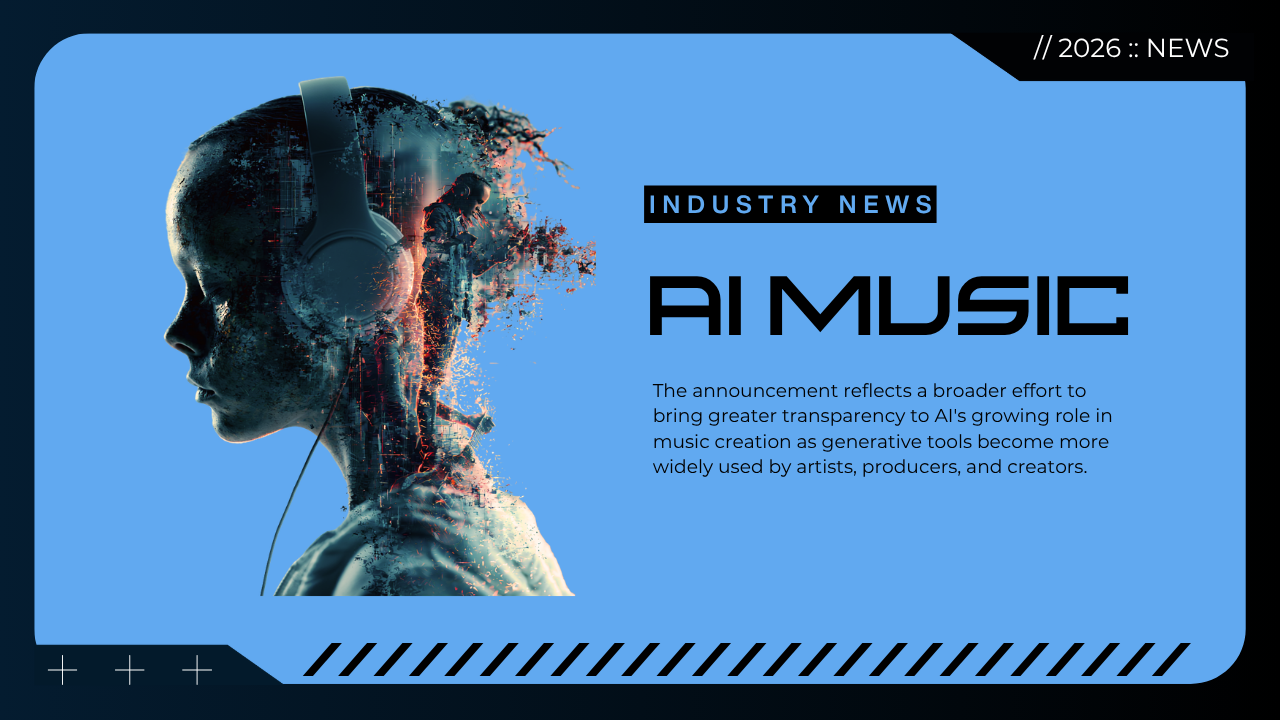
The recorded music industry has introduced a proposal for standardized AI labels on streaming platforms. As AI-generated music continues to grow, the framework aims to improve transparency by distinguishing between fully AI-generated and AI-assisted recordings while raising new questions about implementation and industry-wide adoption.

The 2026 FIFA World Cup is expanding the role of music with its first-ever halftime show, a global soundtrack strategy, and a partnership with the Recording Academy. As music becomes a bigger part of the tournament's identity, the event highlights the growing connection between the music industry and major international sports.