
Spotify Disables Accounts After Large-Scale Scraping of Music Catalog

Spotify confirmed that it disabled several user accounts after identifying unauthorized scraping activity tied to its music catalog. The activity was linked to a piracy activist group known as Anna’s Archive, which publicly stated it had collected both audio files and metadata from the platform.
Scope of the Scraped Data
According to the group’s own disclosure, metadata for roughly 256 million tracks was collected, alongside approximately 86 million audio files. The group claims this represents more than 99 percent of total listening activity on Spotify. The full archive is said to total just under 300 terabytes of data.
The metadata reportedly includes information such as track duration, popularity, genre, release dates, and artist profiles spanning more than 15 million artists.
Spotify’s Response
Spotify stated that it identified and disabled the accounts responsible for the scraping activity. The company also said it has implemented additional safeguards to protect against similar incidents and is actively monitoring for suspicious behavior.
Spotify confirmed that the incident did not affect user accounts or personal user data.

Photo Credit: FreePik
Audio Access and DRM Circumvention
While much of the scraped metadata is publicly accessible, Spotify acknowledged that illicit tactics were used to bypass digital rights management protections in order to access some audio files. The company has not specified how many audio files were obtained through these methods or how long the activity was occurring before detection.
An internal investigation into the unauthorized access is ongoing.
Distribution and Industry Concerns
The group behind the scraping stated that the data is being distributed through peer-to-peer networks, beginning with the most popular recordings. While rights holders retain legal protections, the existence of such large-scale archives raises concerns about unauthorized distribution and enforcement challenges.
In theory, the availability of this data could allow third parties to recreate large music libraries outside licensed platforms, though copyright law remains the primary barrier.
Implications for AI and Music Data Use
The scale of the dataset has also drawn attention in the context of generative AI. Large, high-quality audio libraries are valuable for training machine learning models, and unauthorized use of copyrighted recordings for AI development remains an unresolved issue across the music industry.
What Happens Next
Spotify has confirmed that safeguards are now in place, but the broader impact of the scraping activity is still unfolding. How widely the data circulates and how rights holders respond may shape future conversations around platform security, copyright enforcement, and the protection of recorded music in the digital ecosystem.
Let’s Collaborate!
Need help building the tone for your production? Hit us up – the Rareform Audio team would love to help you create the perfect soundtrack that speaks to your audience and enhances the power of your visual storytelling to new heights!

A weekly glimpse into the world of music & media with insider news, sync licensing opportunities, creative insight, and discussions.
Rareform Highlights
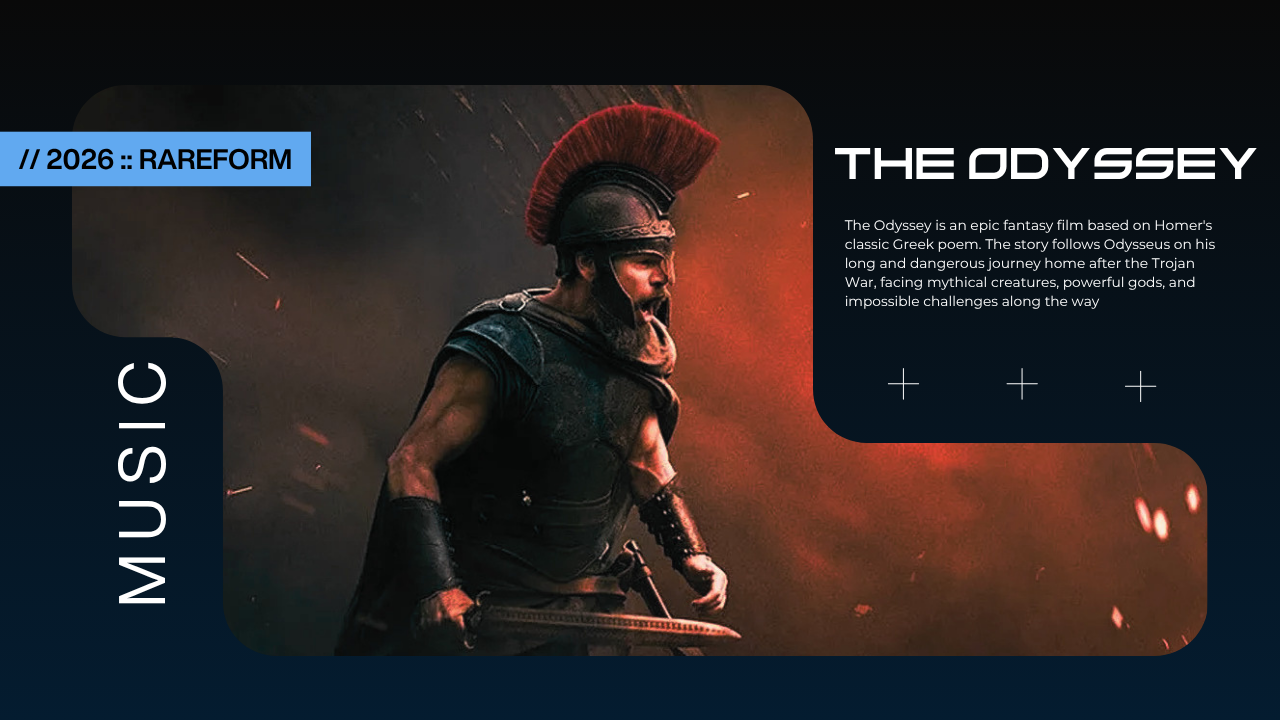
Black Sheep Music x Rareform Audio lands in Christopher Nolan’s The Odyssey, with music featured in the film’s campaign.

Join our Spotify Playlist and vibe with us! Featuring an array of tunes our team has been listening to.
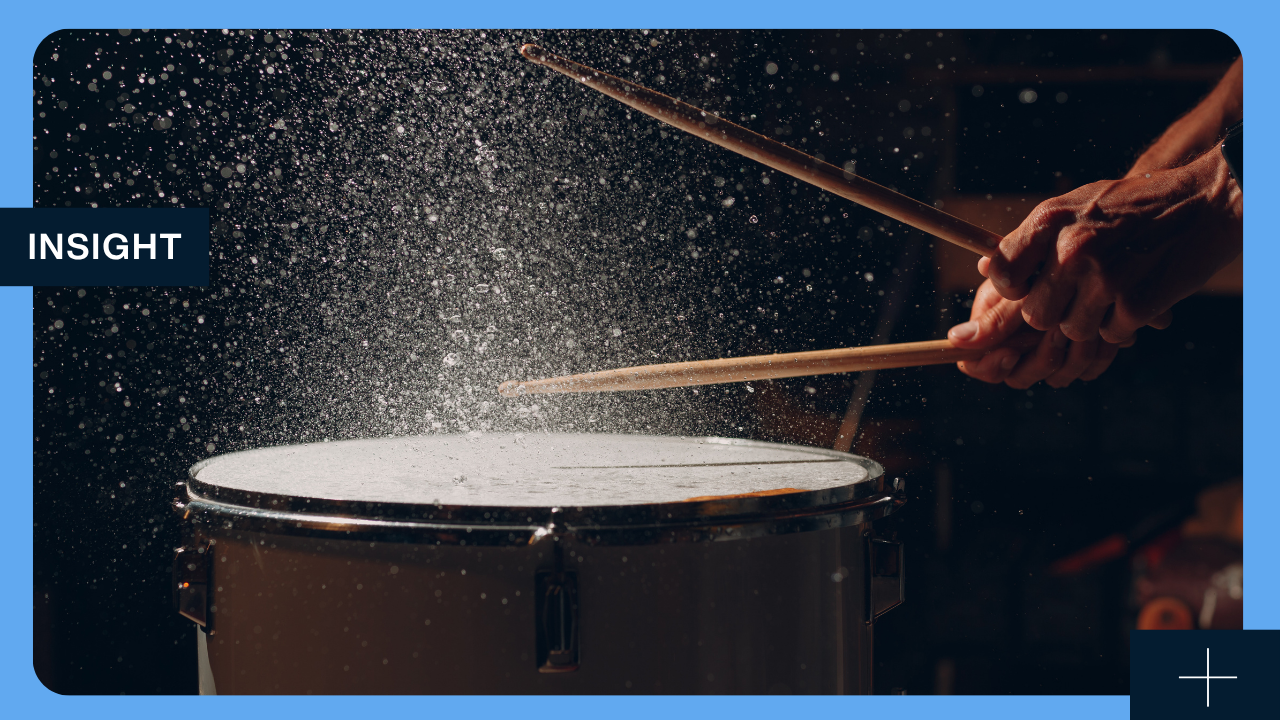
From silent-film trap drummers to massive hybrid trailer impacts, the cinematic drum hit has evolved alongside the technology used to create it. Here’s a look at how percussion became one of the most recognizable sounds in modern trailer production.

Why do some sounds feel cinematic while others feel sterile? Small imperfections can add physical detail, texture, and realism to music and sound design. Here’s how controlled imperfection can make audio feel more connected to the world on screen.

SOCAN is suing AI music company Suno in Canada, alleging the platform copied copyrighted songs without permission or compensation. The case adds to a growing number of legal challenges surrounding AI music, copyright and the use of protected works in AI training.

Sony Music has sued Kroger over at least 392 alleged unauthorized uses of its recordings in social media advertising. Here’s what the lawsuit says about music licensing, influencer content, expired licenses, and the $58.8 million figure circulating online.

Hyped to share that our sound design elements were featured in the campaign for Masters of the Universe!
Introducing The Foundry by Rareform Audio, our new line of professional instruments, sounds, and production tools for film composers and record producers. Built from the same sounds, techniques, and real-world experience behind our work across film, trailers, television, video games, and records.

New research from Hong Kong Baptist University suggests that adding 60 to 90 minutes of sleep each night may improve key musical skills, including rhythmic stability, sightreading, and musical memory.

Major record companies are calling for global music charts to establish clearer rules for AI-generated music, with proposed standards centered on human creativity, authorization and legitimate streaming activity.
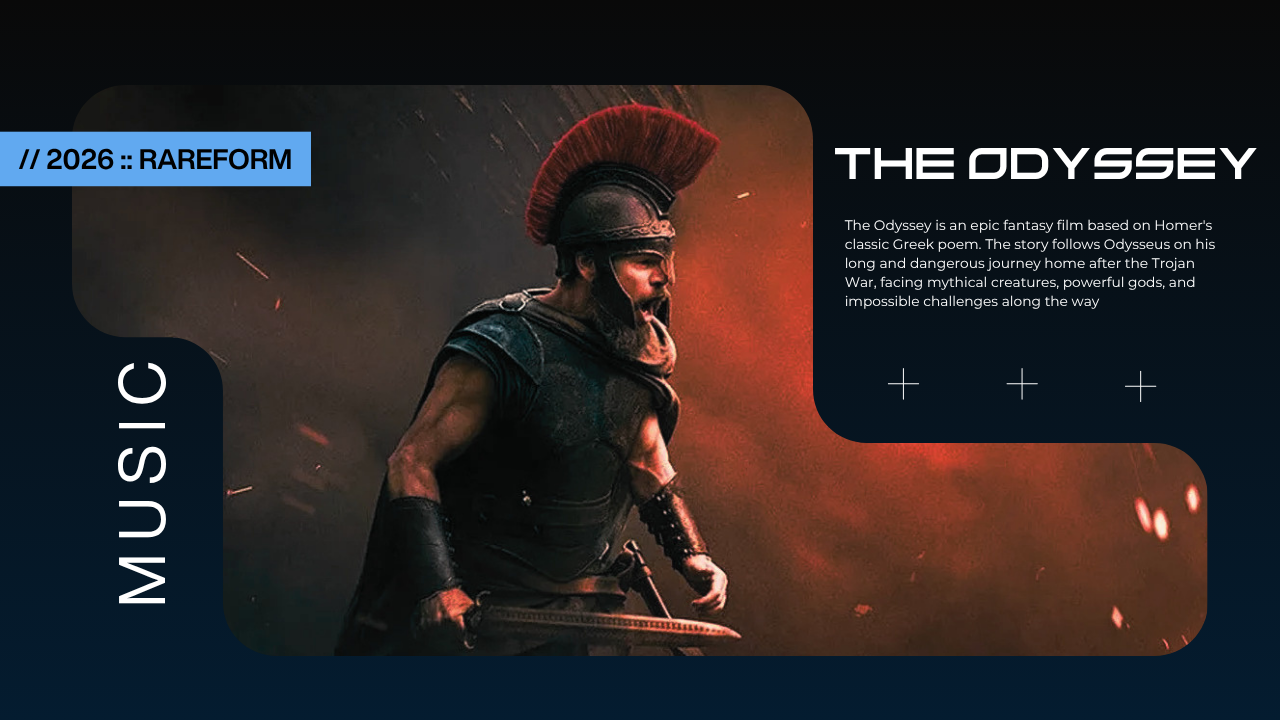
We are hyped to share that our track Ironwake by Trey Anderson and Nathan Fields was featured in the campaign for The Odyssey. Here's a quick look at the upcoming Christopher Nolan film and the legendary story that inspired it.

Lollapalooza 2026 is underway with sold-out crowds, a diverse lineup, and a renewed focus on artist discovery. As one of the world's biggest music festivals, the event continues to highlight how live performances help emerging artists reach new audiences while reinforcing the lasting impact of established acts.
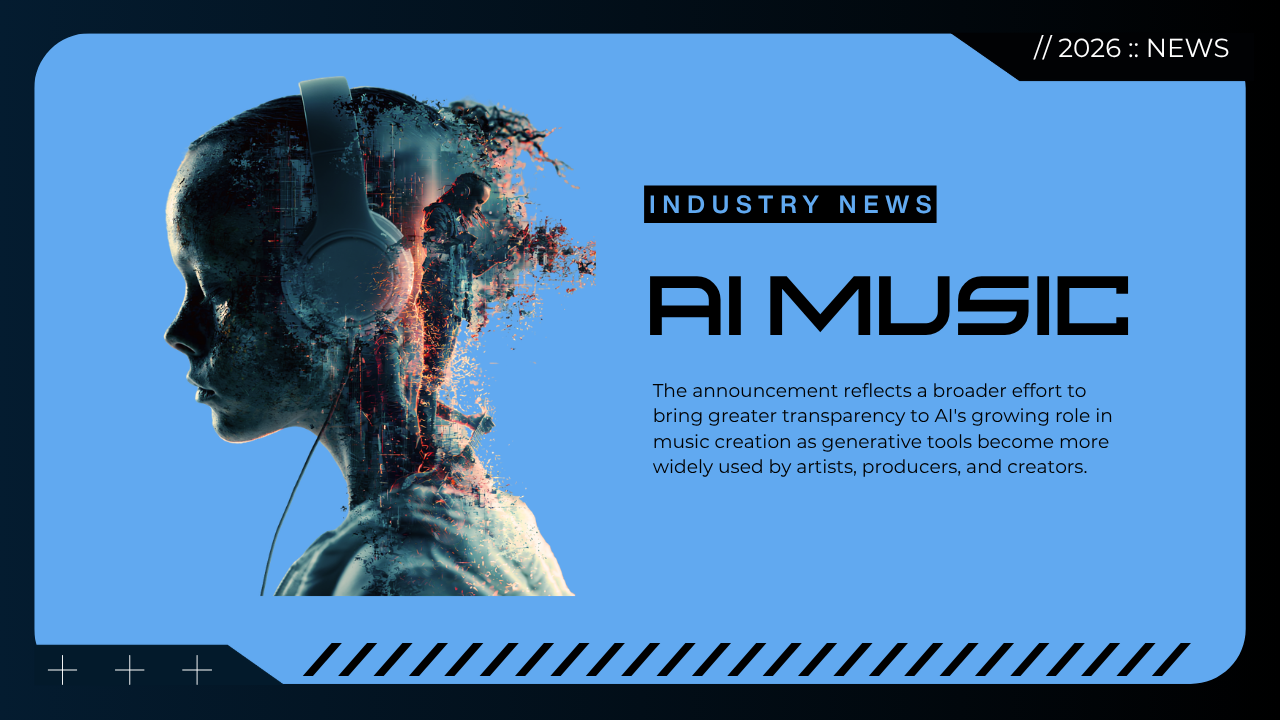
The recorded music industry has introduced a proposal for standardized AI labels on streaming platforms. As AI-generated music continues to grow, the framework aims to improve transparency by distinguishing between fully AI-generated and AI-assisted recordings while raising new questions about implementation and industry-wide adoption.

The 2026 FIFA World Cup is expanding the role of music with its first-ever halftime show, a global soundtrack strategy, and a partnership with the Recording Academy. As music becomes a bigger part of the tournament's identity, the event highlights the growing connection between the music industry and major international sports.

Our remix of KRS-One's Step Into A World, created by Haukur Karlsson and Nathan Fields, is featured in Trailer 2 for Mutiny. Take a look at the project and learn more about the upcoming action thriller starring Jason Statham.

Music therapy continues to gain recognition as research highlights its role in neurological rehabilitation. New clinical programs and emerging technology are expanding how music supports recovery, reinforcing its growing impact beyond the entertainment industry.

John Denver's "Take Me Home, Country Roads" has become the unofficial anthem of the U.S. men's national soccer team during the FIFA Club World Cup. Here's how the 1971 classic found new life and why legacy songs continue to resonate with audiences around the world.
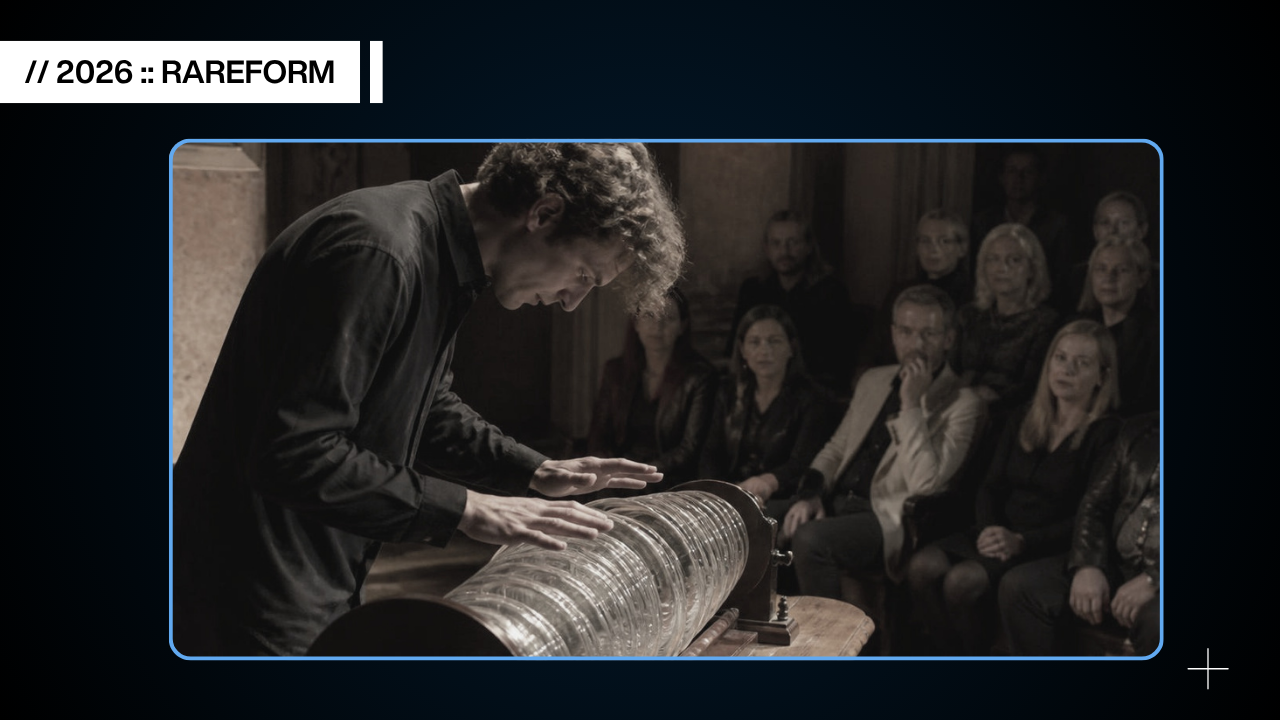
Benjamin Franklin's glass armonica earned a reputation as one of history's most mysterious musical instruments. From inspiring classical composers to fueling myths about its effects on the mind, its story reveals how unique sounds continue to shape music, perception, and creativity.

Hyped to share that our tracks “Bomb Squad” by Darby Phillips and Nathan Fields, along with “Ambush” by Nathan Fields, were featured in campaigns for Call of Duty: Black Ops 7. From Warzone to the Season 03 Multiplayer Maps campaign, both spots delivered the fast paced energy the franchise is known for.

AI-generated music is filling streaming platforms faster than ever, but new research suggests listeners aren't embracing it. A University of Chicago study found that while AI tracks now make up a significant share of new uploads, the vast majority receive little to no engagement. Here's what the data reveals about music discovery, streaming, and the future of AI in the music industry.

The proposed No Fakes Act has moved one step closer to becoming US law after unanimously passing the Senate Judiciary Committee. As AI-generated voices and digital replicas become more common, the legislation highlights the growing conversation around creator protection, consent, and the future of AI in music.

Warner Music Group is expanding its AI strategy with a new acquisition focused on attribution, transparency, and rights management. As AI-generated music and content continue to grow, the move highlights the increasing importance of tracking how creative works are used in AI training and generation across the music industry.

Hollywood Sound, At Your Command. Learn more about us. Rareform Audio · Rareform PM · Black Sheep Music · The Foundry

New research published in Psychology of Sport and Exercise suggests that fast-tempo music could help people exercise longer. Researchers found that participants listening to music between 120 and 140 BPM improved their endurance by up to 20%, adding new insight into music's growing role in fitness, wellness, and human performance.
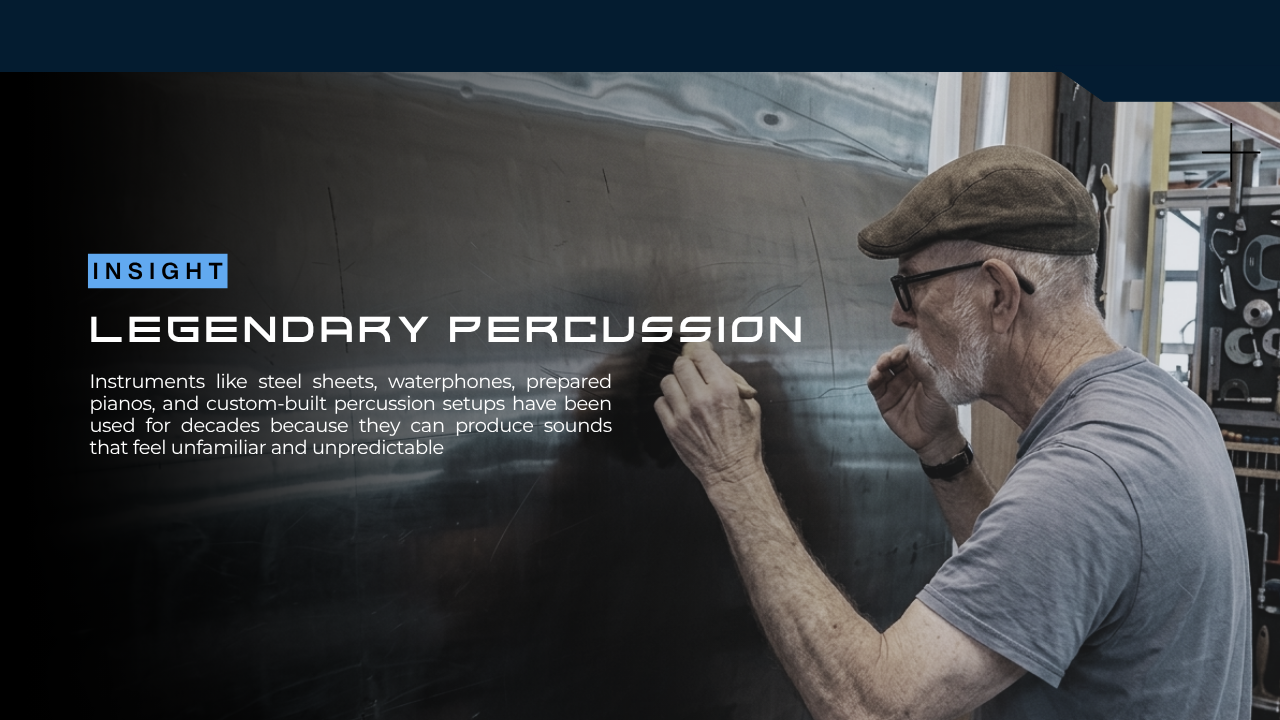
A simple sheet of metal may not seem like a groundbreaking production tool, but Steve Forman's legendary steel sheet helped shape the sound of countless film scores. This article explores how unconventional instruments like the steel sheet continue to influence modern music production, sound design, and cinematic storytelling.

Black Sheep Music’s “Divine Intervention” from the BSM74 - Other Worlds album was featured in the final trailer for Disclosure Day. Composed by Haukur Karlsson and Nathan Fields, the track blends cinematic tension and atmospheric sound design built for picture.

The 2026 Golden Trailer Awards winners are here, and we’re excited to share that several projects we contributed to were recognized this year, including Project Hail Mary, Weapons, Tron: Ares, Daredevil: Born Again, and more.

New research from Hong Kong Baptist University suggests that musicians who get an extra 60 to 90 minutes of sleep each night may see measurable improvements in rhythm, sightreading, memory, and focus. The study adds to the growing conversation around performance, recovery, and health in the music industry.

Spotify and Universal Music Group are introducing AI-powered remix and cover tools for Spotify Premium users, marking a major shift in how streaming platforms approach fan-created music. The new licensing agreement could reshape music rights, artist compensation, and AI integration across the industry.

New research from Australia and New Zealand shows that music licensing is evolving beyond legal compliance and becoming a visible marker of brand trust. As customer awareness grows, businesses are learning that licensed music can shape perception, strengthen credibility, and directly influence the in-store experience.

Golden Trailer Awards season is here, and we’re excited to see 29 nominated campaigns featuring contributions from Rareform Audio and Black Sheep Music. From custom trailer remixes to sound design, it’s great to see these projects recognized alongside the talented creative teams behind them.
In a music industry shaped by trends, algorithms, and endless content, standing out has never been harder. This insight explores why originality still matters, how chasing familiarity can dilute creative identity, and why the artists who last are often the ones willing to sound different.
 Rareform Audio
Rareform Audio, an innovative leader in music and audio post-production, specializes in custom music creation, sound design, sonic branding and a vast catalog of diverse genres. Our talented roster of artists, composers and sound designers elevate projects for film, TV, ads, trailers and video games by merging artistry with cutting-edge soundscapes.